


[ad_1]
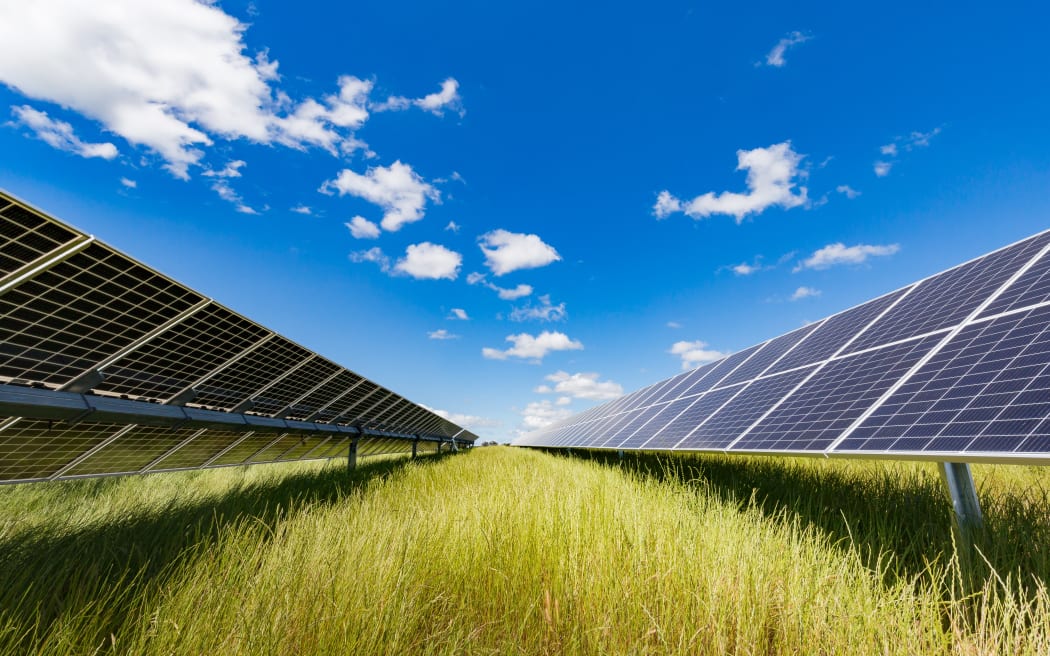
Solar panels are being built across New Zealand, but will more batteries be needed to store excess energy? File photo.
photo: Source: Genesis Energy
Renewable energy advocates say New Zealand could learn from the experience of Australia, where solar panels have been so popular they sometimes generate more electricity than people need.
One in three Australian homes has solar panels on their roofs, and in some states half of all homes have solar panels.
But only a small fraction have batteries that can store excess power when the sun is shining and release it when demand peaks.
As battery prices fall, New Zealand clean energy experts say solar and batteries could be installed simultaneously to ease pressure on the grid during peak hours.
Unlike New Zealand, which has an 85% renewable energy grid, Australia still gets 60% of its electricity from gas and coal.
But when it comes to building solar power, Australia is leading the way.
Matt Ward of New Zealand solar company solarZero said falling battery prices meant New Zealand could increase solar and battery penetration if there were better incentives to sell excess battery power to the grid – without subsidies.
Ward said this would take pressure off hydro, gas and coal-fired generation at a time of tight supply.
SolarZero installs batteries on its solar panels, typically under a subscription agreement where the company retains ownership of the panels and batteries in customers’ homes.
This allows the company to draw on its battery network when demand for electricity is high, providing more power to anyone connected to the main grid. The company said it makes sure its own customers have enough power first.
Last month, New Zealanders were warned that the country could run out of power as a cold snap hit, and the company mobilised its network of 15,000 batteries to provide power to the New Zealand grid.
However, Ward said solarZero is not currently being paid for sharing electricity.
Batteries are too expensive to make sense for many households, both here and in Australia.
Subscription services such as solarZero eliminate the upfront costs, but the result is that customers do not own the solar panels and batteries on their homes.
But Mike Casey from clean energy charity Rewiring Aotearoa said battery prices were falling rapidly and combined solar and battery systems were now the cheapest energy available to households – even including the upfront cost of buying the equipment.
He said the cost of buying a solar and battery system could be a barrier for many people, even though it is the cheapest way to get electricity based on a 15-year average.
If households had better access to low-cost loans, they could buy their own home batteries and use their own electricity to take pressure off generators when there is a power shortage, Casey said. They could also sell excess power to others, taking pressure off the grid when supply is tight.
In Australia, some states have begun installing large batteries — big enough to power an entire neighborhood — to store excess solar energy from the grid when the sun is shining and release it when needed, as part of the country’s plan to reduce burning of gas and coal.
New Zealand’s first grid-scale battery began operating this year near the Waikato’s Huntly Power Station, and electricity retailer Meridian is building another near a planned solar farm in Northland.
[ad_2]
Source link

