

[ad_1]
Maurice Konate, President of the Special Delegation for the City of Ouagadougou, launched the “Food Dialogue” and “Multi-stakeholder Dialogue” of the city of Ouagadougou at the City Hall on Tuesday, July 16, 2024. These dialogues, which will take place from July 16 to 19, 2024, aim to strengthen inclusive governance of formal and informal urban food systems in the city of Ouagadougou.
The city of Ouagadougou is in full expansion and will reach a population of 3,204,000 people by 2023, with an annual growth rate of 4.84%, according to the United Nations 2023 data. This rapid growth poses major challenges in terms of urban food management, occupational health, green space and food price stability in the face of a global crisis.
To address this food security challenge, the NGOs RIKOLTO and Inades-Formation have set up the AfriFOODlinks project since December 2022.
Funded by the World Bank, the research and innovation project aims to improve food and nutrition security in 15 African and five European cities. It promotes a circular approach to urban food systems, encourages inclusive and multi-stakeholder governance, and stimulates the creation of innovative agri-food enterprises led by women and young people.
AfriFOODlinks organizes food and multi-stakeholder dialogues in the food system in the city of Ouagadougou in order to achieve food security. 96 hours of panel discussions, multi-stakeholder discussions and local food celebrations will be organized.
“This seminar is essential to guide us in building a healthy food supply system to guarantee our people access to quality products,” said Maurice Konate, head of the special delegation to the city of Ouagadougou.
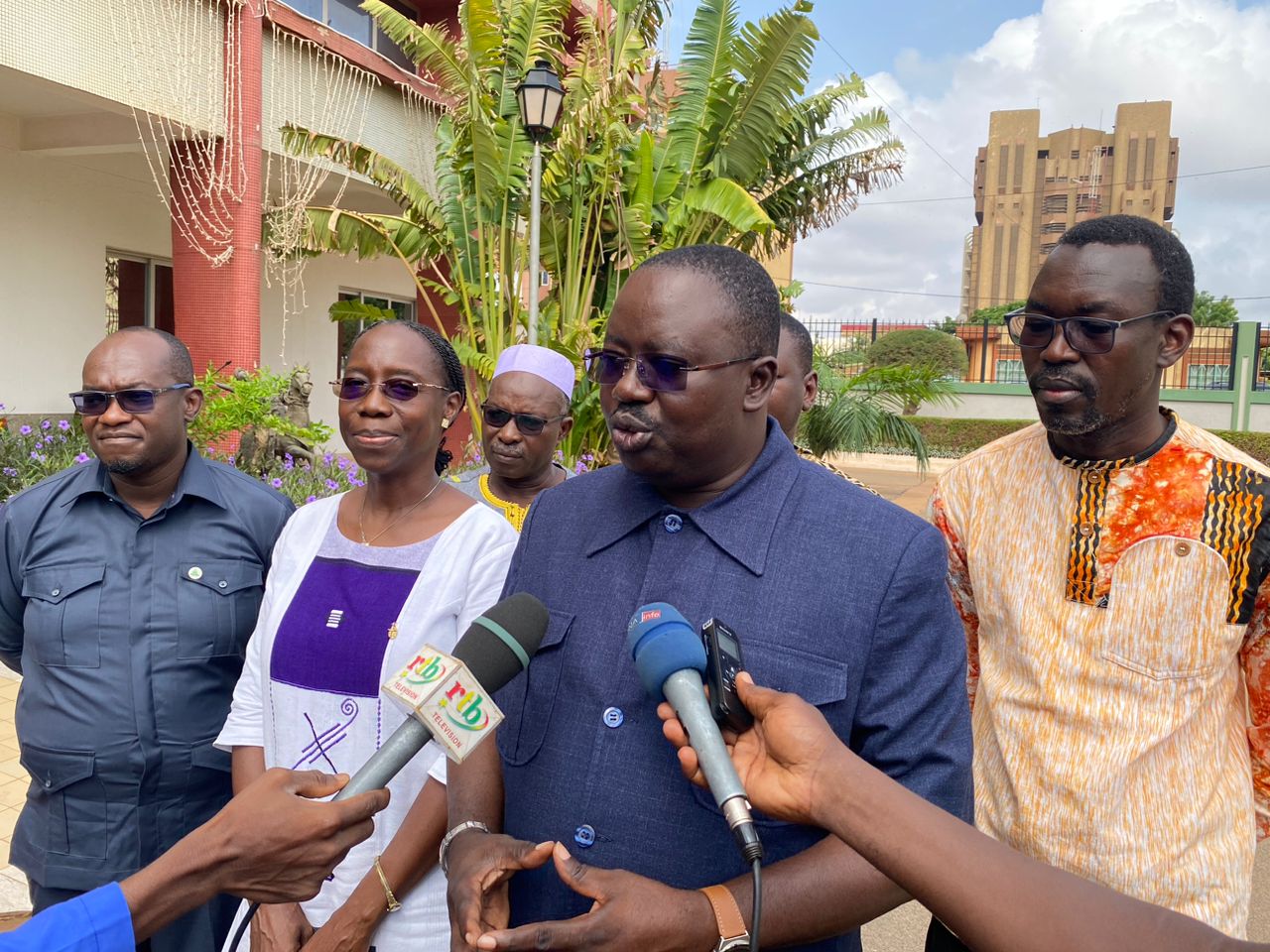
The Chairman of the Special Delegation of the City of Ouagadougou said that this seminar is of vital importance for the city of Ouagadougou as it will allow experts to reflect and propose directions on the system to be adopted so that the population has access to a healthy food supply system, which is essential for the smooth running of the event.
“We have just officially launched the work of the workshop focused on the governance of the food system in the city of Ouagadougou. A healthy population depends in part on the food system that provides it. (…) The urban crops that we are launching today must be well monitored so that our people can have products that meet standards. At the end of the work, the communities of Ouagadougou must commit to follow the instructions given to us so that we can provide healthy food to our people,” declared the President of the Special Delegation for the City of Ouagadougou.
“The first two days will be dedicated to the groups, while the last two days will be dedicated to developing healthy eating strategies,” said Isidore Della, director of Inades-Formation
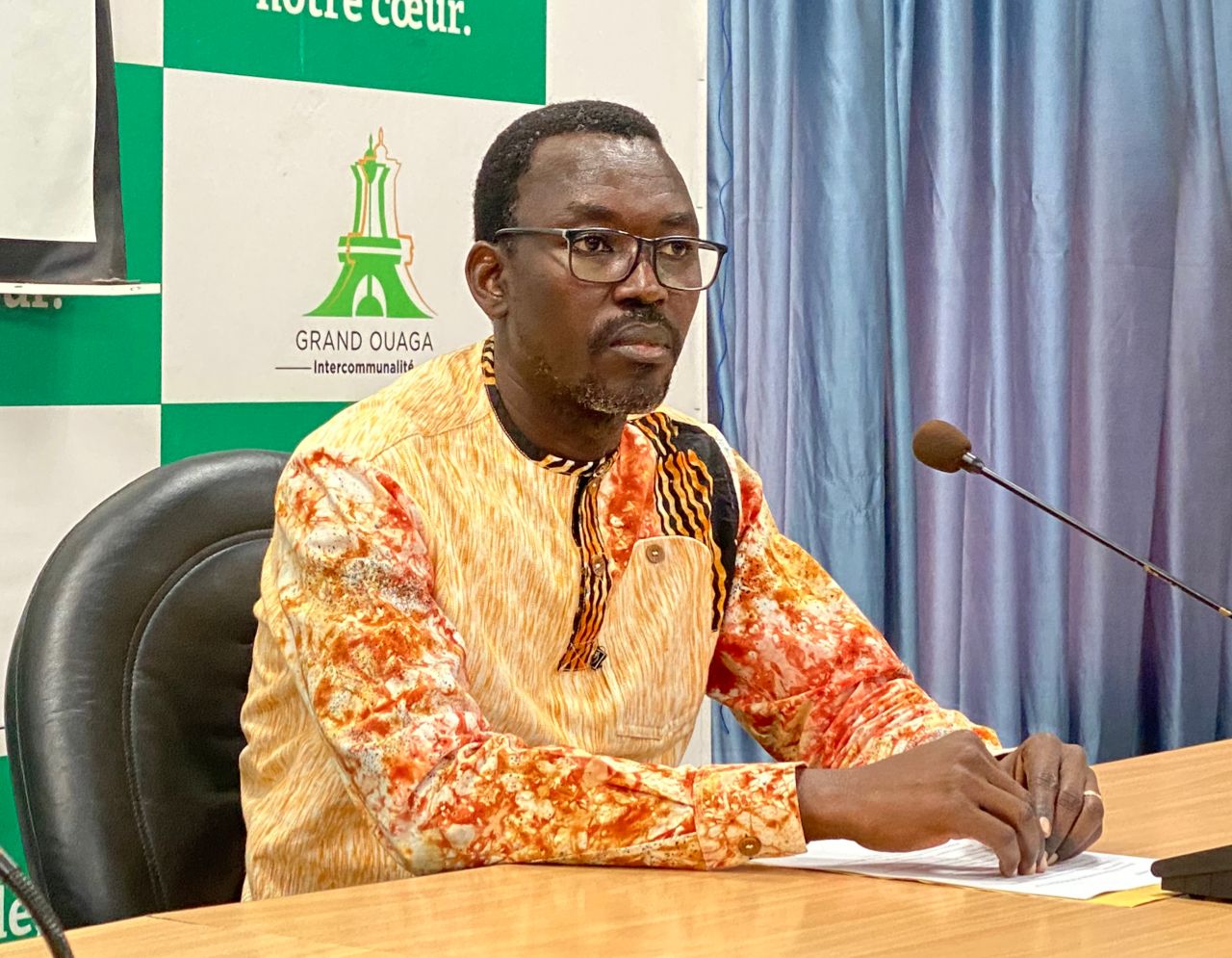
“During these four days of the workshop, we will first have group discussions focusing on a certain number of themes. We will start by discussing together food governance in the city of Ouagadougou; discussing healthy eating in the city of Ouagadougou, touching on everything related to quality and human health. Then we will discuss the issues of managing market infrastructure, infrastructure related to the food system. Finally, we will also invite the agri-food sector and actors involved in the food supply of the city of Ouagadougou, so that we can discuss their successes and difficulties and find solutions together,” detailed Isidore Della, director of Inades-Formation.
Bernadette Ouattara, Country Representative of the NGO RIKOLTO, stressed the importance of this project coordinated by RIKOLTO, concerning the city of Ouagadougou in Burkina Faso.
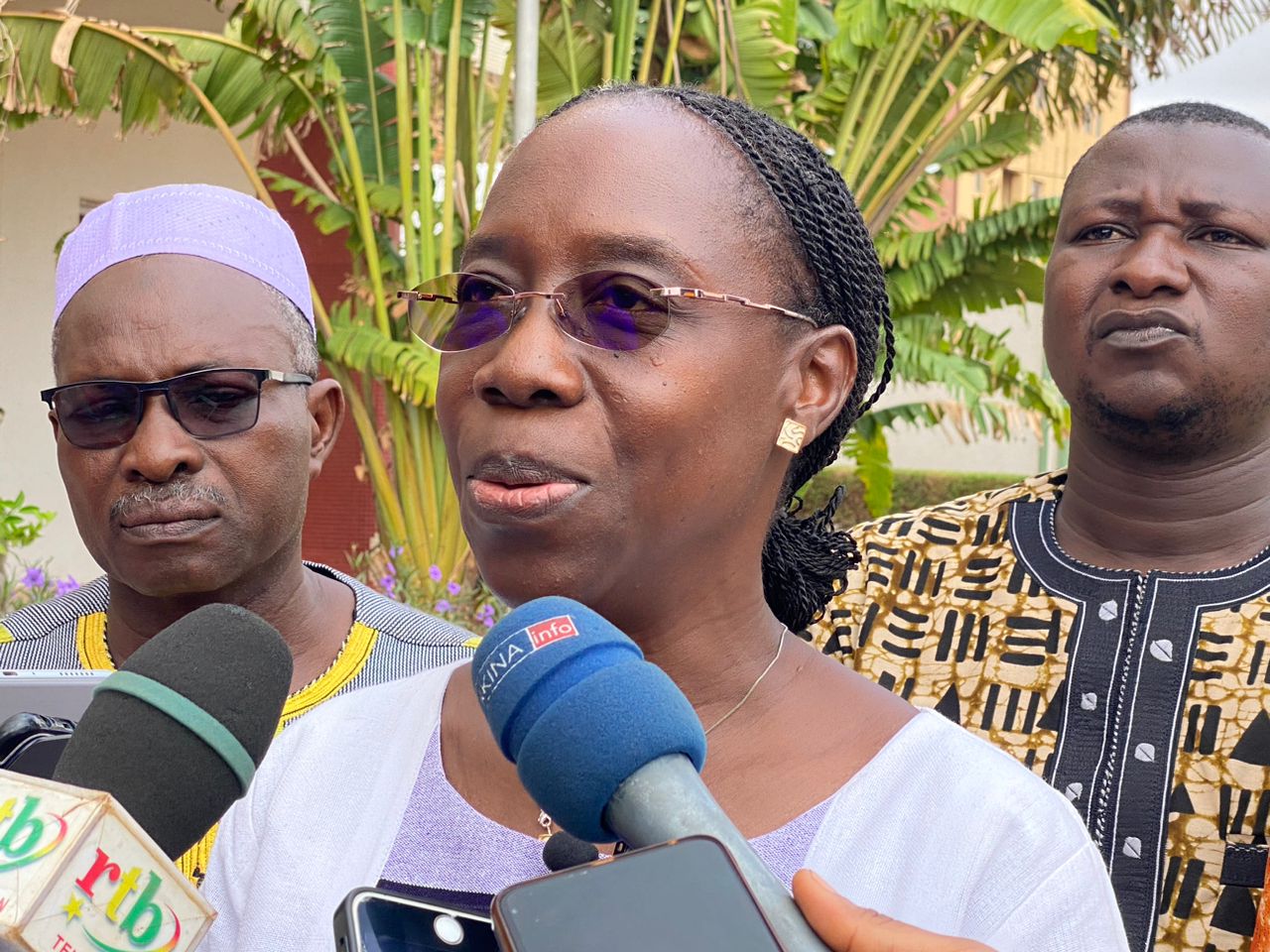
“We will support the facilitation of a multi-party process to allow all parties to express their views on how to address outstanding issues,” she said.
“We will promote a multi-party process where everyone can express their ideas and find solutions to the issues raised”, Bernadette Ouattara, RIKOLTO Country Representative
Expected outcomes of these discussions include increased stakeholder awareness of the importance of healthy and sustainable food systems, promotion of local products and responsible consumption, and increased stakeholder commitment to inclusive and sustainable governance of urban food systems.
Hanifa Koussoube
Lefaso.com
[ad_2]
Source link

