


[ad_1]
Faisal Aidi, head of the Aidi Foundation, which operates the country’s largest ambulance service, said their vehicles had taken dozens of bodies to morgues earlier this week. People died because they could not withstand the heatwave, the BBC reported.
Normally, Karachi city mortuary receives 30 to 40 bodies a day. But in the past six days, the number has risen to 568, with 141 arriving on Tuesday alone. F. Edhi also pointed out that “most of them come from poor areas of the city.”
The foundation’s three morgues in Karachi hold a total of 264 bodies. All are full.
“We were forced to put three bodies on a shelf. We also had to hastily bury 22 unclaimed bodies to make room. All morgues in the city are facing a shortage of space, even those close to mosques and mourning halls,” said F. Ehdi.
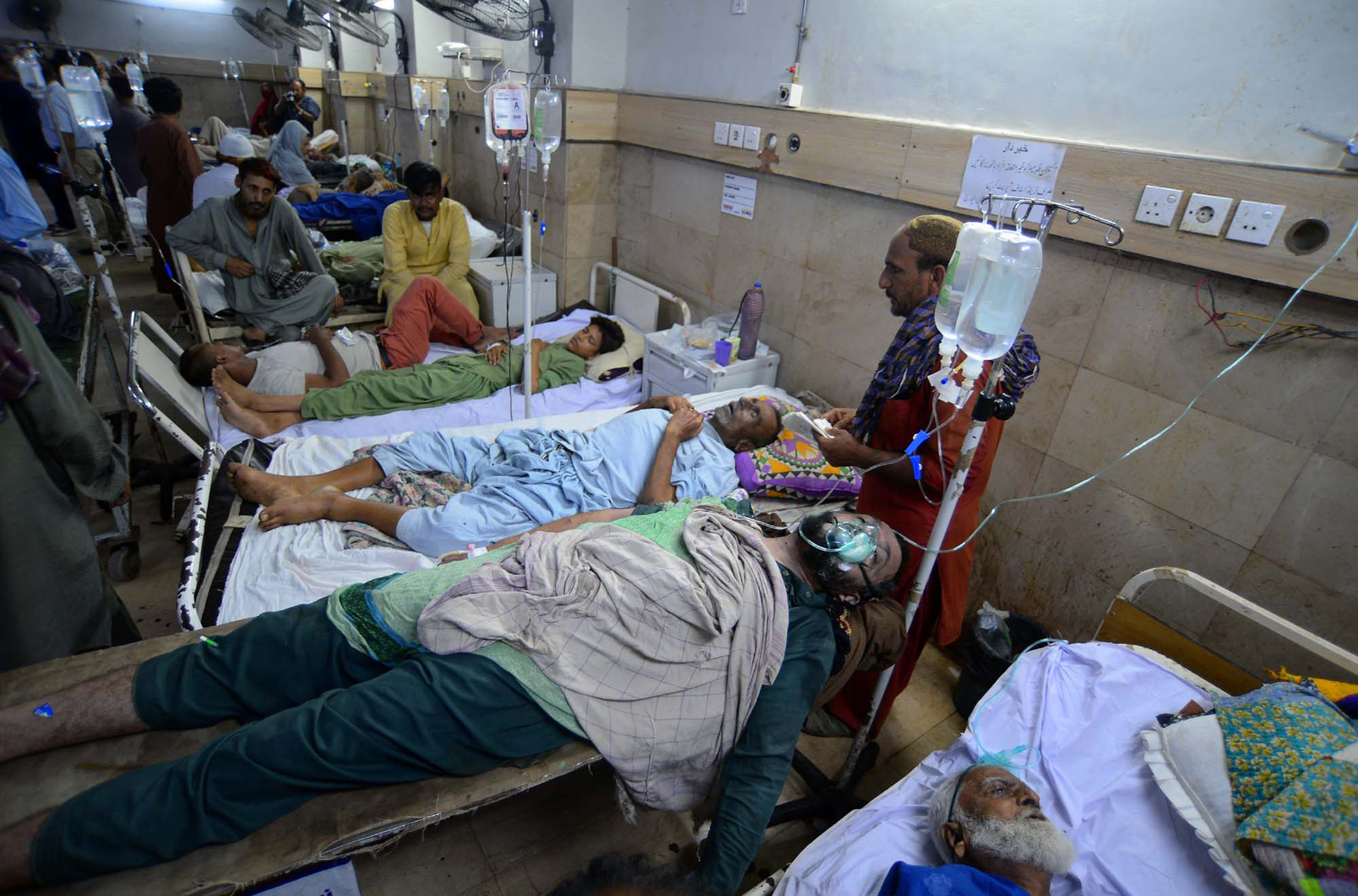
ZUMAPRESS / Scanpix Photo / High temperatures in Pakistan
It is not clear whether all of them died of heat stroke, but high temperatures were undoubtedly one of the causes of death.
Imran Sarwar Sheikh, director of the emergency department at Karachi Civil Hospital, told The Associated Press that 267 people sought treatment for heat stroke between Sunday and Wednesday, and 12 of them later died.
“Most of the people coming into the hospital are in their 60s and 70s. But some are in their 40s and even some in their 20s,” he told the BBC. – Many of the people we help work in the field. We advise them to drink as much water as possible and wear light clothing, which is crucial in such high temperatures.”
Symptoms of heat stroke include vomiting, diarrhea and high fever.
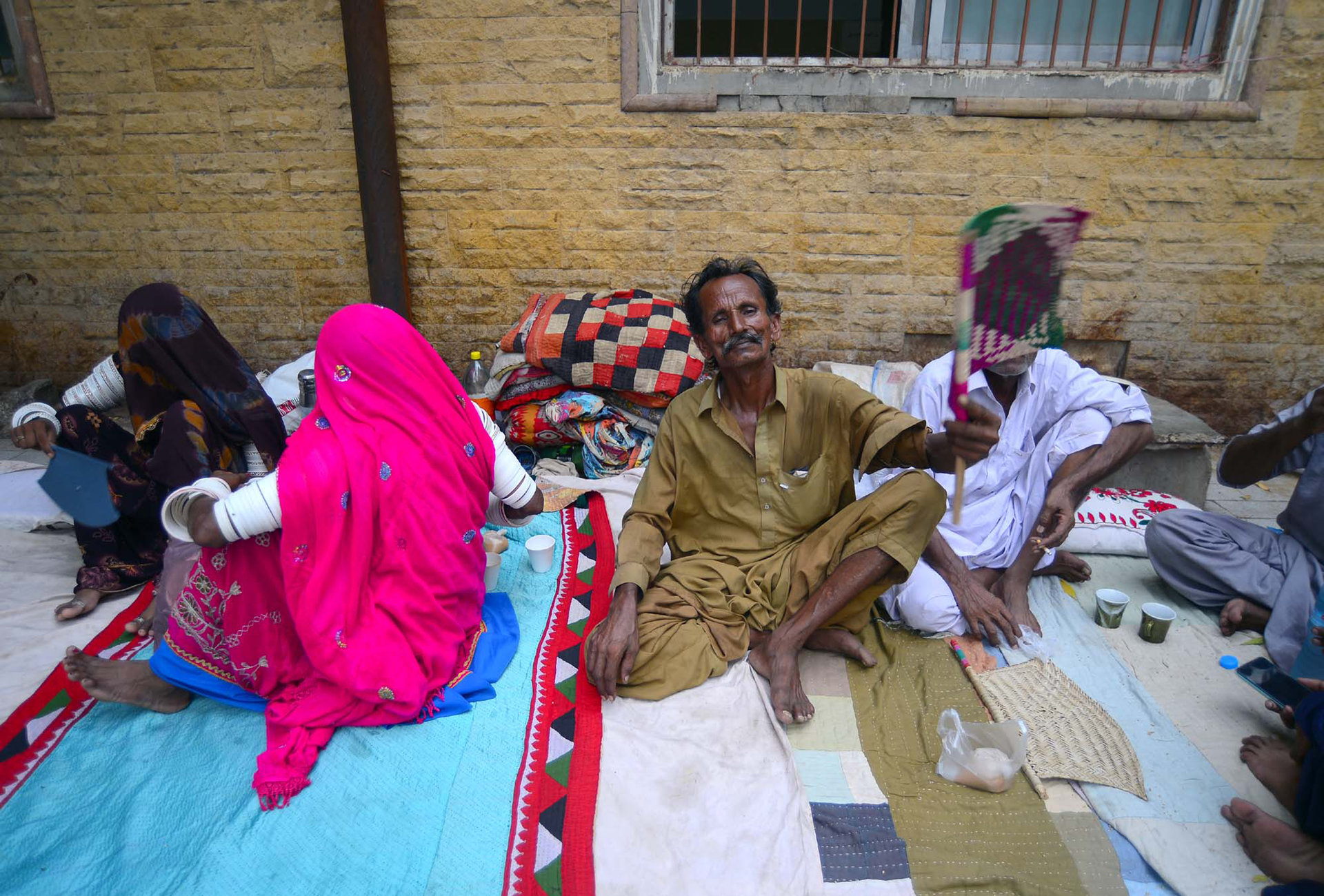
ZUMAPRESS / Scanpix Photo / High temperatures in Pakistan
A heat wave hit Pakistan over the weekend, with authorities opening special centers to try to help people affected by the heat.
Unfortunately, not everyone who needs help gets it in time.
For example, Wasim Zafar, a 56-year-old security guard, collapsed after returning home after working a 12-hour night shift.
By the time Wasim’s family rushed him to hospital, it was too late. Doctors said he was dead, most likely from a heart attack.
Power outages in Karachi made the situation worse, leaving air conditioners and fans, the only options to beat the heat, unusable.
Mohammad Amin, 40, was among those affected by the temporary blackout, which is common in Pakistan as authorities try to regulate power shortages.
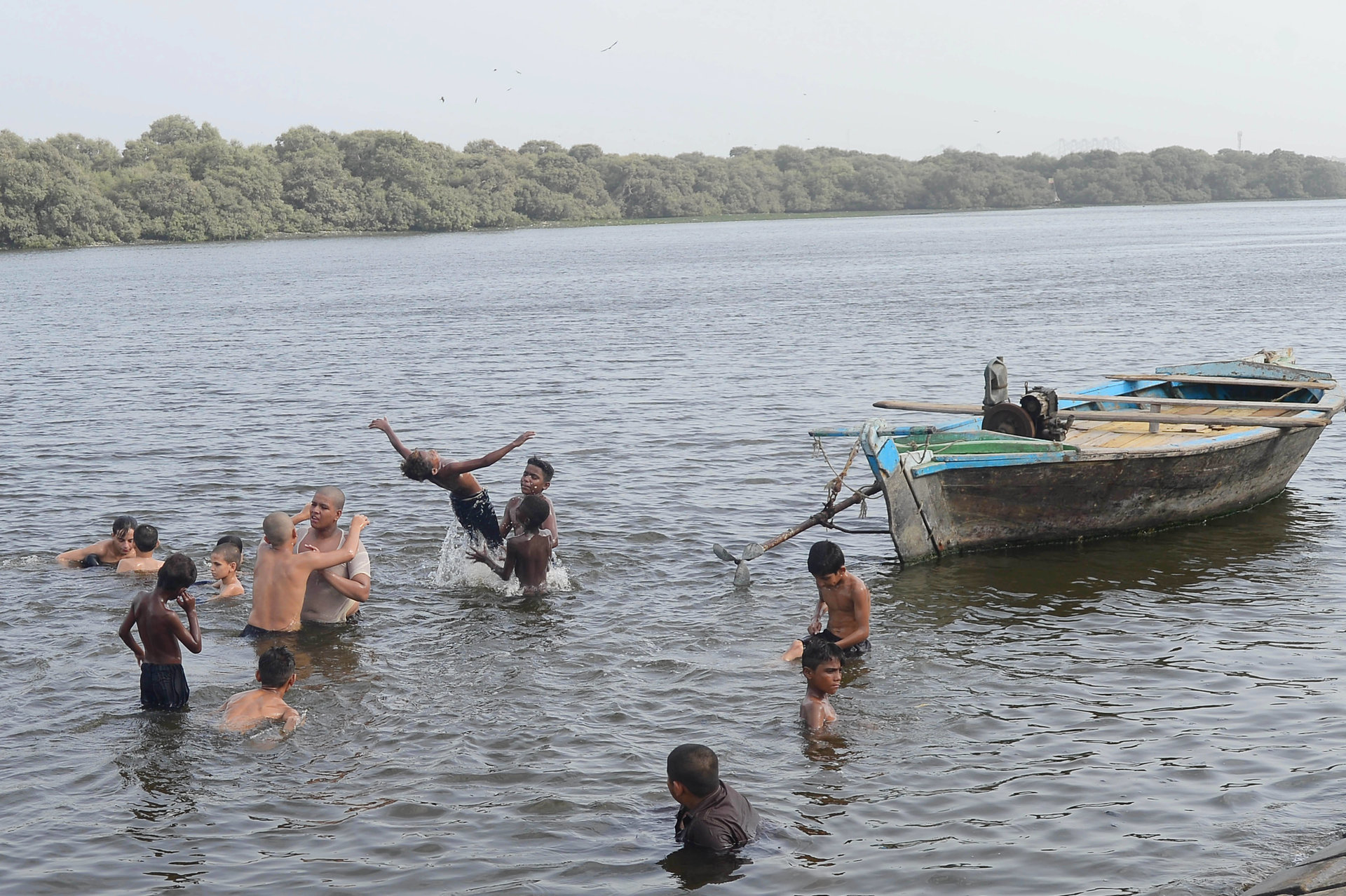
Scanpix/SIPA Photo/High temperatures in Pakistan
A relative of Mohammed said that the electricity supply to their apartment was often cut off. According to him, Mohammed suddenly fell ill and died soon after. The cause of death has not yet been officially determined, but the family suspects that the heat killed him.
Emergency doctors found 29 bodies on the street, Dawn reported. Dr. Sumayya Sayeed said many of them may have been abusing drugs.
“There were no signs of injuries on their bodies. But their appearance and the fact that the ambulance driver saw their bodies on the sidewalk and the roadside suggested that they might have been drug users,” she explained, adding that authorities began considering heat stroke as a possible cause of death.
She said only those who could not be identified were sent to the morgue for legal formalities, which include an autopsy to determine the exact cause of death.
Meteorologists said the heatwave in Karachi will continue till next week, although slightly cooler temperatures are expected.
This is not the first heat wave Pakistan has experienced this year. Last month, Sindh province, with the capital Karachi, recorded a near-record temperature of 52.2°C, according to Reuters.
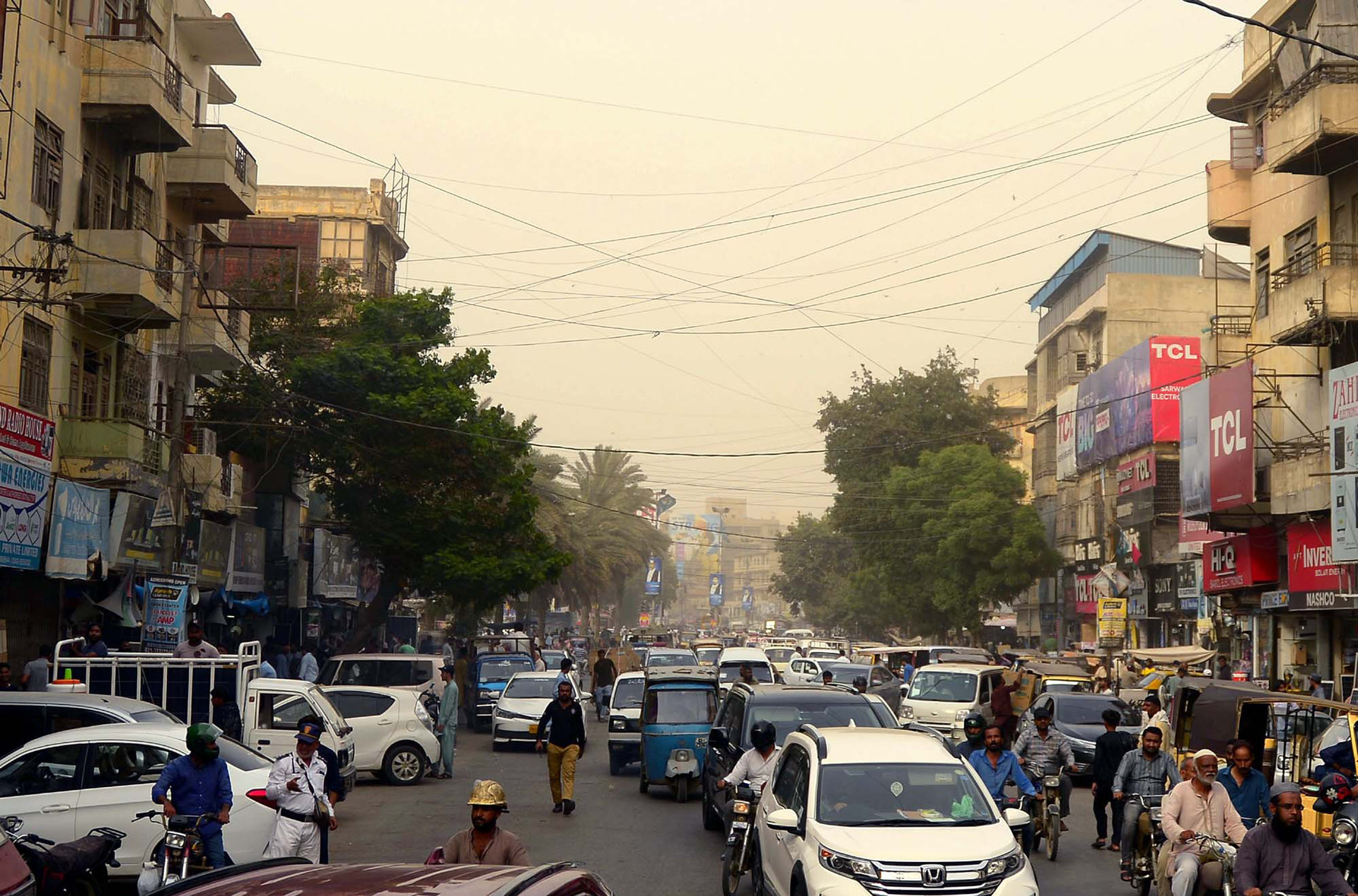
ZUMAPRESS / Scanpix Photo / High temperatures in Pakistan
Pakistan’s closest neighbors are also suffering from heat waves. For example, the Indian capital of Delhi is experiencing an unprecedented long heat wave. Since May, daytime temperatures have exceeded 40°C, sometimes even close to 50°C.
Experts agree that such extreme weather events are becoming more frequent and intense due to climate change.
In addition, meteorologists say the monsoon season will start earlier than usual this year and rainfall will be one and a half times higher.
Pakistan’s National Disaster Management Authority said this year’s monsoon will begin in July and could cause floods that could affect 200,000 people.
But officials said this year’s rainfall would not be as heavy as in 2022, when devastating floods killed 1,739 people and destroyed 2 million homes. At one point, nearly a third of the country was flooded, causing more than $30 billion in damages.
Pakistani authorities say that although the country is responsible for less than 1% of the world’s carbon dioxide emissions, it is the country most affected by climate disasters.
Heatwaves have a direct negative impact on agriculture by destroying crops and reducing yields. However, high temperatures also have indirect impacts on other sectors, such as education: schools in some areas have had to close due to heatwaves.
[ad_2]
Source link

