


[ad_1]
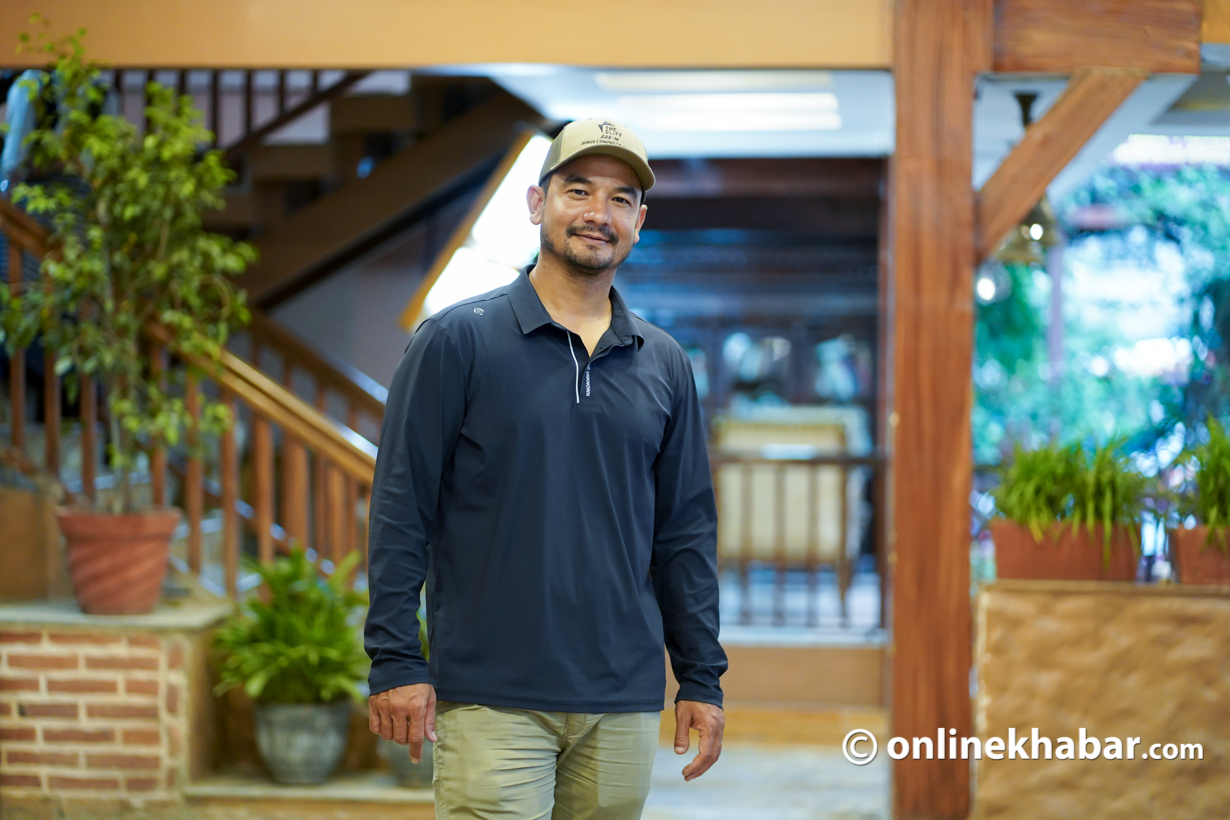
July 27, Kathmandu. The Sunkosi flows past his house in Sindhupalchok Khadichaur. My childhood was spent on those golden shores. He fell asleep listening to the river’s melodious lullaby, but he learned to make life vibrant by watching the flow of the river and struggle by watching the struggle. And, till now, he is on the river bank.
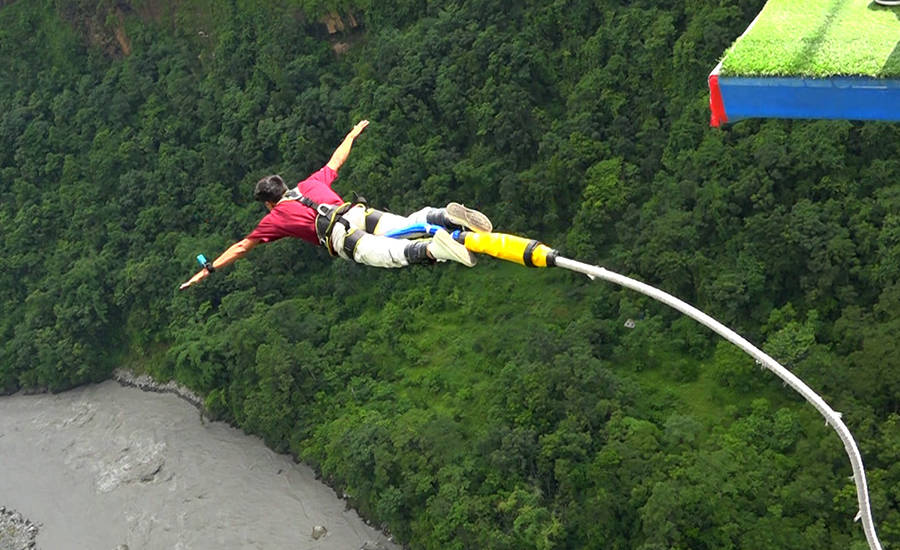
But this is not the case with Sunkosi, Kaligandaki is far from home. By doing the world’s second highest “bungee jump” at Parbat Kushma City 5, Raju Karki made Nepal known to the world not only for this mountain.
It is no exaggeration to say that Raju’s bungee jumping has now become such a “world-class brand” and has become a favorite destination for adventure tourists from all over the world over the years.
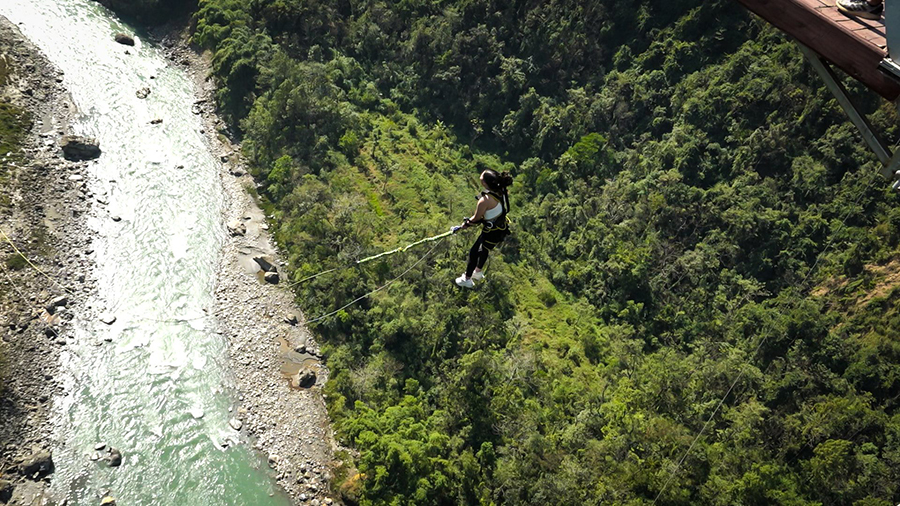
Raju’s bungee jump is built on the Kaligandaki River and is 520 meters long and 228 meters high. The “cliff” that Raju built four years ago on the top of Kaligandaki Mountain and connected it to Baglong Mountain has gradually become the “cornerstone” of Kushma’s adventure tourism destination.
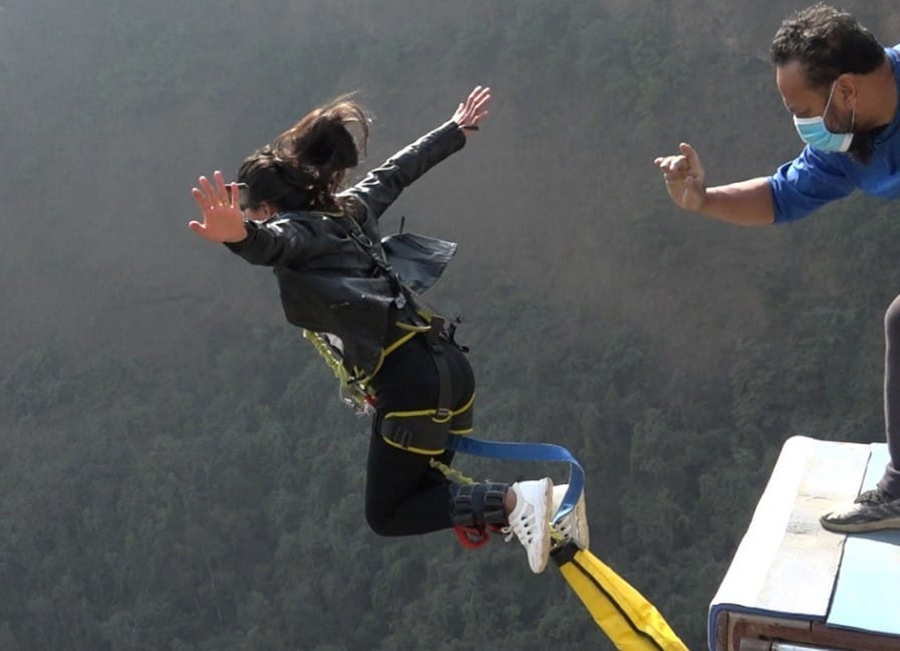
Nowadays, whether locals or foreigners, most people’s plan when they arrive in Pokhara is to bungee jump off the cliff.
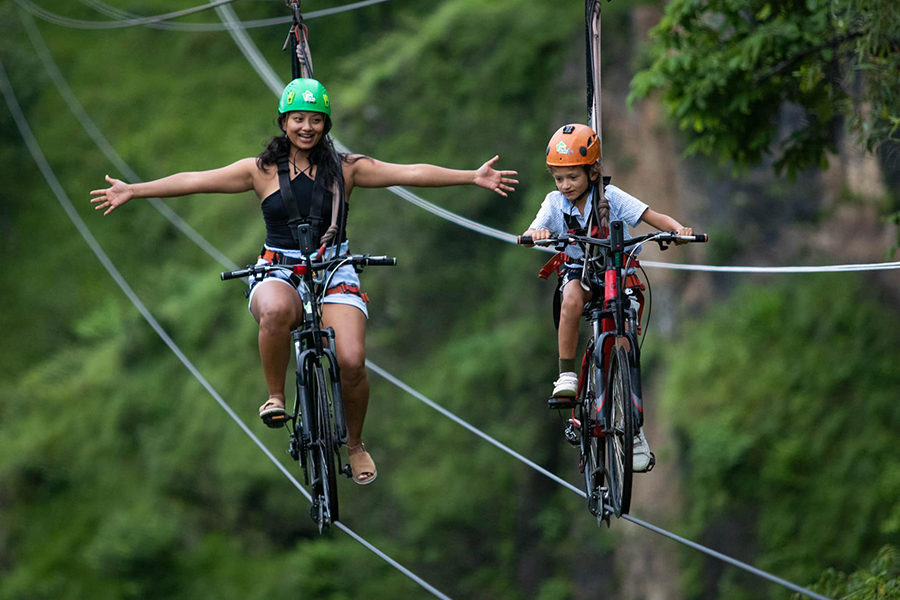
The Cliff, which started out as a bungee jump, has now grown into not only the world’s highest swing, the world’s second highest bungee jump, the world’s highest and longest sky bike, the world’s highest sky cafe, but also a resort, Nepal’s first sky surfing, sky cheerleading, crazy bridge, climbing wall, etc.
With the expansion of The Cliff Adventures, the initial investment was Rs. 150 million and the current investment has exceeded Rs. 600 million. Currently, 107 people have been directly employed.
Raju came to Kaligandaki from Sunkosi with an “ambitious” dream of starting a new business, a dream he is pursuing through The Cliff, which he runs there.
Raju added new activities every year, depending on the interests and choices of tourists. Later, our plans and ambitions gradually grew. At the same time, investments also began to increase. It was supposed to be done by bungee jumping, and only half of the bridge would be retained, but later, work taught me the job. Others also started adding activities. Investments also increased.
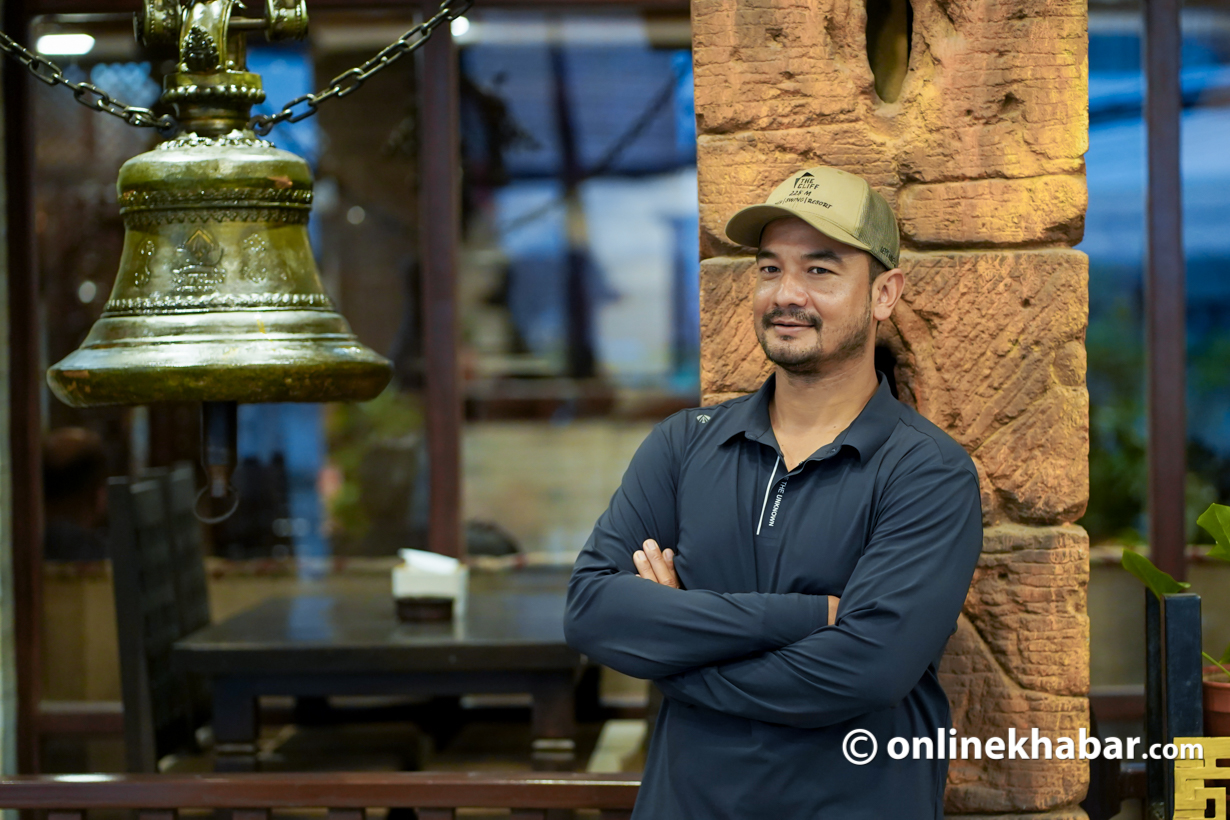
The Cliff, which runs adventure activities in Kushma, can become a school for young people who can make a difference in their country. The bridge built by The Cliff connects the two districts (Parvat and Baglung) separated by Kaligandaki and has been developing since Mustang, connecting not only geography but also those interested in adventure tourism.
Kushma Municipality No. 5 Chairman Ramhari Sharma said Kushma played an important role in becoming a “hub” for adventure tourism when young people from Sintumalchowk came to the hills to invest. The huge investment by the Karki Group has greatly helped the “brand building” of Kushma as a whole.
“They come and invest so much. It will take a few years to recoup this investment. This infrastructure is for Kushma,” said Sharma, chairman of the district where The Cliff is located. “When they come here to invest, we have no losses, only profits. As soon as you say Bunji, you say Kushma; once you say Kushma, you say bungee jumping.”
This is also the same mountain that is forced to sit and watch tourists do the Pokhara-Mustang. Although it is very close to Pokhara and on the way to Mustang, the mountain itself is dry from the perspective of tourists. The now introduced Kushma is also being developed as an “adventure tourism destination”.
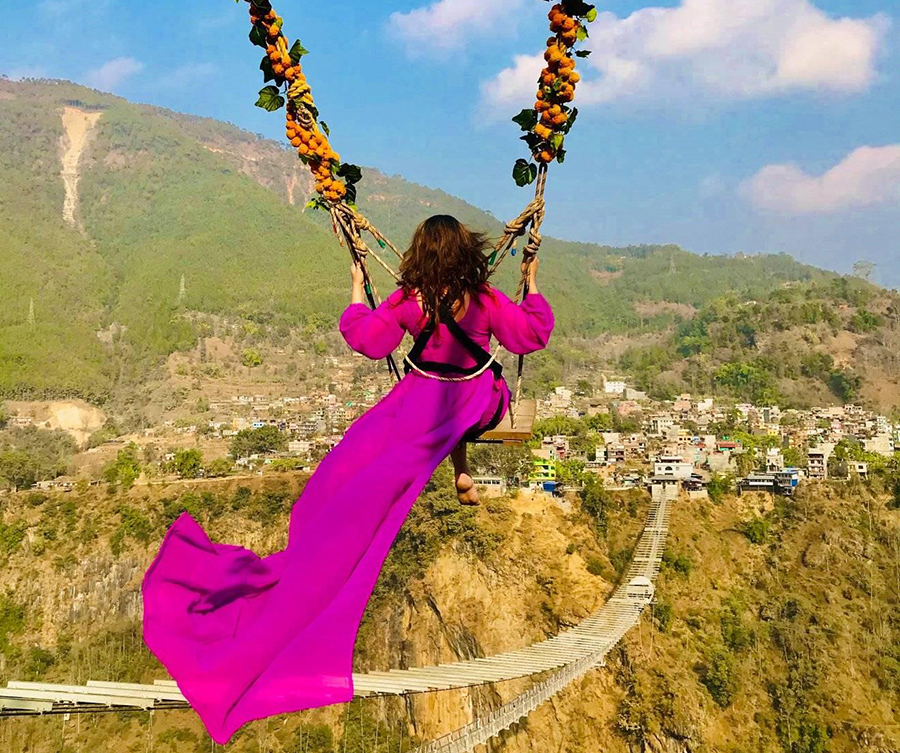
Parbat and Baglung are the only districts where many tourists from Pokhara and surrounding areas come to visit the suspension bridge. This district, 57 km from Pokhara, has not been able to benefit from tourism before.
However, Raju’s investment in adventure tourism, including bungee jumping, has boosted the number of tourists, said Ward president Sharma. “Earlier, people used to come and go. But now after Bunji opened here, the market has started to function. The activity has increased a lot,” he added.
Within four years of opening, bungee jumping over Kaligandaki has become so popular that even now, The Cliff does not have to take a break due to the ‘off-season.’ There is a situation where one has to wait three or four days to bungee jump from the heights overlooking Machhapuchhre, Dhaulagiri and Muni Kaligandaki.
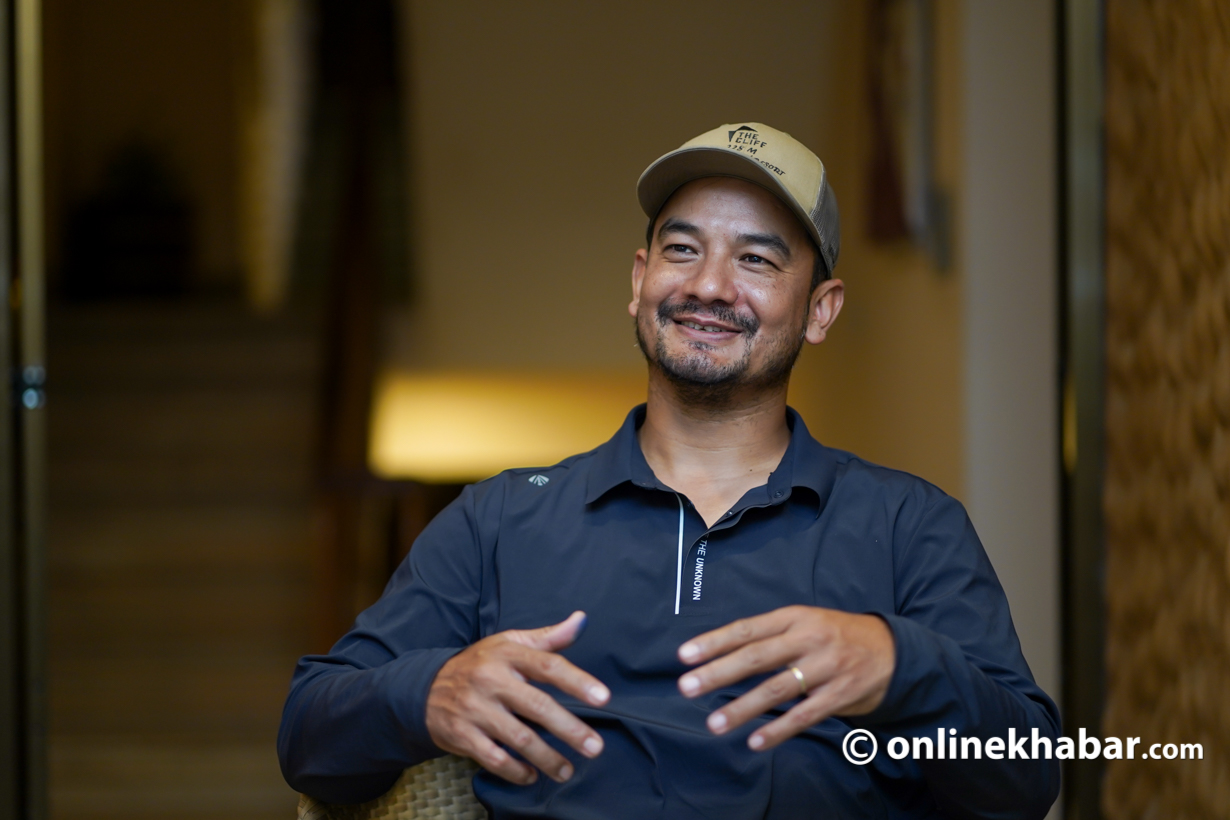
“From Sunkosi to Kali Gandaki”
While swimming along the golden waves and diving into the depths, Raju fell in love with nature. Later, foreigners opened a bungee jumping complex called “The Last Resort” in nearby Botkosi and started working there.
Raju first joined The Last Resort Bungee Jump as a “trainee” and was later hired there. He worked as a bungee jumping instructor there for seven years. At that time, some young people from the mountains came to Botkosi for the first time and told them that bungee jumping was also possible here.
At that time, some of Parbat’s friends also came to lobby. We are also building a long bridge here, and we can do something new. You asked to come and see it,” Raju said nostalgically, “I don’t know why there is no bungee jumping. Because this is a public bridge.
A few years later, Raju moved to Europe in search of more opportunities. This was in 2011. However, even after reaching the Eiffel Tower in France, his satisfaction did not rise. He remained stuck in Sankosi, Wattkosi.
Coincidentally, he met European friends who had worked with him at a bungee resort in Botkosi. “I joined them and said I would do research for a year,” Raju said. “I studied what they were doing in terms of adventure and new technology.”
He said that after seeing the projects they were doing in different places, he thought it could be done in Nepal as well.
“After seeing the interest of visitors in the work they were doing, there was a jelly-like feeling that things there should be like this. At the time, he used to think that he could do something new in his position,” he said.
After seeing the work, nature and technology in cooperation with foreigners, Raju returned to Nepal within three years. After coming to Nepal in 2014, he went to Kushma again in the same year. He has not forgotten that the young people from Galata Parbat came to work in the last resort and said: “We have a similar place here too”.
The government has already built a bridge there, connecting Baglung to Parbat. Many public places abroad are also used for commercial purposes according to the law. Raju traveled from Sunakosi to Kaligandaki in search of opportunities and thought, “I will run a bungee jumping business even on a public bridge so that others will not be affected.” Sarkar also makes money, and I also make money.
However, Raju’s idea was wrong. After two years of procrastination. Sometimes, sometimes, sometimes, Hatu was surprised. They were not discouraged because they felt that they had put their hands in a useless field because they were doing nothing. However, he did not give up. This confidence became a strong support for success.
Raju said, “I came there (Kushma) and saw that I was running the business in a new way in Europe, Japan and other places without any disruption in the public space, but maybe my vision was new or the approach didn’t match and it didn’t work. The Cliff, as it is today, was born out of that pain.
For two years, Hend tried to build his own bridge by buying land in Kushma and Balewa. “Instead, I would have opened it with my own investment. Two years have been wasted. I will not waste it now,” he said. “I will have other partners no matter how much it costs. However, I decided to do it on my own. From then on, the mentality changed.
Raju said that after the opening of The Cliff, Kushma began to attract attention at the national and international levels. There was a time when the long bridge in Kushma was crowded with people, but due to the lack of quality services, tourists often returned to Pokhara without staying there.
“Pokhara is very much in bloom, Mustang is so much so. However, Kushma, which is in the middle, is lagging behind. “I just went to see that the new bridge has been built,” Raju said, “but now, because of the cliff, I think we have been able to develop the Kushma Adventure Centre.”
Activist RK Adipta Giri, who manages Kushma’s Shatabdi Ghar (heritage home) and the ‘Kaligandaki Conservation Movement’, also said Kalki has made Kushma a destination for adventure tourism again.
Despite the dozens of possibilities, Kushma was somewhat overshadowed. However, tourism in Kushma slowed down after Vengi’s arrival but is now booming,” Giri said. “Tourism in Kushma has grown. This is a great achievement for us.”
Giri believes that as the number of tourists to the cliffs increases, there is also an opportunity to promote the many tourist destinations in the shady Dhaulagiri region. However, he said individual efforts should be supported by local and state governments.
 Video: Shankar Giri and Aryan Dhimal, Photos: The Cliff
[ad_2]
Source link

