


[ad_1]
The situation with Nord Stream 2 is heating up. The closer US President Biden’s trip to Europe is, the closer the end is. How will the saga of Russia’s “construction of the century” end? It is considered an energy “stick” for Europe and a “funeral march” for Ukraine’s gas transit status.
Putin’s Nord Stream 2 project is now nearing completion. While the United States and Europe had previously seemed to be hindering the project’s progress, imposing sanctions and making high-profile statements, now hopes that the Russian pipeline would never get off the ground are fading. First, this is due to the illogical developments that have emerged around the project.
The United States first announced that it would lift further sanctions against the gas pipeline, as it made no sense – the construction of the pipeline was almost complete. The statement by Secretary of State Antony Blinken, who said the US move was in the national interest, was particularly striking. As they say, it’s just business, nothing personal…
Washington does not hide that now it is more important for them to establish cooperative relations with the EU, which were destroyed by Joe Biden’s predecessor, Donald Trump. Germany occupies an important position in this friendly process, and its big businesses insist that the Russian projects are economically viable. After all, billions of dollars have been invested. Who will allow them to be “buried” under the Baltic Sea? Moreover, if the pipeline is put into operation, the future of Berlin looks quite attractive – Germany will gain the status of a major European gas hub. But …
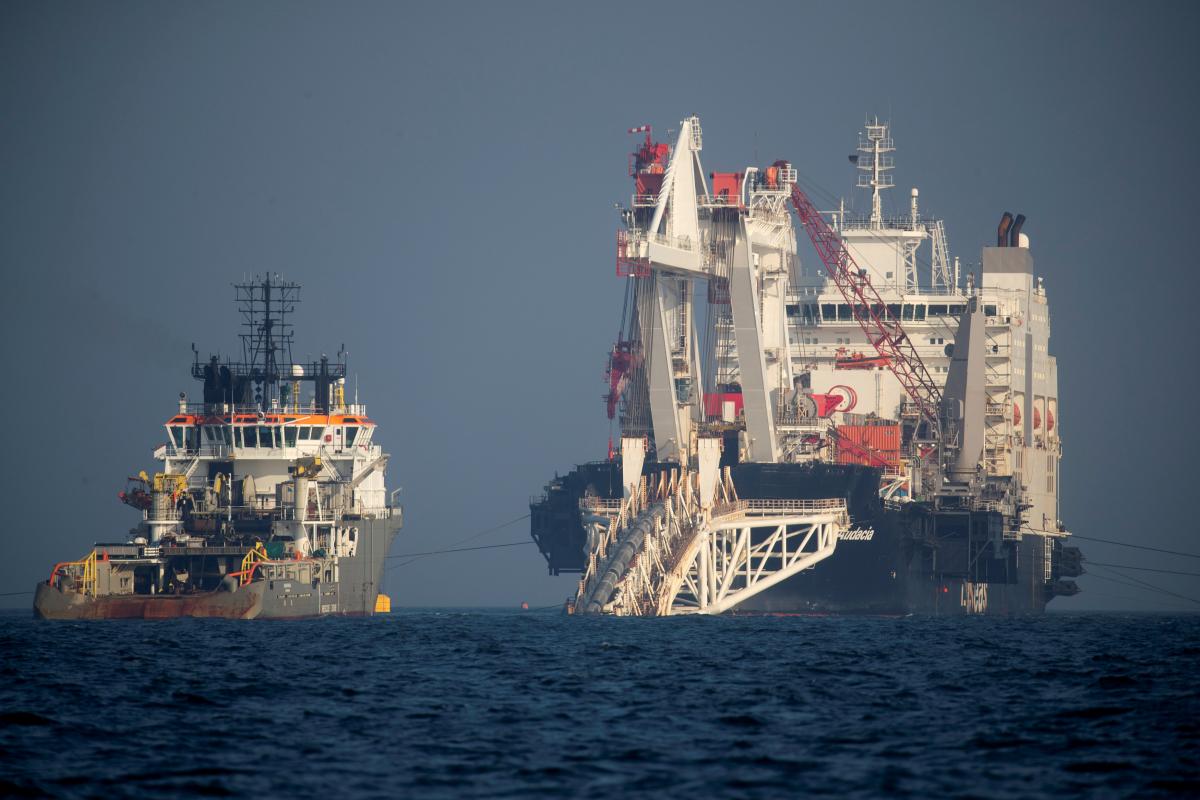
Reuters
On the eve of Biden’s first official visit to Europe, Blinken said the exact opposite – the decision to abandon new sanctions on Nord Stream 2 could be revised at any time. Blinken pointed out that the United States is currently actively negotiating with Germany to reduce the negative impact of the opening of the Nord Stream 2 pipeline, including on Ukraine.
“We want to ensure that Europe takes the necessary measures to protect, mitigate and deal with any adverse consequences that may arise from the passage of gas through this pipeline,” he said.
The United States is also working with Germany to ensure that “Ukraine is compensated” for transit fee losses and that “Russia cannot use natural gas as a means of pressure on Ukraine or other countries.”
In any case, once the NATO and G7 summits are held and EU leaders sit down with Biden, the situation will become clearer. The US president and others will meet with the protagonist of the “gas” incident, German Chancellor Angela Merkel. Then, there will be negotiations with Russian President Vladimir Putin. We can only hope that the Ukraine issue will feature prominently in these negotiations.
To this day, our country has not fallen behind. A Naftogaz delegation, led by CEO Yuri Vitrenko, flew to Washington, having previously strengthened their negotiating team. So far, nothing has come from them.
Ukrainian Foreign Minister Dmytro Kuleba also visited Germany. He said that the negotiations on the Nord Stream 2 project were “difficult.” He assured German Foreign Minister Heiko Maas that Ukraine had never doubted Germany’s true intentions in supporting Ukraine.
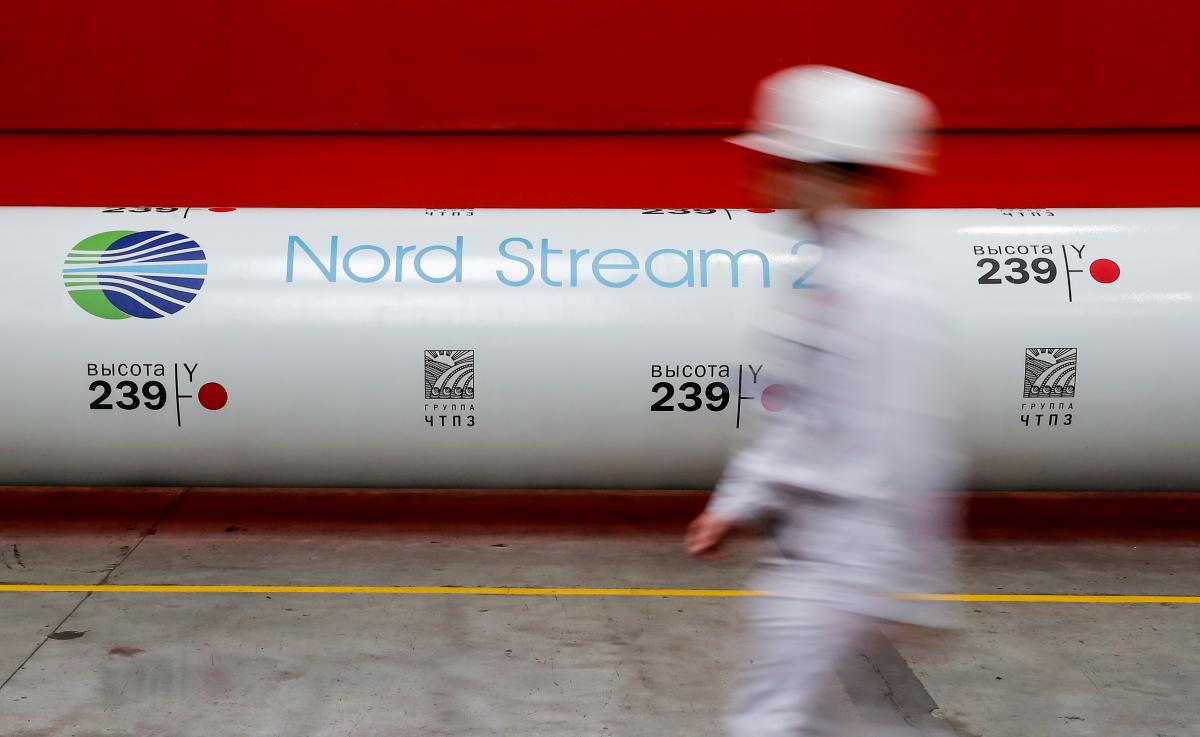
Reuters
“We know that Germany is willing to provide guarantees, and we believe in them. But we have doubts whether Russia will be a party to them, so we need a lot of substantive and detailed negotiations,” Kuleba said.
But there is little time to do anything “substantial.” The gas contract with Gazprom expires in early 2024.
Maas assured that Germany has warned the Kremlin that the completion of the Nord Stream 2 pipeline is closely linked to the continued flow of Russian gas through Ukrainian territory. Germany “will continue to make this clear to the Russian side at all levels.” In other words, this is just a “dialogue”, nothing more.
At the same time, Ukraine announced plans to “correct” the situation. The first of these plans is to create an international consortium on the basis of the country’s GTS, which, according to the Ukrainian Ministry of Energy, will exert the necessary pressure on Russia to maintain gas transit through Ukraine.
In fact, judging by historical practice, this is an absolutely disastrous idea… For three decades after Ukraine’s independence, the question of forming an international consortium involving Ukrainian gas pipelines has been raised. But to this day, such a thing has not happened. If this process dragged down the traditional boom times of Ukrainian gas pipelines in the past, then today, when times are tough, this issue will not be solved.
As for the “gas” compensation, this is a more realistic option. First of all, it is necessary to raise at the EU level the issue of the EU’s non-compliance with the Association Agreement with Ukraine, which provides for the parties to give priority to the use of Ukraine’s energy infrastructure.
Moreover, Western partners need documentary proof of their support for Ukraine – a document, signature and seal. Russia cannot participate in this – it has long been opposed to international agreements. Although now they guarantee that they will not stop gas transportation through Ukrainian territory under the existing contract. But what about later?
By the way, let’s talk about this contract. The contract was signed by Gazprom and Ukrainian oil and gas company at the end of December 2019. It is valid until 2024, with the possibility of extension until 2034. According to the agreement, the total volume of gas delivered in five years should reach 225 billion cubic meters. At the same time, the plan for 2020 is 65 billion cubic meters, and each of the following years (2021-2024) is 40 billion cubic meters.
The question is, did the Ukrainian side, which signed the contract, not understand that this is an open display of Russia’s true intentions – to completely abandon gas transit through Ukraine starting in 2024? If transit volumes are reduced by a third, while European consumption only increases, is it not clear that the Kremlin is not betting on Ukrainian pipelines? Moscow openly declares: “Nord Stream 2” will start operating at full capacity by then. Apparently, Naftogaz praised the huge victory in the Stockholm arbitration so much that their management did not think twice. The Russian compensation of $3 billion played a decisive role in this matter. While the management shared the victory bonus, Russia was busy advancing their Nord Stream 2 project.
How will the whole thing play out? Will Ukraine lose its gas transit status? Will a document on compensation for losses be drawn up? What will this document look like? As we watch the movements of the EU and the US, we will soon see some clues about possible answers to all these questions.
Nana Jonaya
[ad_2]
Source link

