


[ad_1]
Cambodian brick factories are using waste from at least 19 international brands, including Adidas and Walmart, as fuel for their kilns, leaving some workers sick, according to a report released Monday by a local rights group.
The report by the Cambodian League for the Promotion and Protection of Human Rights, known by its French acronym LICADHO, is based on visits to 21 brick factories in the Cambodian capital Phnom Penh and neighboring Kandal province between April and September this year, as well as interviews with current and former workers.
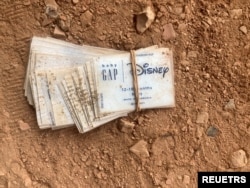
The investigation found that seven factories were burning the brands’ pre-consumer clothing waste, including fabric, plastic, rubber and other materials, which the investigation said was being done to save on fuel costs.
“Several workers reported that burning clothing waste caused them headaches and breathing problems; another worker reported that burning clothing waste made her feel particularly ill during her pregnancy,” the report said.
Several brands, including Primark and Lidl, said they were investigating the matter.
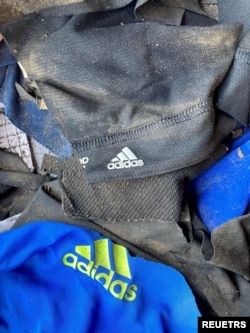
Burning clothing waste can release substances that are toxic to humans if burning conditions are not managed well, and the ashes can also contain high levels of pollutants, according to a 2020 internal study by the United Nations Development Programme, which measured emissions from burning clothing waste in Cambodian garment factories and was seen by Reuters.
The report said those toxic substances included dioxins, which can cause cancer. The UN Development Program did not respond to a request for comment on the report.
Another report published in 2018 by academics at Royal Holloway, University of London, said clothing fragments often contain toxic chemicals, including chlorine bleach, formaldehyde and ammonia, as well as heavy metals, polyvinyl chloride and resins used in the dyeing and printing processes.
The UK reports that brick factory workers frequently suffer from migraines, nosebleeds and other illnesses.
Brands mentioned in the LICADHO report are: Adidas, C&A, LPP’s Cropp and Sinsay, Disney, Gap, Old Navy, Athleta, Karbon, Kiabi, Lululemon Athletica, Lidl Stiftung & Co’s Lupilu, Walmart’s No Boundaries, Primark, Reebok, Sweaty Betty, Tilley Endurables, Under Armour and Venus Fashion.
Adidas, which has 16 factories in Cambodia, said it had launched an investigation to find out whether waste was diverted from authorized processing routes to brick kilns.
Adidas Cambodia’s environmental policy states that waste generated by all apparel suppliers must be processed and either sent to fully regulated approved waste-to-energy plants with air quality controls or to government-licensed recycling centres.
Lidl said it took the situation reported by LICADHO very seriously and had begun an investigation but was unable to provide any further information.
LPP said it was not aware that its textile waste was being burned into brick kilns and has contacted its agents who placed orders in Cambodia. LPP said it plans to hold an awareness day for its agents and factories in Cambodia in early 2024, focusing on waste management.
Primark, which sources its raw materials from 20 factories in Cambodia, said it was investigating the matter. Sweaty Betty did not comment on the specific findings but said the company worked closely with suppliers to ensure full compliance with its environmental code of conduct.
C&A said it complies with local laws and regulations and monitors its suppliers through third-party assessments and follow-up visits by local employees. The company said it would immediately investigate any violations.
Tilley Endurables said it was “very concerned” about the findings and would only work with factories that passed audits.
Tilly said the factory that produced its products had been audited by the World Accreditation for Responsible Production (WRAP) and committed to ensuring proper waste disposal in accordance with local laws and internationally recognized standards. Tilly said that upon further investigation, it was found that the factory used a waste removal company authorized by the Cambodian Ministry of Environment and had no visibility into where the waste went after it was collected.
Other brands did not immediately respond to Reuters’ requests for comment. WRAP, Cambodia’s environment ministry and waste collection company Sarom Trading Co. Ltd did not respond to requests for comment.
[ad_2]
Source link

