

[ad_1]
The commission will investigate illegal encroachments in the Tambi wetlands in Cape Point and Jashwan, encroachments in government-designated layouts and national reserves, and former President Jammeh’s land in Manduwar, Jamber, Kasakunda, Brufut-Madiana villages, etc. Both the United Nations and the Economic Community of West African States have warned that failure to address the country’s land issues could lead to adverse consequences in the future.
The Government Layout and Reserved Land Committee members include: Chairperson Kebba Njie; Office of the Inspector General of Police (IGP); Office of the Attorney General; Directors of the Office of the State Intelligence Service (SIS); Jainaba Nyang, Madi Fafa Ceesay and Kemo Conteh, while the Tambi Wetland Committee members include: Chairperson and Director of the Office of the SIS, Bai Mass Taal; Office of the Attorney General, Office of the IGP, Bolong Sonko and Pa Ousman Jarju.
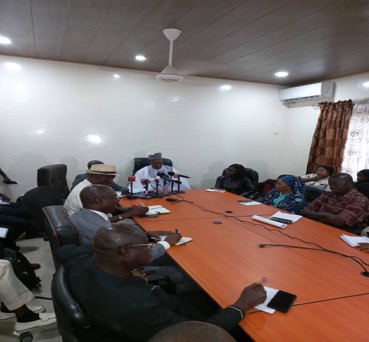
Minister of Lands Hamat NK Bah in his inaugural speech said the government led by President Adama Barrow would not get tired of getting things done especially addressing issues that affect the welfare of Gambians.
He acknowledged that there were a series of land disputes in The Gambia and therefore, the ministry felt the need to set up a committee to look into illegal encroachments within the Tambi wetlands in Cape Point and Jashwan as well as encroachments within government designated layouts.
He further stated that the task force was tasked with investigating former President Jammeh’s lands in Manduwar, Jamber, Brufut-Madiana, Kasakounda and other areas.
“The permanent secretary will provide you with a list of all the lands owned by former President Jammeh that you need to investigate. We want to know the status of these lands. We want to know the current status of these lands,” he said.
He praised the investigators for their experience, knowledge, skills and technical know-how required for the investigation and for being able to submit the required report to the government.
“We trust you, so you have been given the task of surveying the land. So, I am sure you will submit your report within the next two months,” he said.
He lamented that for six decades, The Gambia had not had a land policy that would have regulated the administration and management of land in the country.
He further told reporters that authorities often receive complaints on land issues many times, saying “if someone steals a car, the person is prosecuted but there are people who steal land in the country and they are walking freely on the streets,” he argued.
Bach further pointed out that “some Gambians have been defrauded of about 2 million dalasis while the fraudsters are walking freely on the streets of Gambia.”
However, he said the government would regulate land and no longer allow “unacceptable land transactions in the country”.
“The ministry is steadfast in its commitment to implement a comprehensive reform programme aimed at improving transparency, efficiency and sustainability in land management and governance,” said Safie Sankareh, permanent secretary at the Ministry of Lands, Regional Government and Religious Affairs.
PS Sankareh further said that the ministry’s initiative is aimed at resolving long-standing issues, streamlining the process, and ensuring equal access to land for all.
She said focus areas for the ministry’s reforms include modernizing land administration, strengthening the legal and regulatory framework, promoting sustainable land use, strengthening institutional capacity and increasing public participation.
“These reforms are essential to building a more transparent, accountable and inclusive land governance system. Our goal is to establish a strong framework that supports sustainable development, promotes social justice and ensures that land resources are distributed fairly and equitably for the benefit of all,” she said.
The chairman of the government’s Planning and Reserved Lands Committee, Kebba Njie, commended the ministry for commissioning them to look into the land issue. He suggested that the country needs to develop a land policy to ensure proper land management and administration.
Bai Mass Taal, chairman of the Tambi Wetlands Committee, said: “It will not be easy because some of the land has already been developed, but the law is the law.”
[ad_2]
Source link

