

[ad_1]
Tegucigalpa – The long-awaited rains will also exacerbate dengue fever outbreaks in Honduras.
– A dozen people have been confirmed dead from dengue this year, and a dozen more are under clinical investigation.
Although the rains are expected after a long drought and a layer of smog covering the country geographically, they will also lead to the expansion of mosquito breeding grounds, resulting in more dengue cases.
This was reflected this Saturday by Gilberto Ramírez, head of the Central Region Metropolitan Health District.
The official pointed out that the Central District had registered a total of 6,200 dengue cases during the summer and the current situation was atypical.
In this regard, he warned that one must wait for the rainy season to arrive in the country so that the highest number of dengue cases can be seen during the year.
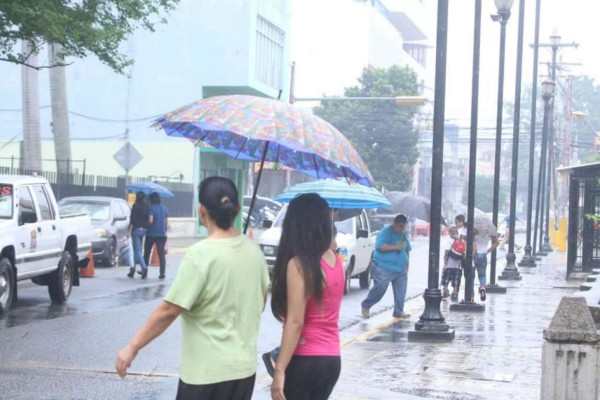
rainy season
The rainy season in Honduras runs from June to October-November.
During these months, significant rainfall is expected to continue, which will help restore river and dam water levels.
According to Cenaos forecaster Walter Aguilar, Honduras will see rain this Saturday and Sunday due to the entry of moisture and winds from the Pacific Ocean and the acceleration of winds and moisture from the Caribbean Sea.
It is worth noting that the 2024 Atlantic hurricane season will officially begin this Saturday.
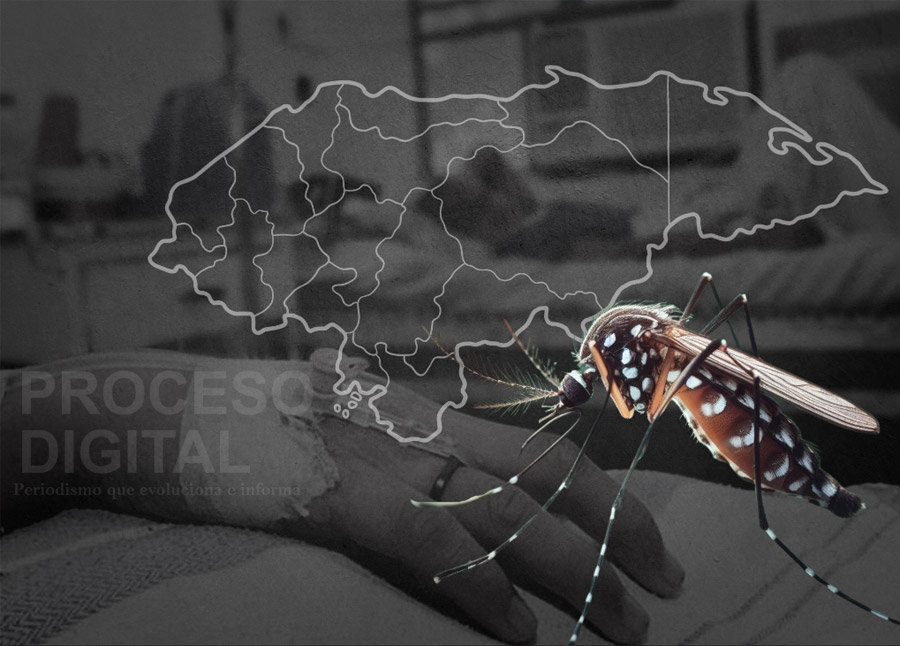
dengue
Dengue is a viral infection transmitted through the bite of infected female Aedes mosquitoes. There are four serotypes of dengue virus (DEN 1, DEN 2, DEN 3 and DEN 4).
Dengue fever is a public health crisis in Honduras and throughout the Americas. In 2023 alone, the Ministry of Health registered more than 34,050 cases of dengue fever across the country, and the disease is getting worse.
Despite strenuous prevention campaigns, vector control technologies remain inadequate, leading to mosquito resistance to current treatments and pesticide products.
Currently, nearly 14,000 cases of dengue fever have been registered across the country.
It is important to note that symptoms may appear between 4 and 10 days after infection, and in the most severe cases may last between 2 and 7 days.
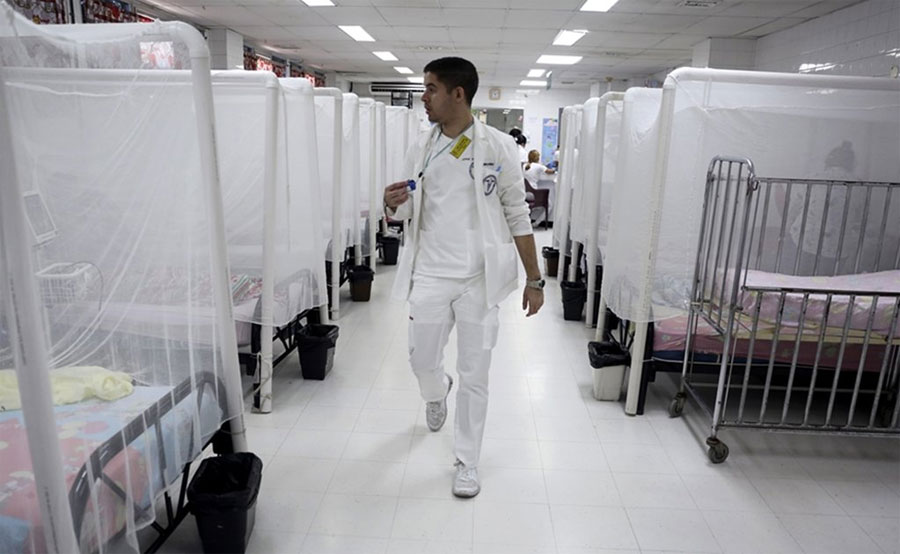
Emergency situations
In view of the serious situation caused by the increase in dengue cases across the country, health authorities have declared a national dengue emergency, which may enter the highest alert state from Friday.
In that order, several stabilization and triage units will be activated to care for dengue patients starting this weekend.
Fumigation in affected areas will continue to be intensified to control the spread of the Aedes aegypti mosquito, which transmits dengue fever.
Severe cases will continue to be treated at teaching hospitals and San Felipe Hospital, where care capacity has increased due to the increase in hospitalizations.
The authorization of the stabilization chamber aims to avoid the collapse of the country’s public health system. (RO)
[ad_2]
Source link

