

[ad_1]
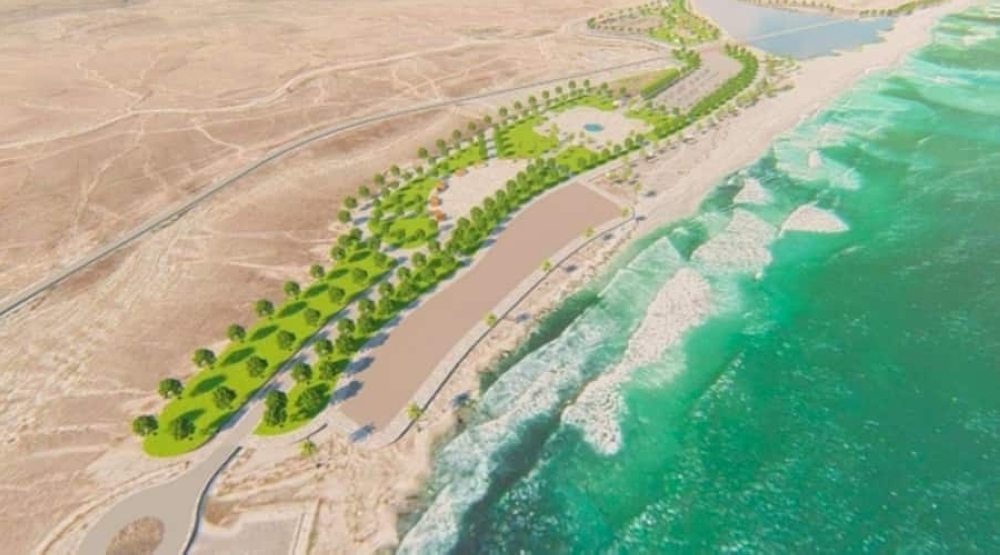
Salalah: Located in the southernmost part of Oman, Dhofar Governorate possesses extraordinary diversity and unique charm. Dhofar Governorate stands out for its magnificent scenery, rich cultural heritage and untapped economic potential. Dhofar Governorate has the makings of a first-class tourist destination that can make a significant contribution to the national economy.
Salalah is the vibrant administrative capital of Dhofar Governorate and is home to one of the most important ports in the Arabian Peninsula. Strategically located in the Indian Ocean, the Port of Salalah is vital to international maritime trade. It serves as a gateway between the East and the West, contributing to local economic growth by creating jobs and promoting related businesses. Continuous efforts to enhance logistics and infrastructure have further solidified the Port of Salalah’s position as a commercial hub.
Dhofar is famous for its monsoon season, which usually lasts from June to September. During this period, the region undergoes a dramatic transformation, attracting tourists from all over the world, especially from the Gulf Cooperation Council (GCC) countries, as the previously arid land becomes lush and green. The monsoon season provides a huge boost to the local economy, increasing business for hotels, restaurants, and other service industries. This seasonal influx not only highlights Dhofar’s natural charm, but also its potential as a top tourist destination.
The agricultural sector, known for its production of bananas and frankincense, is another important pillar of Dhofar’s economy. Frankincense, harvested from trees in the governorate, is of great economic and historical importance and is used for everything from perfume to medicine. In addition, banana cultivation supports the livelihoods of many locals and improves food security, contributing to the region’s agricultural diversity.
Historically, Dhofar’s economy was heavily reliant on the trade in frankincense, known as the “gold of the desert.” Dhofar played a key role in ancient trade routes linking India and Africa to the Arabian Peninsula. Today, the frankincense industry remains thriving, with applications in pharmaceuticals, cosmetics, and aromatherapy, among other fields. This enduring trade preserves an important part of Dhofar’s history and provides economic opportunities for the community.
Dhofar’s rich cultural heritage, reflected in festivals, traditional dances and music, is vital to preserving the region’s unique character. Events such as the annual Salalah Tourism Festival attract visitors from around the world and allow visitors to experience Dhofar’s unique customs firsthand. These cultural celebrations provide visitors with authentic experiences and foster a sense of heritage and pride among locals.
In line with global environmental trends, Dhofar Governorate plans to increase investment in the promising renewable energy sector. Renewable energy projects, especially those centered on green hydrogen production, bring huge economic benefits, including job creation, lower energy costs, promotion of investment in industries that are difficult to reduce emissions, and environmental protection.
Dhofar’s fisheries play a vital role in the local economy, relying on Dhofar’s rich marine life. The industry provides employment to a significant portion of the local population and improves food security. Adopting sustainable fishing practices will ensure the long-term viability of the industry. With new processing facilities and better market access, Dhofar’s fisheries will have greater profit potential.
Salalah is rapidly urbanizing, thanks to various infrastructure and real estate developments. These projects include luxury hotels, residential towers, and shopping malls to cater to the growing population and tourists. Urban renewal has improved the quality of life for residents, making Salalah a modern, vibrant city with great potential for future development.
Skill development and education are vital to Dhofar’s economic success. Significant investments in educational infrastructure, such as new universities, schools, and vocational training centers, are intended to equip the local workforce with the skills needed in a variety of industries. A well-educated and skilled workforce enables Dhofar to meet the demands of a growing economy.
Recent advances in healthcare services have greatly improved the quality of life in Dhofar. Modern hospitals and clinics are equipped with state-of-the-art facilities and well-trained staff, providing comprehensive medical services. These improvements ensure the well-being of local residents and attract health tourists seeking high-quality medical services.
Women are increasingly contributing to Dhofar’s economy in various fields, including healthcare, education, and entrepreneurship. Initiatives to promote female entrepreneurship and employment have increased female representation in the workforce. This empowerment not only stimulates economic growth but also promotes gender equality and social development.
Dhofar’s habitats are diverse, ranging from coastal areas to mountains, and are home to a wide variety of flora and fauna. Environmental conservation efforts are essential to protecting these natural areas. Initiatives such as protected areas, wildlife protection programs, and sustainable tourism practices aim to balance environmental protection with economic development and preserve Dhofar’s natural heritage for future generations.
Infrastructure development, including public facilities, roads and airports, is vital to Dhofar’s economic growth. Oman’s Vision 2040 outlines a long-term development strategy that prioritizes social welfare, sustainability and economic diversification. Dhofar plays a key role in this vision, with major projects and initiatives aligned with national goals. Dhofar’s significant contribution to Vision 2040 has driven Oman’s overall success in education, healthcare, tourism and renewable energy.
In addition to the famous Khareef season, Dhofar offers many lesser-known tourist attractions that provide unforgettable experiences. For example, the vast Empty Quarter desert, the pristine Mirbat Beach and the historic ruins of Samkhrum. Promoting these attractions can enrich tourism options and strengthen the local economy by attracting a wider range of tourists.
[ad_2]
Source link

