

[ad_1]
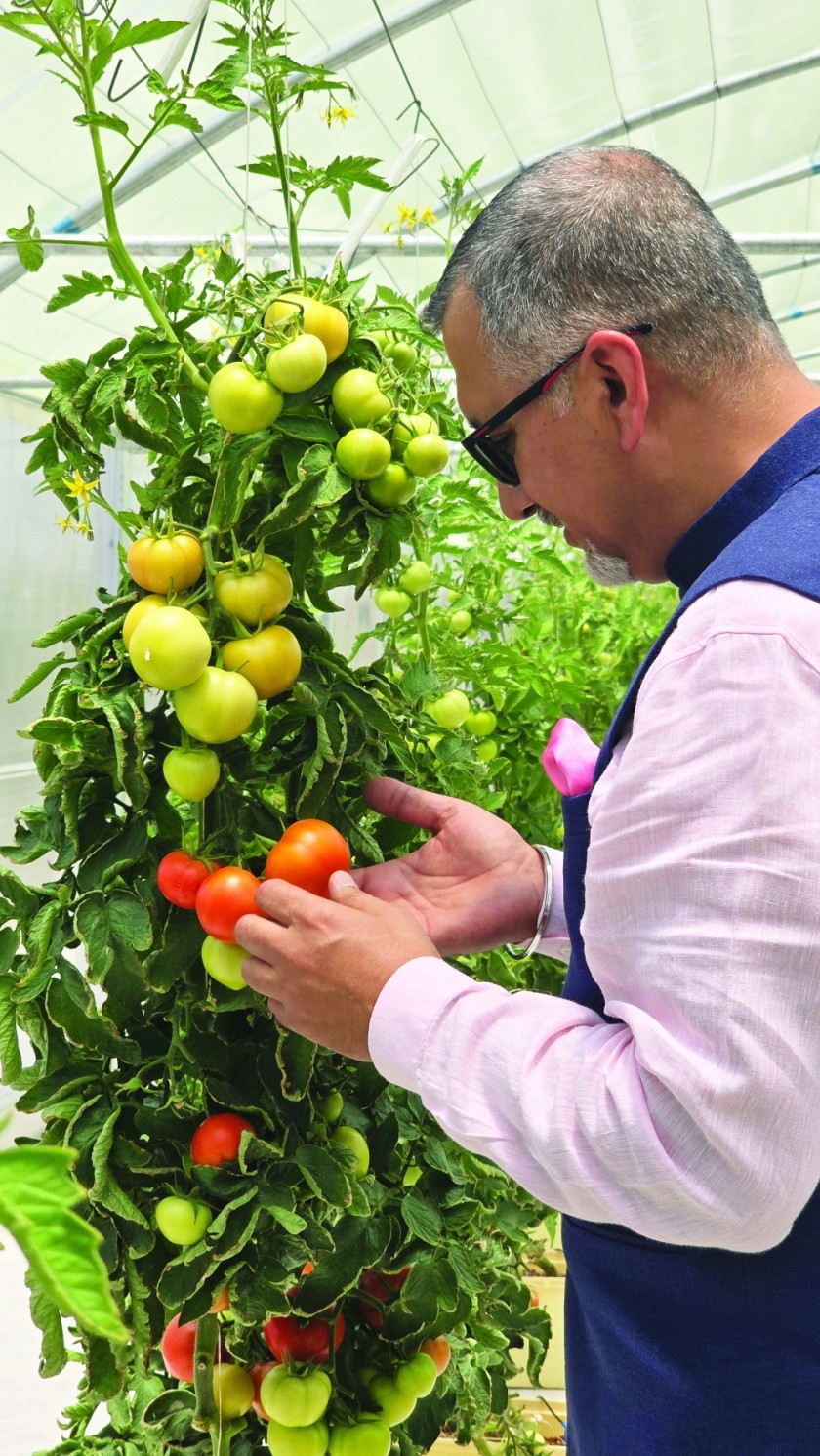
Black heirloom tomatoes are now grown in Jabal Akdhar. This was almost impossible a few years ago because the lower temperatures and shorter growing season in the mountains made it difficult to grow.
Thanks to a new initiative, black heirloom tomatoes and other heirloom varieties, including leafy greens and commercially expensive vegetables like zucchini, high-end cucumber varieties and different berries typically used in fine dining experiences (mostly imported from other countries) are starting to proliferate, and in a few years, this locally grown produce may actually make its way to your local supermarket.
The first phase of the project was officially launched in early July 2024 with the support of the Omran Group. It covers an area of 646 square meters and is located in the scenic Alila Jabal Akdhar Hotel. Puneet Singh, general manager of the hotel, said that this move is aimed at solving food security and independence issues, and also promoting self-sufficiency.
“Our goal is to encourage everyone in the industry to pursue their own food self-sufficiency and sustainability, and in this way, communities can see what is possible even in deserts or mountains,” he said.
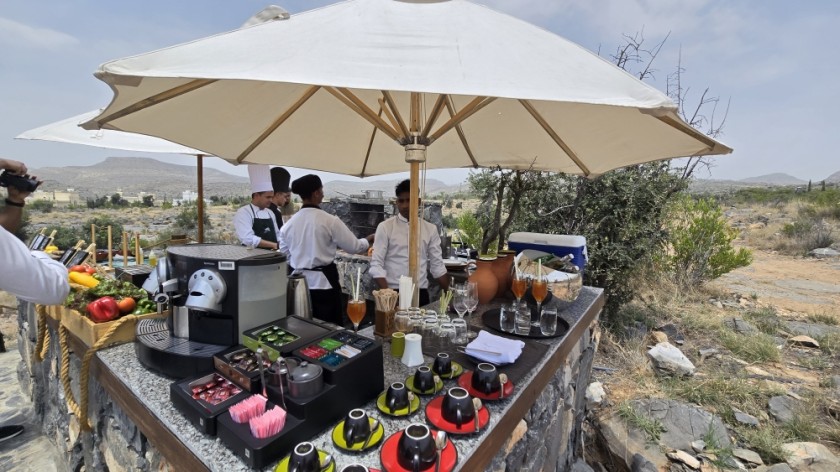
How hydroponics in Jebel Ali Akhdar is shaping the future of local food
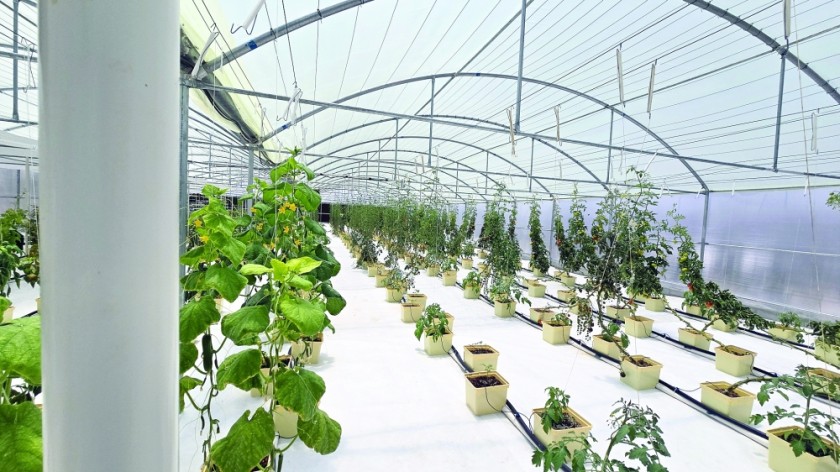
How hydroponics in Jebel Ali Akhdar is shaping the future of local food
Hydroponics in the mountains
Hydroponics is a method of growing plants without soil, using a nutrient-rich aqueous solution to deliver essential minerals directly to plant roots. The system allows for precise control of the growing environment, including nutrient levels, pH and temperature, resulting in faster plant growth and higher yields compared to traditional soil-based agriculture.
To successfully grow heirloom tomatoes, certain conditions are ideal. They need full sun, with at least 6 to 8 hours of direct sunlight per day. The soil should be well-drained, fertile, and rich in organic matter, with a slightly acidic to neutral pH of 6.0 to 7.0.
“When you do hydroponics, you maximize the use of space. You can do hydroponics in deserts or mountains because the plants are not dependent on soil,” Singh said.
Common vegetable ingredients suitable for hydroponics include lettuce and leafy greens such as romaine, choy sum and kale, which are popular for their rapid growth and high demand in culinary dishes. Herbs such as basil, mint, cilantro, parsley and thyme thrive in hydroponic systems and are often used for garnishing and seasoning in fine dining. Tomatoes, especially traditional and cherry varieties, are ideal for hydroponics and provide rich flavor and color to gourmet dishes. Cucumbers grow quickly and can be used in salads, garnishes and cocktails, while bell peppers and hot peppers provide a variety of flavors and colors.
Almost all of these varieties have been planted and will open for the second phase of planting later this year.
Unlike traditional farming methods, hydroponics uses up to 90% less water due to water recycling, making it ideal for areas where water is scarce. This space-saving design allows for vertical or close planting, maximizing the use of limited arable land. Since no soil is used, it eliminates the risk of soil erosion, which is common in rainy areas. Hydroponics allows for year-round planting in a controlled environment, resulting in faster growth, higher yields, and less pesticide use. This sustainable method can improve food security in areas not suitable for traditional farming.
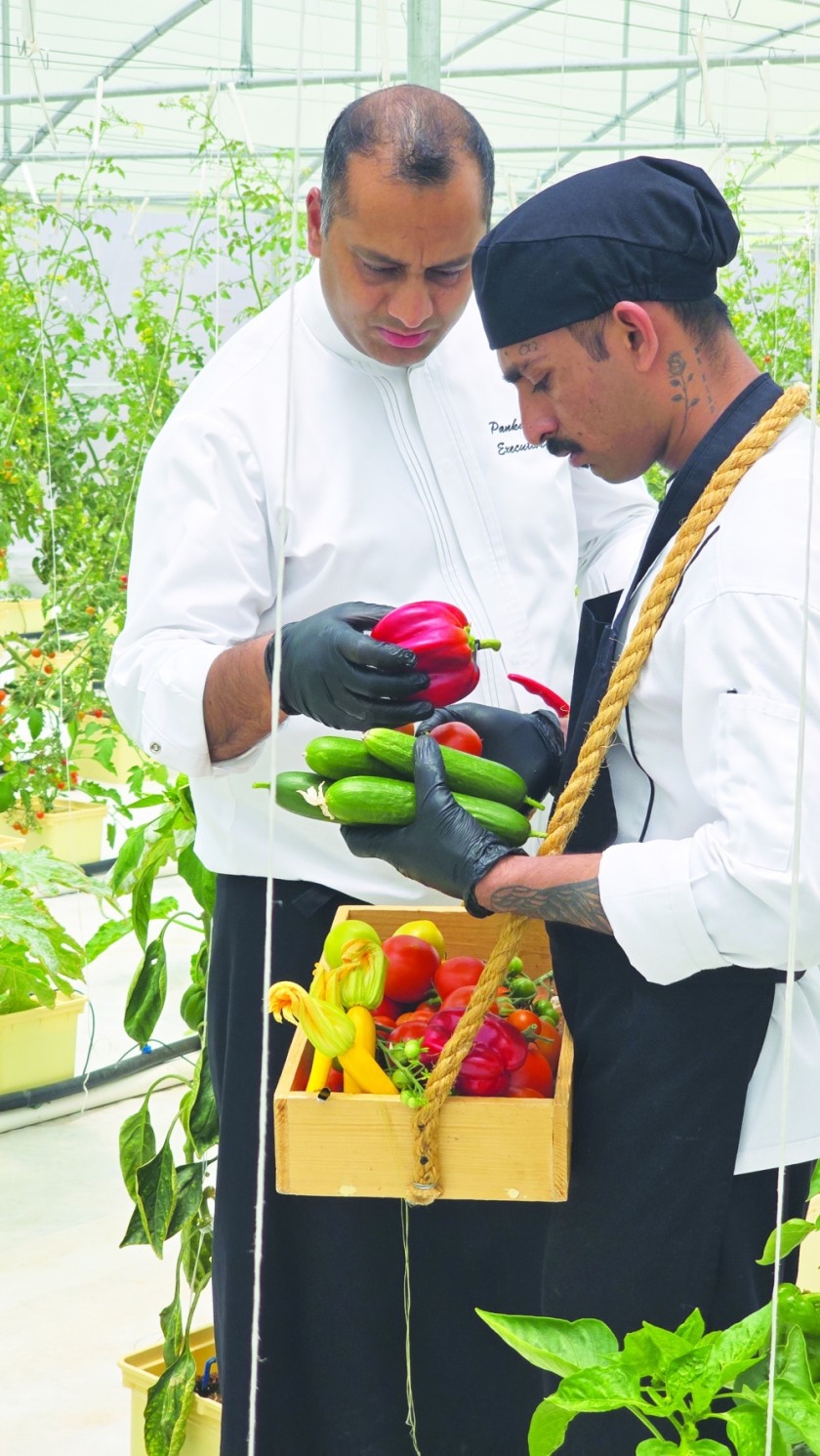
How hydroponics in Jebel Ali Akhdar is shaping the future of local food
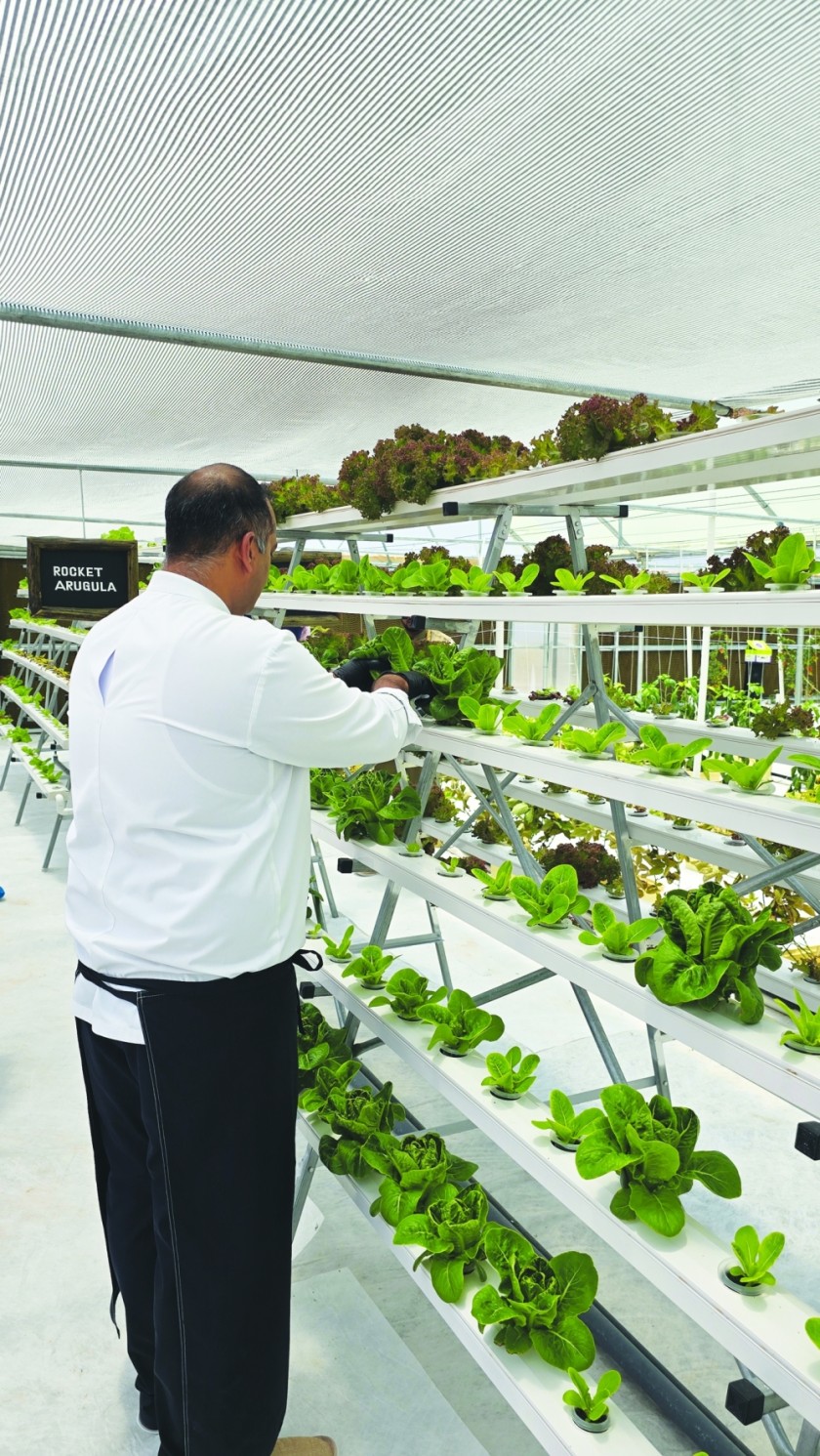
How hydroponics in Jebel Ali Akhdar is shaping the future of local food
Empowering communities
According to Singh, the farm’s practices can already be seen elsewhere in the world. In fact, the program’s explicit intention is to create a domino effect, inspiring other farms and entire communities to research hydroponics.
“We hope that society will watch and be inspired by this and encourage not only farmers but other property operators to take sustainability seriously and work towards food security,” Singh said.
Singh said in time they hope to open the hydroponic farm for visits, especially to school students, so they can see the new technology and learn new ways to grow food.
Providing communities with access to hydroponics through tourism and educational programs can raise awareness of sustainable practices and engage people in discussions about food production and environmental impacts. It also provides the hands-on experience and skills needed to set up personal hydroponic systems, promoting self-sufficiency and innovation.
For children, travel can spark an interest in science, technology, and environmental careers, inspiring them to explore these fields further.
Singh also said that despite their current set-up, they produce enough produce to feed their kitchen and are considering supplying part of their harvest to local supermarkets.
“The most sensible thing to do is to offer the excess harvest to other hotels, restaurants and supermarkets for purchase,” Singh said.
How hydroponics in Jebel Ali Akhdar is shaping the future of local food
How hydroponics in Jebel Ali Akhdar is shaping the future of local food
Part of the luxury experience
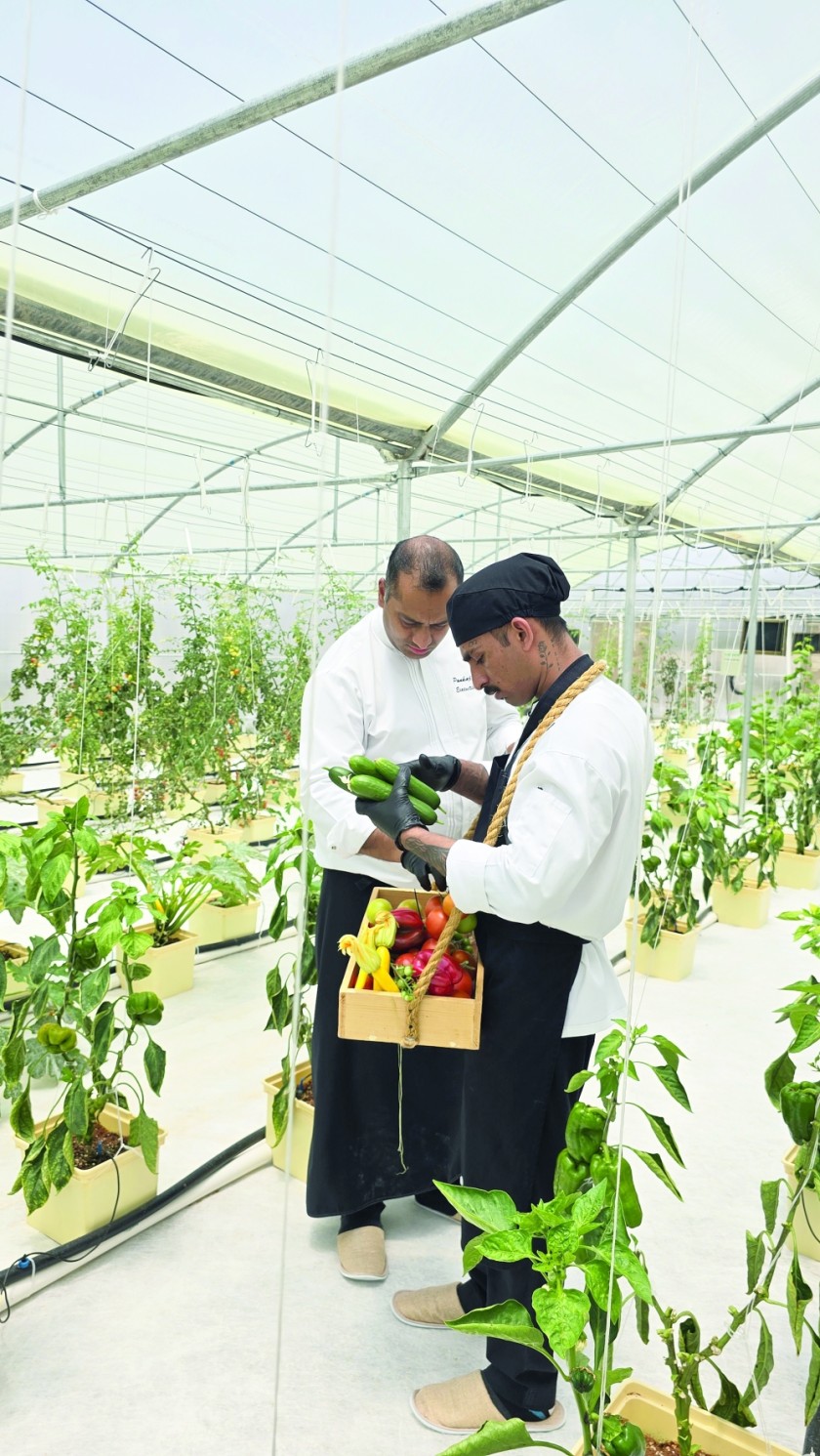
The hydroponic farm opens up a new level of luxury for guests staying at Alila. Singh says they are truly creating a farm-to-table experience by allowing guests to hand-pick the ingredients for their bespoke dining experiences.
The “farm to table” experience has become a popular mantra among luxury hotels due to its emphasis on authenticity, quality and sustainability.
“By focusing on the direct connection between where food comes from and how it is cooked, luxury hotels are able to offer guests high-quality, fresh, seasonal ingredients that are often sourced locally. This approach enhances the flavor and nutritional value of dishes, while also meeting growing consumer demand for transparency and authenticity in food sourcing,” said Singh.
For Pankaj Walia, Executive Chef of Alila Jabal Akdhar, “This initiative demonstrates our commitment to sustainability. By reducing the carbon footprint associated with long-distance food transportation, we are championing environmental stewardship.”
Visitors to Oman will not only be able to enjoy this fresh produce, but they will also be able to experience the different seasons when they visit the mountains, especially the Jabal Akhdar Mountains – from the freshness of rose and pomegranate harvests to the current honey harvest season, where hydroponic farms open the door to culinary innovation,” said Chef Walia.
[ad_2]
Source link

