

[ad_1]
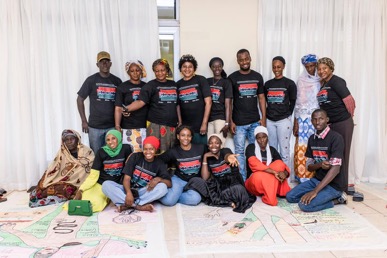
On Friday, July 12, 2024, two days before the Women (Amendment) Bill 2024, which aims to repeal the ban on FGM/C, was due to be considered, WILL released a report titled “Female genital mutilation/cutting (FGM/C): documenting morbidity and mortality through community reflection‘. A policy brief based on the report’s findings was shared with event participants. The event also featured body mapping, a visual art technique used to depict the suffering of FGM/C survivors, and recorded testimonies from FGM/C survivors.
The report documented six (6) deaths of young girls and one infant, one (1) in NBR, one (1) in CRR, one (1) in LRR and three (3) in WCR. The deaths were reportedly due to heavy bleeding after the deceased was subjected to FGM/C. The report also documented frequent cases of infants and young girls who suffered heavy bleeding after being subjected to FGM/C but fortunately escaped death due to life-saving interventions.
Evidence from WILL community events revealed some of the social and behavioural norms that drive the practice of FGM/C, including religious and cultural beliefs and fear of pregnancy outside marriage. Contrary to the commonly promoted view that women support FGM/C, the vast majority of women participating in community events do not want FGM/C to continue. This is consistent with the results of the 2019-2020 Gambia Demographic Health Survey, which found that the number of women who believed FGM/C should continue decreased from 65% in 2013 to 46% in 2019-20, and more women who have experienced FGM/C, especially young women, support its elimination.
According to the report, awareness of the health risks associated with FGM/C is high among women, but lower among men, and misconceptions persist. The strongest supporters of FGM/C are men. An encouraging finding of the report is that even young men have a strong interest in discussing FGM/C.
To achieve target 5.3 of the United Nations SGD 5 (end all practices of child, early, early and forced marriage and female genital mutilation by 2030), the report recommends the retention and enforcement of the Women (Amendment) Act 2015. The report further recommends that stakeholders including the National Assembly, the judiciary, law enforcement agencies, the media, civil society organizations, community organizations, international development partners should work together to develop a strong policy and legal framework and action plan to eliminate the practice of FGM in The Gambia, while conducting research and disseminating relevant knowledge to support the campaign to eliminate the practice of FGM/C by 2030.
[ad_2]
Source link

