

[ad_1]
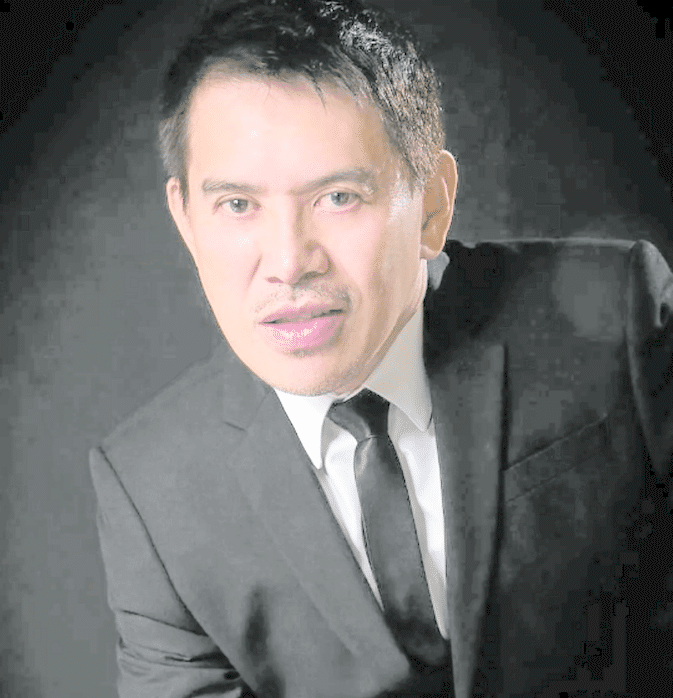
Brillante Ma Mendoza — Contributed photo
Award-winning filmmaker Brillante Ma Mendoza said his dream is to make an original musical film that Filipino audiences can relate to and sing along to.
“Filipinos love music. The only thing that prevents artists from making musicals is the high cost of song rights. If you notice, even though we have many singing celebrities, we don’t have many Filipino musicals,” Mendoza said.
The most notable Filipino musicals include theatrical films by Chito Roño (Emil, 2010) and Loy Arcenas (Pictures, 2018), and the romantic comedy I Do Bidoo Bidoo: Heto nAPO Sila (2012) by Chris Martinez.
“I hope I can realize this dream now while I am still strong because it is difficult to do. My idea is to combine magical realism with jukebox songs so that the audience can also sing along with the artist. I prefer to use songs that resonate or songs that we usually use in jukeboxes or karaoke machines. It is not for nothing that people call the Philippines the country of karaoke. Every Filipino home has karaoke,” Mendoza said.
“I would make singers actors,” the Cannes Best Director continued. “It’s a shame that we have a lot of great talent that is not being used to its full potential. They just record songs, then have concerts, then record songs again. Look at Lady Gaga, she’s a singer and she’s also a great actress. Why can’t our artists do the same? Lady Gaga’s movies can make money.”
Mendoza said he believes in the power of telling stories through songs. He explained: “A song is full of emotions and can take you from sad to happy in just three minutes. Also, the emotions vary depending on how the artist interprets the song,” he added.
Modification, reshoot
That’s why he opens his latest feature, “Moro,” with a scene of Maguindanao chanters to set the film’s mood and tone.
Starring Laurice Guillen, Baron Geisler and Piolo Pascual, Moro will begin streaming on Netflix on July 19. It is the second of a two-part story about the infamous 2015 Mamasapano conflict.
The first part, titled “Bansa,” recounts a gunfight between police and Islamic militants in Maguindanao that left 44 Special Action Force (SAF) operatives dead. “Moro” is shot from the perspective of some members of the Muslim community who lost loved ones in the gunfight.
“I had initially made two stories into one film, which ended up being four hours long. When I edited it, I realised it wasn’t working well. As a viewer, I wasn’t drawn into the story. This was because I would see Barun in one scene and then the perspective would shift to Rocco (Nasino, who plays the lead in Bantha). It felt disjointed,” he began.
“That’s when I decided to separate them, and it worked. I had a lot of trouble editing it because the movie wasn’t originally meant to be like that. I had to do a lot of revisions and reshoots. In fact, Christopher (De Leon) had very little part in the original version, but I had to call him back to increase his role,” Mendoza said.
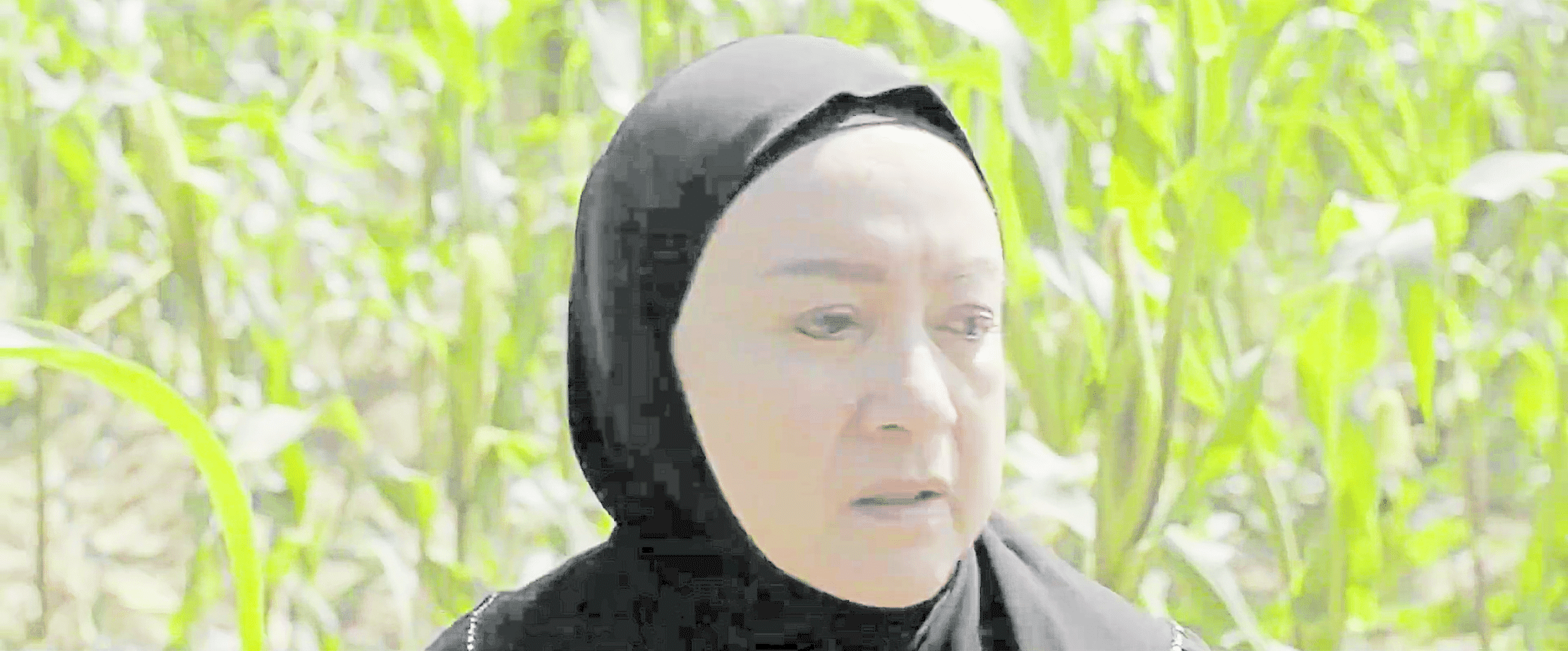
Laurence Gillen in “Moro”——CENTER STAGE PRODUCTIONS
Highlighting culture
Mendoza said Guillen’s character, Ima, the mother of Jasim (Pascual) and Abdul (Geisler), was based on a real-life Maguindanao woman who lost not only her husband but also her two sons in the war.
“A lot of people there consider themselves victims. You’ll hear a lot of sad but funny stories there, all you have to do is choose. They’re all heartbreaking,” he said.
“Moro” premiered at the 2023 Busan International Film Festival in South Korea. “Besides praising Laureys’ performance, people there were curious about why I kept making Muslim-themed movies, thinking that I am a Catholic and that I am from Pampanga. My film “Mindanao” was also screened there.”
Mendoza explained that this was due to the lack of representation of Mindanao’s Muslim community. He also wanted to highlight the region’s unique culture. “Only now, through the work of regional filmmakers, people are beginning to become more aware of what Mindanao is like. I’m proud to have incorporated into the film the different traditions they still practice today, like the kanduri,” the director said.
“Kanduli” is a Maguindanao word meaning “dedication”. It is a ceremony of thanksgiving to God for all the blessings he has given.
Asked how he feels about his film now being streamed on Netflix, Mendoza said: “The benefit is that more people, especially in Southeast Asia and Asia Pacific, will be able to see the film. In five years, they will all be able to see the film. My film Amo is still being streamed even in North America. It feels good to get calls from people who have seen the film there.”
But Mendoza noted that seeing a film on a big screen is, of course, another story. “When I saw Moro at the Busan Film Festival, it had a state-of-the-art projector and excellent sound, it was amazing! We can’t experience it the same way here because our technology is limited,” he added.
[ad_2]
Source link

