


[ad_1]
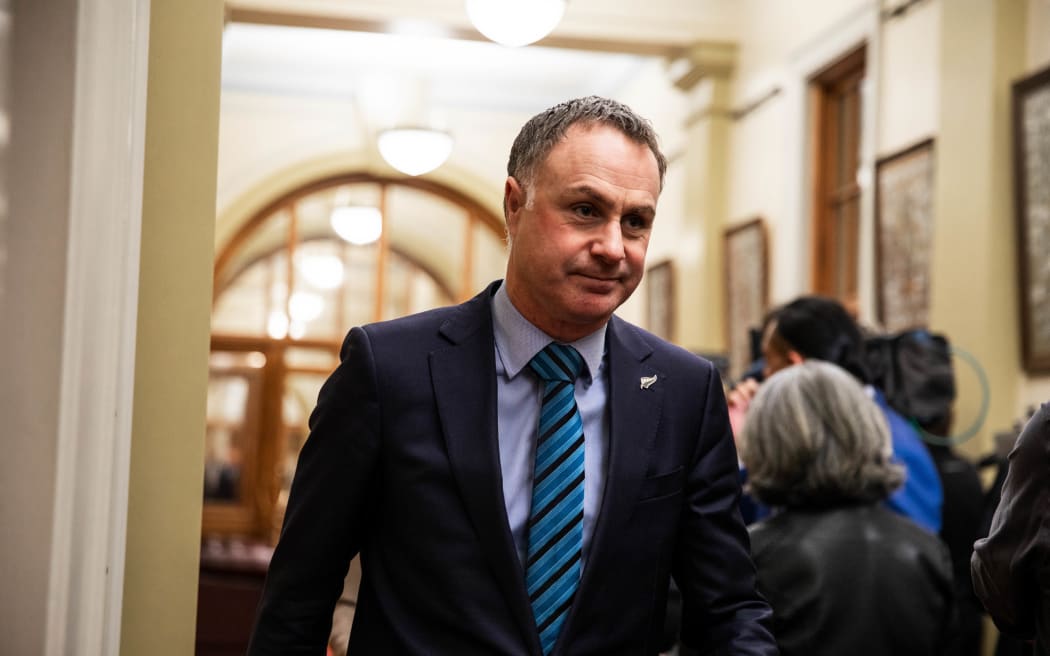
Climate Minister Simon Watts
photo: RNZ/Samuel Rillstone
The government’s proposed legal changes to exclude agriculture from the Emissions Trading System (ETS) have passed their first reading.
Current law requires agricultural processors to pay fees for fertilizer and livestock processing starting early next year. The law also requires livestock farmers to report farm emissions starting in 2026 and to pay fees starting the following year.
But the government’s Climate Change Response (Agricultural Obligations under the Emissions Trading Scheme) Amendment Bill removes references to agricultural activities from the Act, so that only industrial activities are subject to the ETS.
The move follows National Party’s election policy and coalition agreement.
“This actually supports farmers,” Climate Minister Simon Watts said in his speech. “Agriculture is the backbone of New Zealand’s economy, accounting for 81% of exports, and New Zealand-grown produce feeds more than 40 million people around the world.”
He said the government was committed to supporting farmers and the industry to reduce emissions, “but in a way that doesn’t put farmers out of business and move production overseas”.
Watts said obligations under current laws could require up to 100,000 livestock farmers to register, report and pay for their emissions.
“This would place a disproportionate burden on smallholder farmers and would disrupt the operation of the program by significantly increasing the number of participants in the program.”
He noted the government will invest $400 million over four years to “accelerate the commercialization of tools and technologies to reduce farm emissions,” and said the government’s review of methane science will consider the science and targets to ensure consistency without causing additional warming.
“These are just some of the actions the government is taking. We will soon begin consultation on a second round of emissions reductions, which will set out further measures.”
He said the government remained committed to “establishing a fair and sustainable farm emissions pricing system by 2030”.
Labour’s Megan Woods said the legislation was a “bad choice” and would “set New Zealand backwards”.
“Mr Speaker, if there is one issue that has been left on the back burner in New Zealand politics in the 20th and early 21st centuries, it is the issue of agricultural emissions and its place in our emissions trading system and emissions pricing system,” she said.
She said the bill “makes clear there is no plan and the only plan is to further delay the inevitable”.
She noted farm-related emissions accounted for 49 per cent of New Zealand’s greenhouse gas emissions, and the Government said its emissions reduction plan, due in December, was “not good enough”.
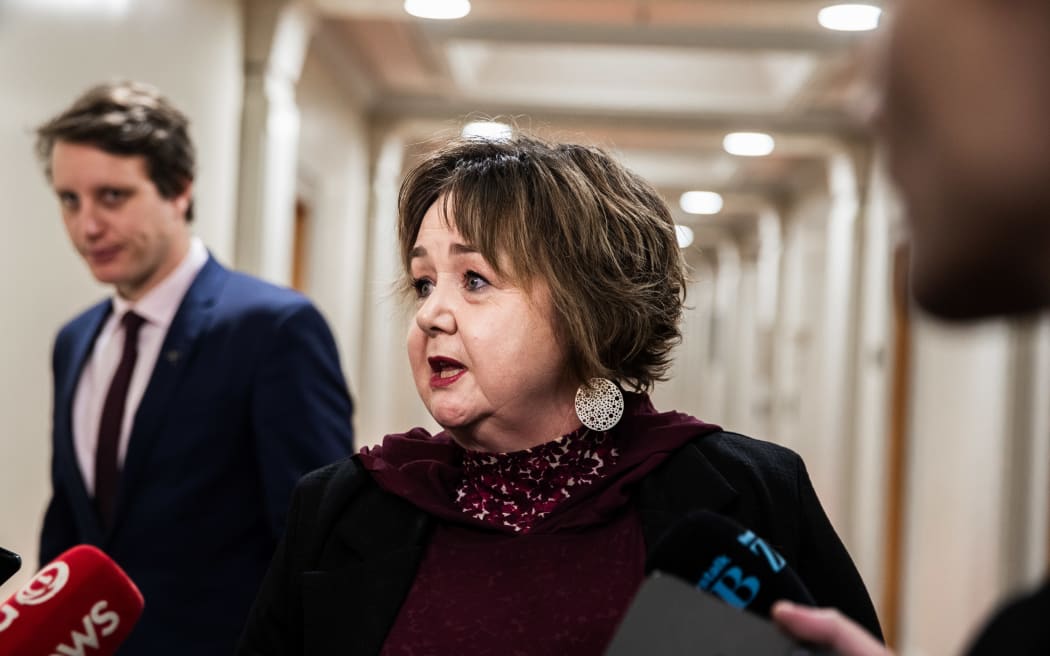
photo: RNZ/Samuel Rillstone
Woods noted that New Zealand’s international trade agreements required both parties to meet climate obligations, and “time and again we’ve seen governments backslide on the actions they take to meet those obligations”.
“We’re seeing it in transport, we’re seeing it in industrial and process heat, we’re seeing it in every sector of the New Zealand economy, the actions we took are being rolled back.”
Green Party co-leader Chlöe Swarbrick said the government’s new route of “yet another task force” could lead to “Eke Waka Nowhere”.
She said agriculture accounted for 5 percent of New Zealand’s GDP and was the only sector of the economy that did not pay tax to the ETS, an issue that had been debated for 20 years.
This means that all other parts of the economy bear the burden of agriculture.
“We have not yet reached any meaningful conclusion that farmers as a whole or the peak body that represents them will say ‘hey, guess what, we actually want pricing’ because, Mr Speaker, that is precisely the job of the government, to make those bold decisions that are necessary,” she said.
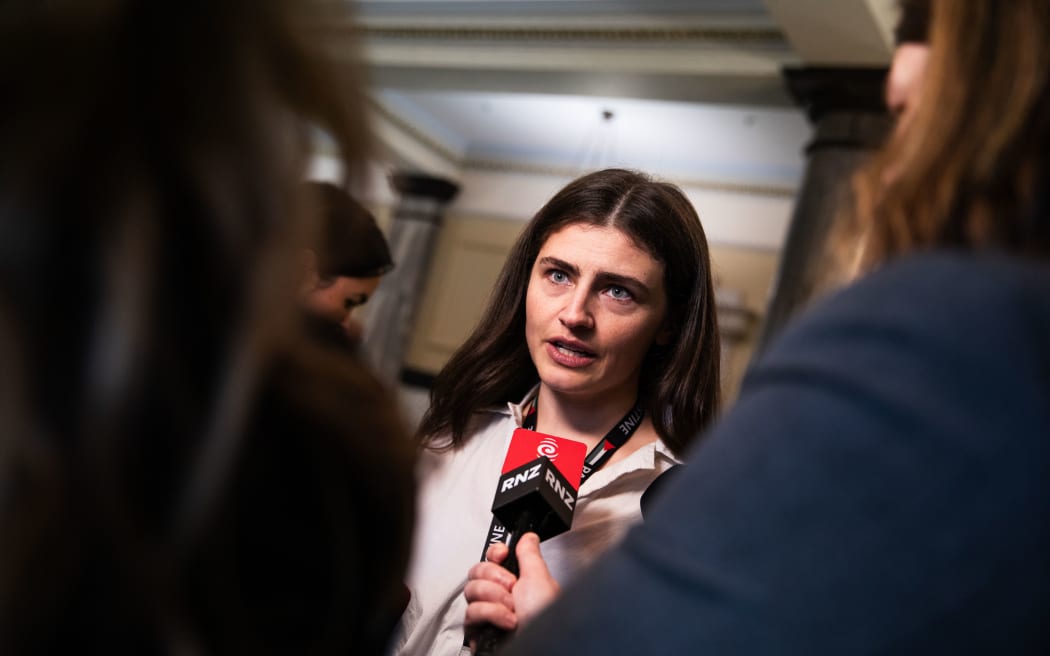
photo: RNZ/Samuel Rillstone
The bill means there is no way to achieve the legally required 30 percent reduction in methane emissions over the next six years.
“This bill also gives us back the future in terms of emissions reporting requirements for processors,” reversing a requirement that processors report emissions that had been in place since 2011, she said.
She noted that the Climate Change Committee’s report found that moving to a “no increase in warming” approach would mean a greater burden on all other sectors.
The goal being worked on is the scientific reality of life on Earth to support “the food production capacity that the government claims to care about.”
ACT’s Andrew Hoggard said the ETS backstop had “been like a sword of Damocles hanging over the agricultural sector for the past six years”.
He said the only possible benefit from the He Waka Eke Noa project would be the impact on rural New Zealand: “milk production is down 8 per cent… lamb production is down 19 per cent, beef production is down 44 per cent, wool production is down 18 per cent and venison production is down 37 per cent”.
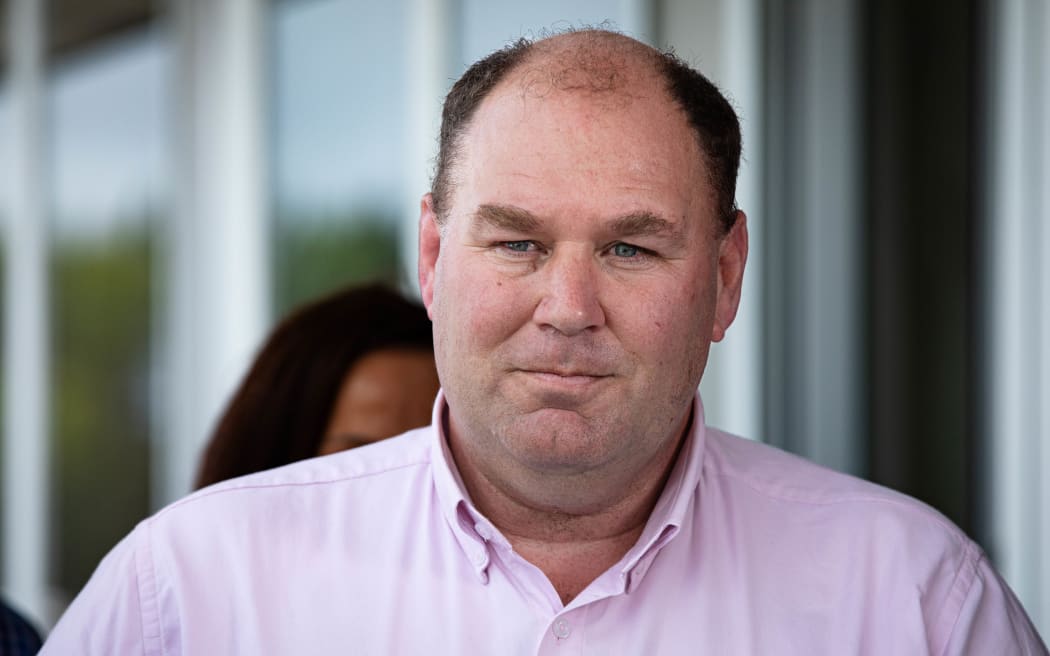
photo: RNZ/Angus Drever
He said in total, regional New Zealand had seen about $5.3 billion in lost tax revenue.
“These are costs that rural, remote New Zealand cannot afford … Methane is a short-lived gas. Further warming makes no sense. That’s what the Paris agreement was based on.”
In a brief speech, New Zealand First’s Jamie Arbuckle said New Zealand’s farmers were probably the most efficient in the world, but they faced some “unique challenges”.
“This bill actually provides some support for them. So New Zealand First supports this bill because it is in line with the party’s principles of standing up for farmers and ensuring climate policy is pragmatic and effective.”
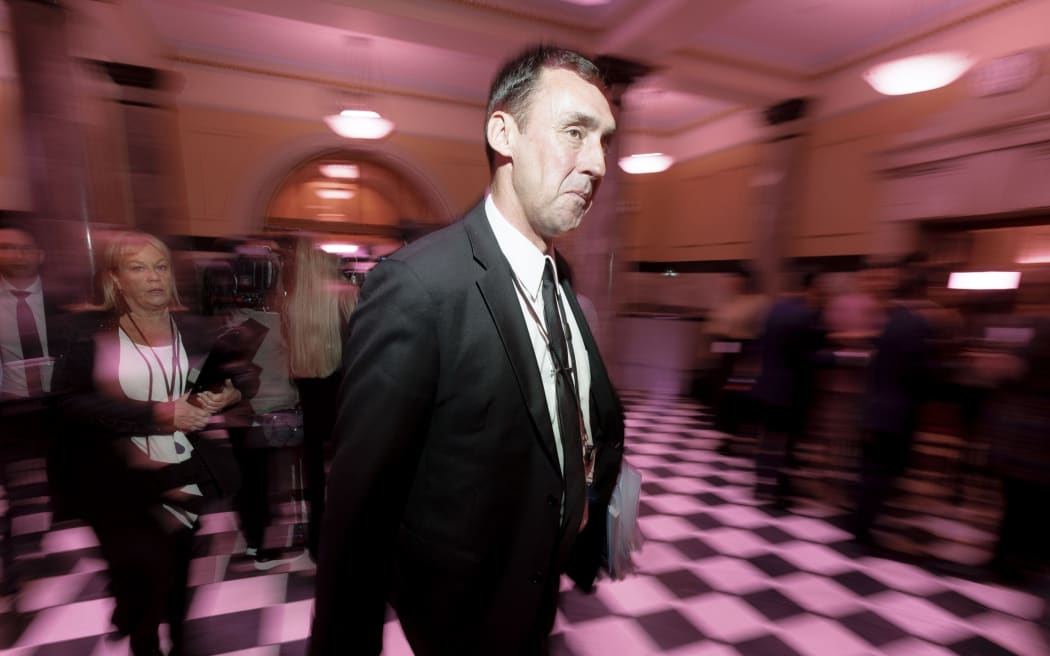
Jamie Arbuckle
photo: The Washington Post/Robert Kitchen
He said it would remove unnecessary compliance costs and administrative burdens and support an approach to gas distribution that was “better suited to the New Zealand farming environment”.
The He Waka Eke Noa partnership between government, industry and iwi was scrapped by Te Pāti Māori’s Hana Rawhiti Maipi Clarke, who was concerned the words iwi and Māori did not appear in the bill.
“We oppose this bill in the name of Mana Motuhake. These changes have been proposed without consultation or input from iwi, whereas He Waka Eke Noa was at least developed specifically in consultation with Māori. We are not included at all in the livestock sector groups that will replace He Waka Eke Noa.”
She said the bill would ensure polluters are not penalized.
“The polluters should pay the price, not us.”
The bill passed its first reading by 68 votes to 55 and has been referred to the Primary Production Select Committee for review and public consultation, with a report by November.
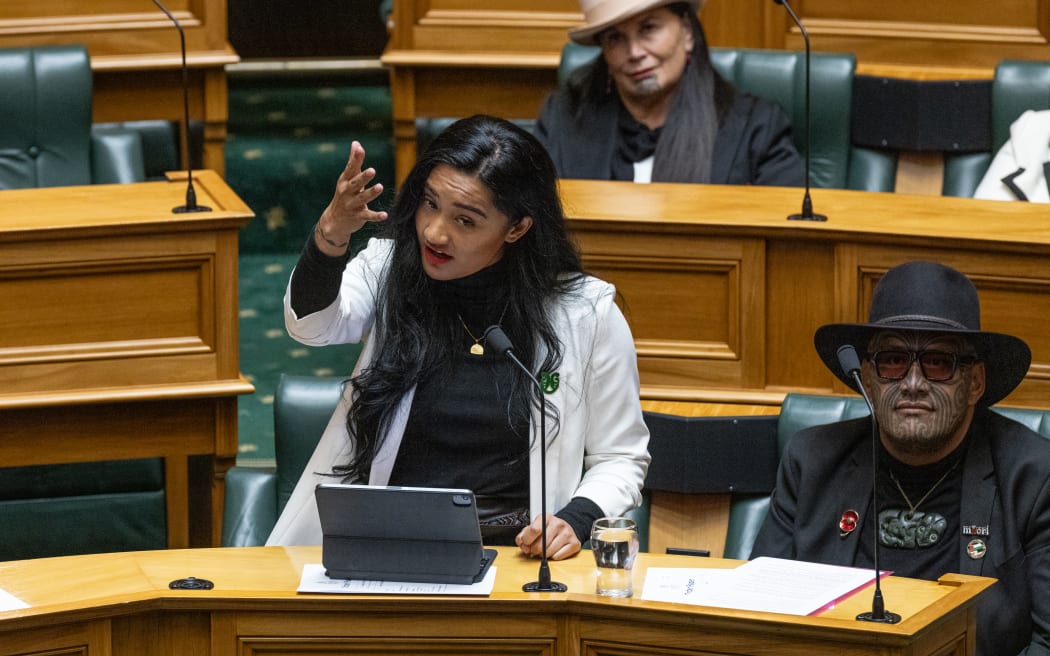
Hannah Don Mypi Clark
photo: VNP/Phil Smith
[ad_2]
Source link

