


[ad_1]
World Health Organization (WHO) Director-General Tedros Adhanom Ghebreyesus said: “The World Health Organization Emergency Committee met today and provided me with advice that this situation (related to poxvirus) constitutes a public health emergency of international concern. I accept this advice,” he said.
Tedros made his assessment on the possibility of further international spread of the Mpox virus (Mpox) in Africa and other regions following a meeting of the Emergency Committee organized by the World Health Organization.
Ghebreyesus noted that cases of Mpox virus have been reported in the Democratic Republic of the Congo for more than a decade, with the number of cases reported each year steadily increasing.
Ghebreyesus said, “The number of cases reported last year has increased significantly. More than 14,000 cases have been reported so far this year. The number of deaths related to the disease has reached 524, which is more than last year’s total,” he said.
‘It’s creating an emergency’
Ghebreyesus reminded that he had announced last week that an emergency committee would be convened within the International Health Regulations to assess the increase in pox cases in the Democratic Republic of the Congo and other countries in Africa, “The WHO Emergency Committee met today and told me that this situation (related to the pox virus) is of international importance.” “I have accepted the advice that it constitutes a public health emergency,” he said.
Ghebreyesus also noted that the committee’s recommendations are in line with the public health emergency declared yesterday by the African Union on the continent against the poxvirus, which is spreading rapidly in African countries.
Hundreds of deaths
According to a report released on August 9, from January to August 8, 2,822 people were infected with the virus in 13 African countries, and 14,719 suspected cases were recorded.
517 people have died from the virus, 511 of them in the Democratic Republic of Congo.
What is MPOX virus?
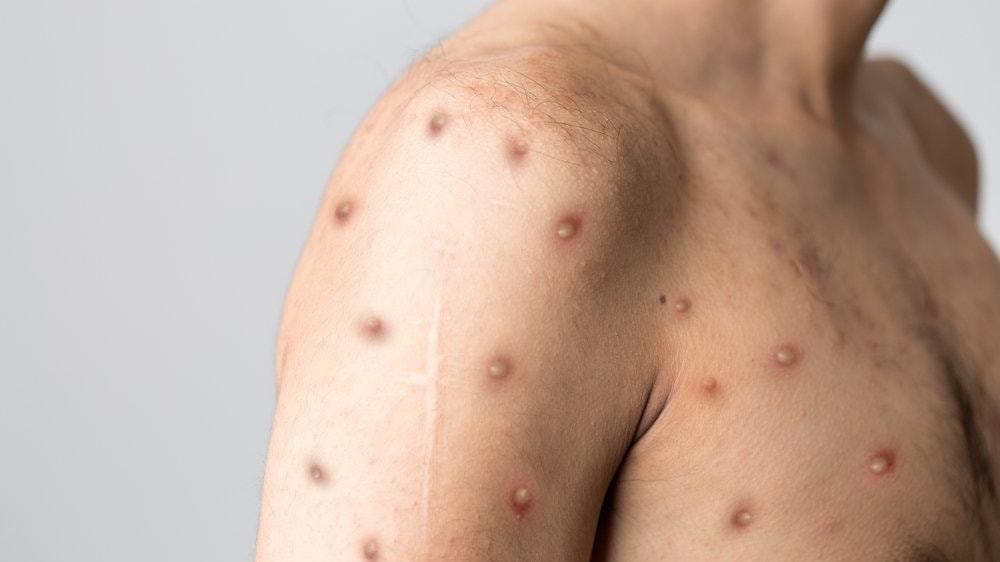
Mpoxvirus is spread by rodents such as mice and squirrels or by infected individuals. Contact with the rash caused by the virus, use of clothing, bed sheets, towels and similar items contaminated by the rash, and contact with body fluids are the most important causes of infection.
The first symptoms may appear 5 to 21 days after infection with the virus. The virus typically causes high fever, head, back and muscle pain, swollen lymph nodes, fatigue, chills, chills, and blisters on the skin, similar to chickenpox.
There is no specific treatment for the disease, which can be treated with antiviral medications. Most cases are mild and recover within a few weeks.
Due to concerns about racism and discrimination, the World Health Organization (WHO) changed the name of “monkeypox” to “mpox” in 2022.
[ad_2]
Source link

