


[ad_1]
This articleauthorDeng ShumingVisiting professor of Computer Science Department, Faculty of Engineering, Geography Department, Faculty of Social Sciences and School of Architecture, University of Hong Kong, and writes columns for Hong Kong Economic Journal“Kami Shingo”.
Two Chinese white dolphins were found dead on Pui O Beach in Lantau Island in early July, bringing the total number of such cases to 31 this year. The southwestern coastal waters of Lantau Island are frequented by Chinese white dolphins. The incident comes at a time when the government is consulting the public on the development plan of the “South Lantau Ecological and Recreation Corridor”, and has raised concerns about whether the authorities can strike a balance between conservation and development.
The “South Lantau Ecological Recreation Corridor” covers Cheung Sha, Shui Hau, Shek Pik and Pui O, and will build adventure facilities, mountain climbing chairlifts, high-quality holiday accommodation, etc. The consultation period will last for two months until July 28. Wu Guoyuan, director of the Sustainable Lantau Office, said that this development plan will avoid destroying the original ecological characteristics and values. For example, Pui O will refer to the Phillip Island Nature Park in Australia and add a treetop walkway to avoid affecting the areas with the highest ecological value.
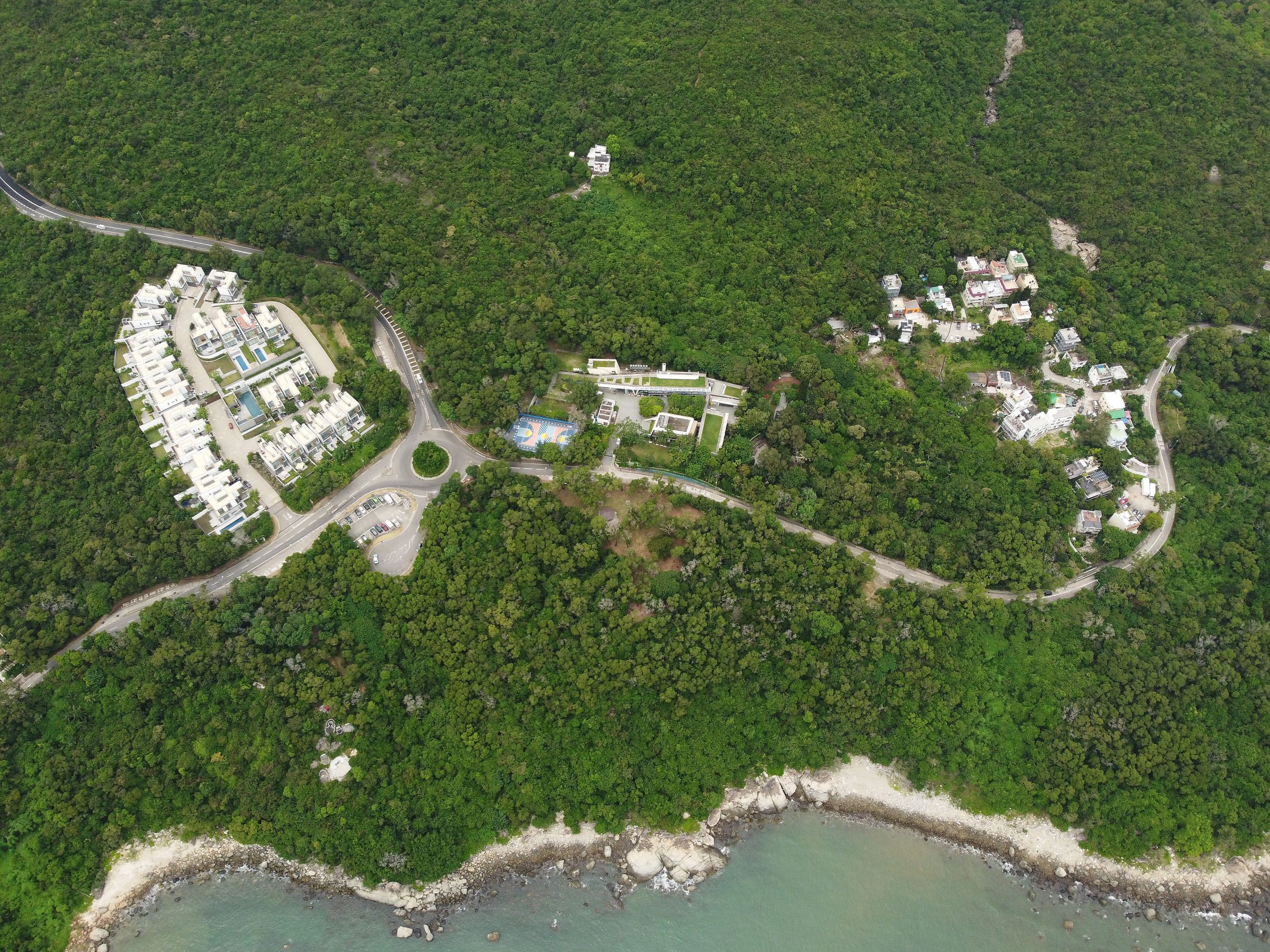
However, any development has the potential to affect the ecology. In recent years, the number of Chinese white dolphins in nearby waters has continued to decrease. The Agriculture, Fisheries and Conservation Department’s 2022-2023 Marine Mammal Monitoring Report even described Chinese white dolphins as “almost extinct in the entire waters of North Lantau.” It goes without saying that large-scale construction will have an impact on forests, flora and fauna, and the buffalo herds living on South Lantau, as well as the potential nuisance to residents caused by the increase in tourists.
But I think that conservation and development are not necessarily contradictory. The question is whether the balance is right. Smart planning starts with sufficient, systematic and timely updated data. For example, to understand how much the natural ecology may be affected by development projects, the prerequisite is to first inventory the species and number of wild and existing plant and animal species, and to master the information on the water quality of natural rivers and nearby waters, and then decide on the acceptable level of development and the carrying capacity of the region.
The first key is to establish a comprehensive South Lantau ecological database as soon as possible. Currently, the University of Hong Kong and the Agriculture, Fisheries and Conservation Department are preparing a database called the Biodiversity Geographic Information System (BGIS), which is scheduled to be completed this year. This database, which is based on the Geographic Information System (GIS) and stores Hong Kong’s biodiversity baseline data, integrates biodiversity information from different sources, and will be open to the public when completed.
In addition to extracting the South Lantau section of this database, the authorities also need to combine information from other departments, such as the Environmental Protection Department’s environmental assessment study, to understand whether the four main parameters of South Lantau water quality (i.e. dissolved oxygen, total inorganic nitrogen, non-ionized ammonia and E. coli) meet the standards. The next step is to win the support of the public, and improving information transparency and effective communication are crucial.
Therefore, the authorities should list the key information of the natural ecology of South Lantau on an interactive map dashboard and update it regularly. The graphical form makes it easier for the public to understand the situation before development. In fact, the scale of development in the northern metropolitan area is larger than that of South Lantau. The government should make good use of GIS and other tools that are conducive to communication to win the support of the public and reduce misunderstandings and disputes, so as to achieve a win-win situation for development and conservation.
More articles by Deng Shuming:
Support EJ Tech


If you want to submit articles, report information, issue press releases or interview notices,Click here to contact us.
//
[ad_2]
Source link

