

[ad_1]
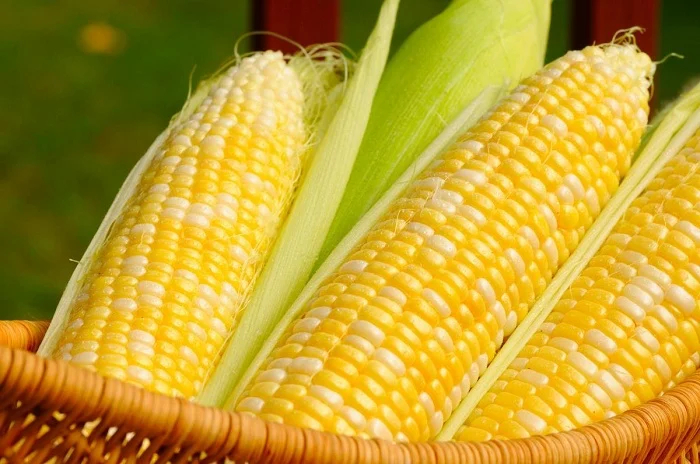
Corn is one of the most studied genetically modified crops
Although GM crops are not currently used in Rwanda, the research program on these crops has been going on for a long time since it started with crops including potatoes, maize and potatoes, and the research has reached an interesting level.
Most of the time, the DNA of plants is altered to increase yield, add vitamins, be more resistant to the sun, be more disease resistant, not be killed by heavy rain, not be sprayed with pesticides or reduce the use of pesticides, shorten flowering time, etc. Many problems that affect farmers need to be solved.
Dr. Athanase Nduwumuremyi, one of the researchers, said that while there are no genetically modified crops in Rwanda, there are some being researched.
He said, “It all depends on the law or the way the research is done, it has to follow known procedures. Today, the Biosystems Act has been passed and what is being done is to establish the relevant institutions, assuming you want to import or study genetically modified plants, you will use this level.”
He added: “Among the crops we study today, we have drought-resistant potatoes, you know drought is a problem, we have drought-tolerant maize, when the sun is high you know we need irrigation, we have drought tolerance, we have potatoes that are resistant to rain disease that needs treatment. The day the institute I mentioned is established, our research results will start to be published and delivered to farmers.”
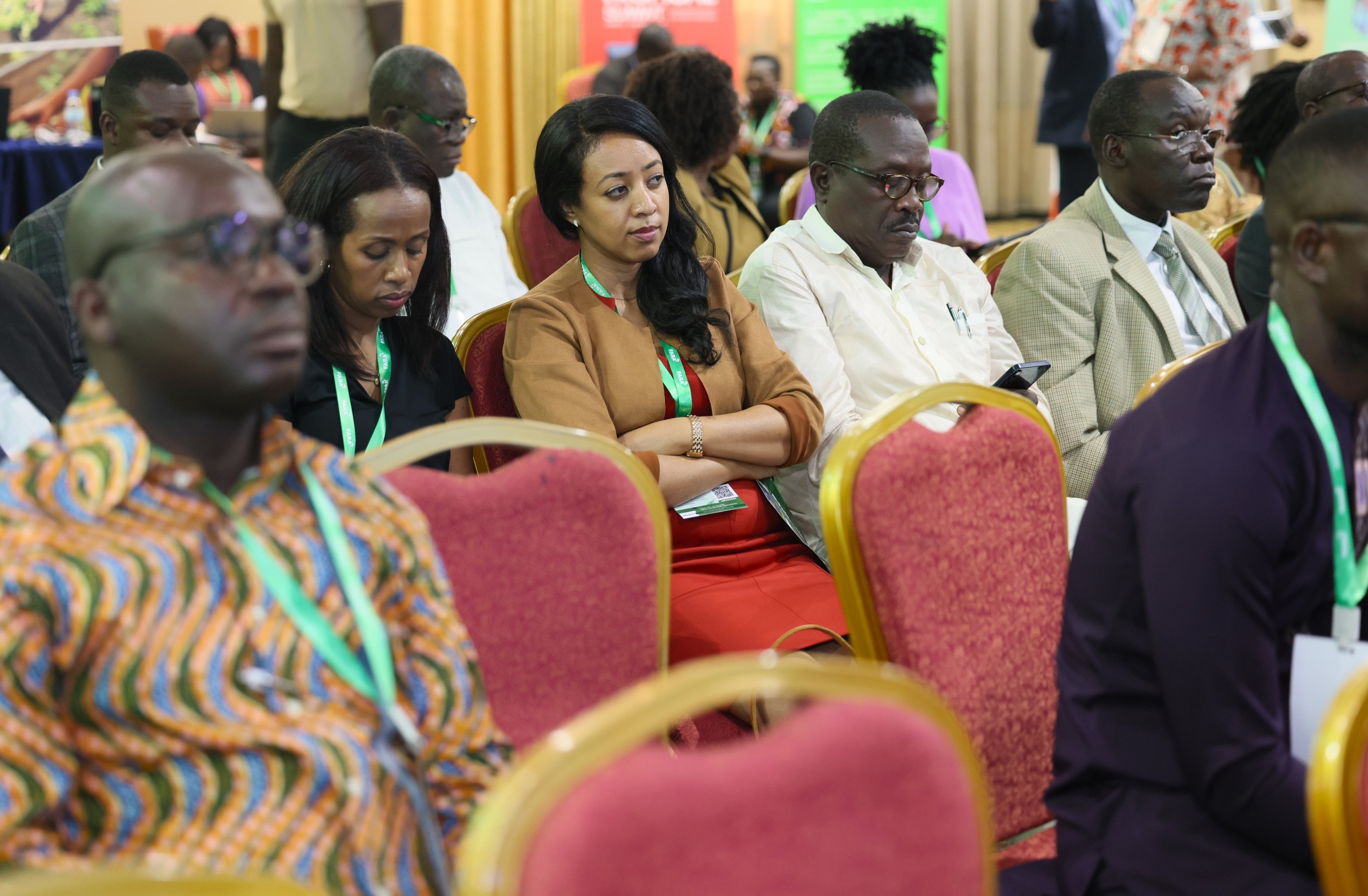
Agriculture experts believe that investment in research should be increased as it is important for the development of the sector and sustainable solutions should be sought for issues including climate change.
Agricultural experts who gathered in Kigali for a two-day conference to understand how to build the agricultural sector in a sustainable manner found that investment in research should be increased as it is important for developing the sector, they found that a stable agricultural sector should seek solutions to problems that threaten the planet, including climate change, as this would produce tangible results.
Dr. Aggrey Agumya, executive director of the African Association of Agricultural Researchers, said Rwanda’s progress was impressive.
He said: “As Rwanda you have made significant progress because we have been working with you since the inception of the RAB institute and what you have achieved is impressive but there are still many needs in the agricultural sector, Rwanda has made progress in terms of agricultural research but research alone is not enough.”
He added, “More is needed along the agricultural chain, but looking at research across the continent, investment is still low, capacity is still low, yes you are doing a lot, we just need to build that level in a sustainable way.”
Olivier Kamana, permanent secretary of the Ministry of Agriculture and Livestock (MINAGRI), said there should be collaboration, especially in the field of research.

Olivier Kamana, permanent secretary at the Ministry of Agriculture and Livestock, said there should be collaboration, especially in the field of research.
“Researchers should work together because sometimes we are starting to work on a problem and there is another study that has been done and they are already very far along in solving the problem, so when researchers like this get together and they exchange information, the research becomes more interesting and even faster,” he said.
The crops that have been domesticated and sold in markets around the world so far are mainly corn, wheat, cotton, papaya, rice, etc. This technology is also applicable to animals and other organisms, such as flowers, plants and trees. Popular countries using this technology include the United States, Brazil, China, South Africa, Egypt, Bangladesh, etc.
Although some people say that genetically modified plants can have an impact on people, researchers believe that the white color of these plants has no effect on human health because those who say that they can cause illness have no basis.
Statistics show that in 2023, the agricultural sector accounted for 27% of the country’s GDP and 34% of exports.
[ad_2]
Source link

