

[ad_1]
originalPublished in Hong Kong Economic Times Financial NewsEJ Tech Innovation Lab“
Strabismus is an eye disease that often occurs in children during their growth stage. In mild cases, it affects the appearance, and in severe cases, it can lead to amblyopia or loss of spatial perception.
Centre for Entrepreneurship and Research (CEAR), The Education University of Hong KongFocus Tech Lab, a start-up under the company, has developed a strabismus diagnostic instrument that combines artificial intelligence (AI). The machine’s diagnostic error is about 4 PD (pupillary distance), which is lower than the 8 PD to 10 PD of mainstream methods, and can save 86% of the detection cost.
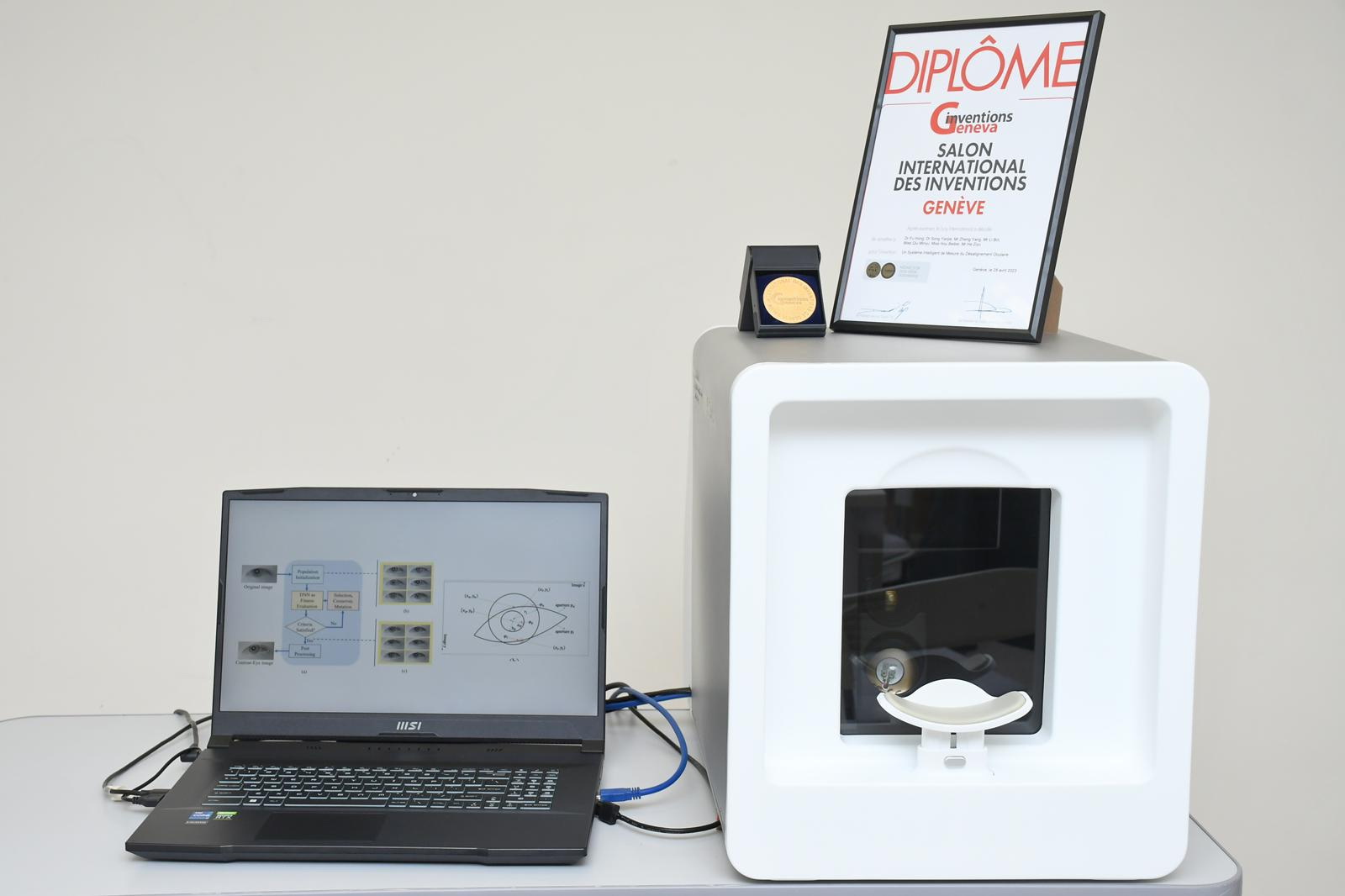
Wang Yanyue, Operations Director of Focus Tech Lab, explained that the team’s research and development results are the world’s first instrument for diagnosing strabismus that simulates the actual examination techniques of doctors. This AI strabismus diagnostic instrument is based on computer vision technology, using infrared lenses to capture and record eye movements, and then handing the collected data over to AI for processing.
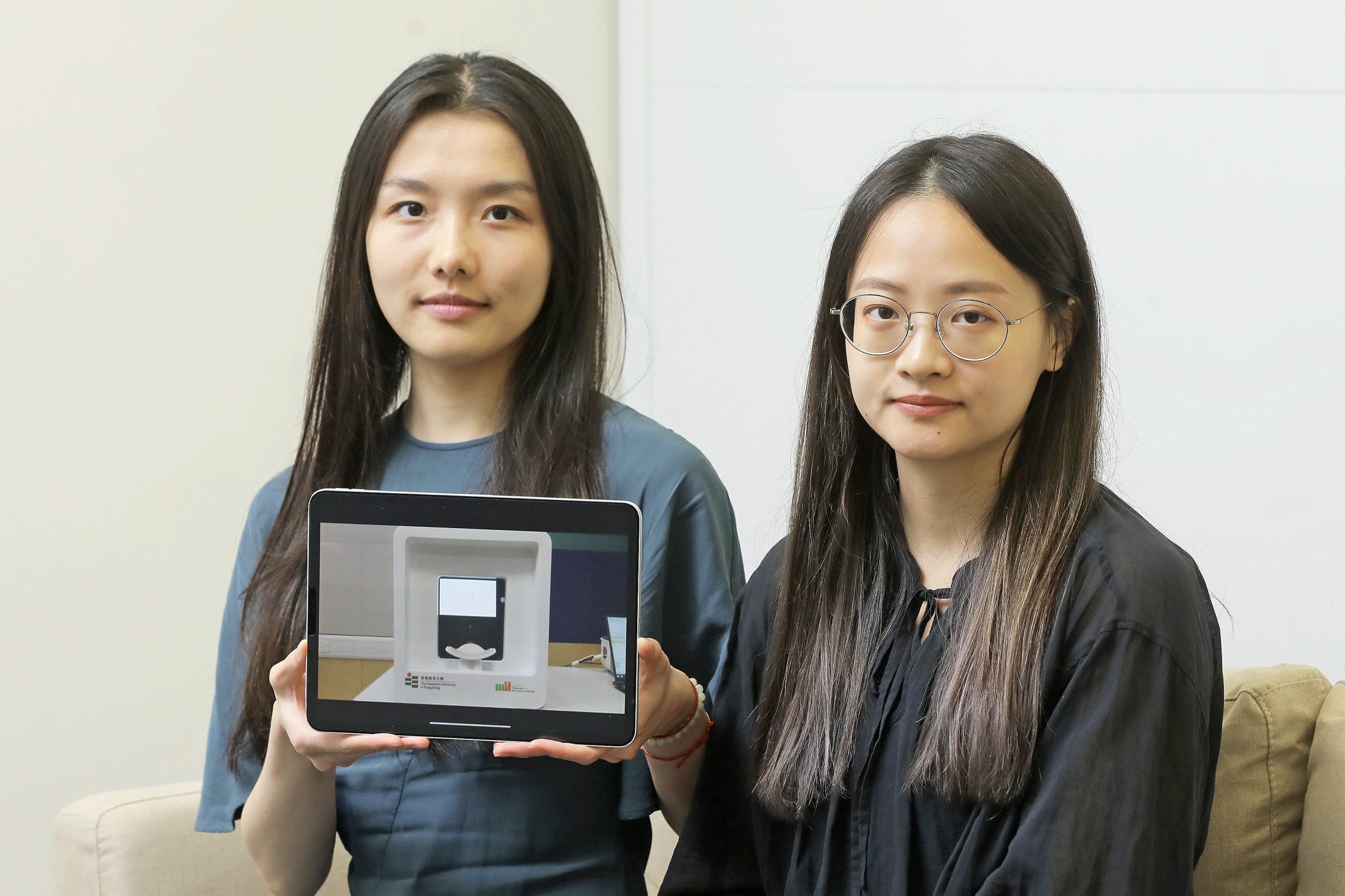
The algorithm analyzes the structure of the eyeball, detects and tracks the position of the eyeball, and thus accurately measures the degree of strabismus. The instrument also has a real distance test to examine the patient’s vision at three distances: near, medium, and far. Wang Yanyue pointed out that the technology used in the instrument is similar to facial recognition, but the accuracy requirements are higher.
With multiple patents, it is difficult to imitate
Wang Yanyue believes that the technical difficulty of strabismus diagnostic instrument lies in data modeling. “A person who is proficient in programming may be able to write (the strabismus instrument program) in a month. But it requires a lot of data training to make it a usable instrument.” In order to obtain more real data and continuously improve the algorithm, the team followed up withPolyU Optometry ClinicAfter that, data were collected from the Education University and three hospitals in Beijing.
Focus Tech Lab has obtained patents in Hong Kong, Mainland China and the United States. When asked if she was worried about plagiarism, Wang Yanyue said that it was difficult to imitate. The project took 10 years from concept to implementation. If you want to achieve the same effect, it will take at least 5 years. Wang Yanyue also said that there are similar products in the market. For example, an Israeli technology company launched a diagnostic instrument based on VR (virtual reality). The difference is that the other product has a larger error and does not have the ability to test real examples.
The next stage will be to study efficient treatment
With accurate diagnosis, the next stage is to study how to treat efficiently. Wang Yanyue introduced that the team has developed a set of related technologies, which are divided into two parts: eye muscle training and relaxation. However, personalized treatment has not yet been achieved, and it will take some time for this function to be launched on the market.
Wang Yanyue said that both she and the assistant professor of the Department of Mathematics and Information Technology at the Education University who led the researchRich RedWang Yanyue recalled that she gradually recovered by threading beads with a needle and thread. The team hopes to use similar methods to match the number and intensity of training according to the patient’s age, strabismus type, etc.
The team pays close attention to the needs of special groups. In addition to the strabismus diagnostic device, they also developed a multimodal intelligent handwriting assessment system “Smart Writing” that can be applied in the field of special education. The system consists of three parts: an eye tracker, a camera, and a handwriting tablet. It obtains indicators such as the tester’s posture, eye movement, pressure, writing speed and quality, and can assess whether the person has dyslexia.
In fact, Smart Writing has not yet obtained medical certification. At this stage, it is used as a reference for various universities. In addition to the Education University of Hong Kong, it has also been tried out by mainland academic institutions such as East China Normal University. She believes that many universities lack this type of all-in-one product, and the team’s research results just meet their needs.
Interview and article by: Zhou Yongtong
related articles:
Support EJ Tech


If you want to submit articles, report information, issue press releases or interview notices,Click here to contact us.
//
[ad_2]
Source link

