


[ad_1]
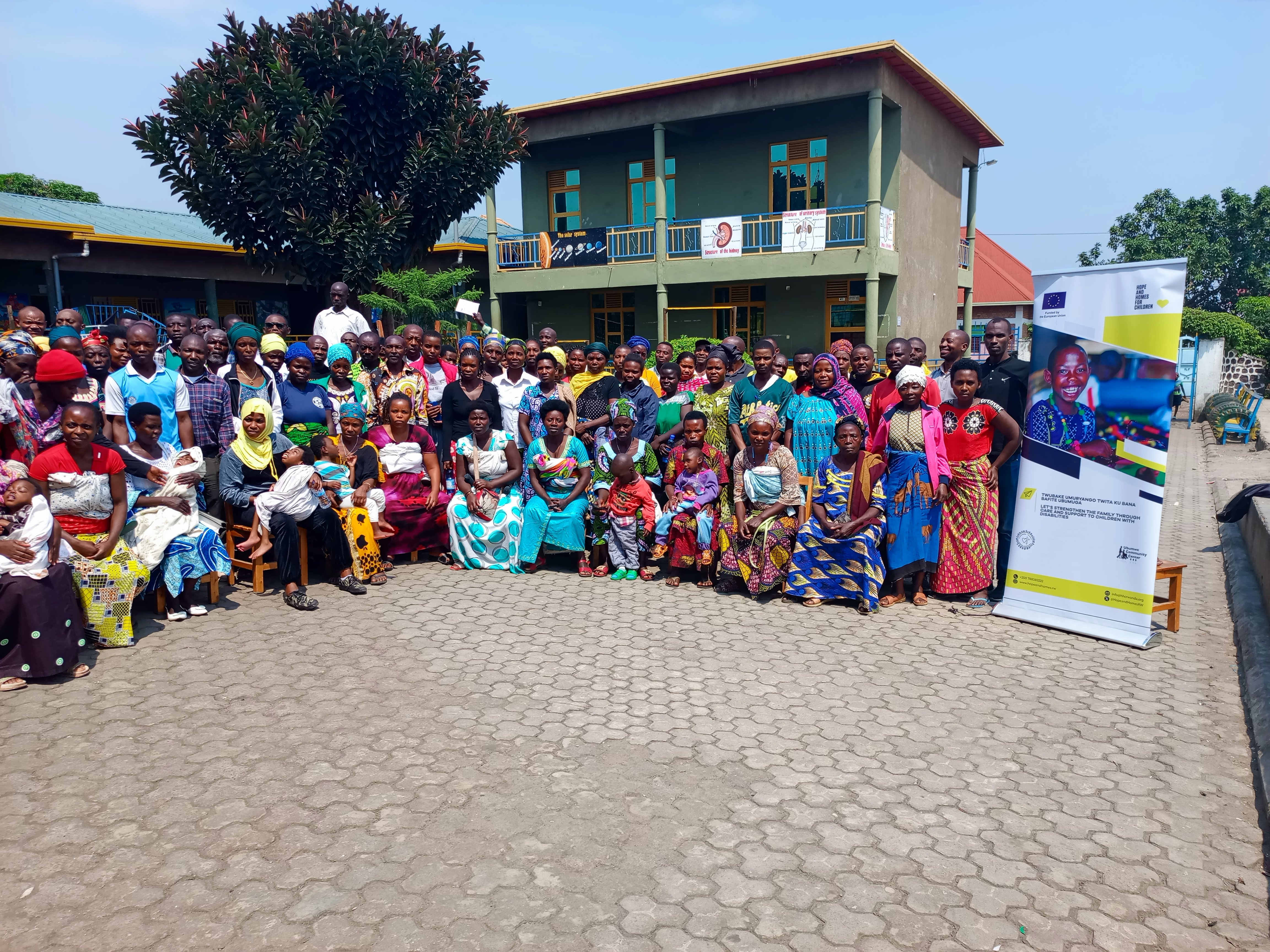
Parents of disabled children will be taught how to care for them
The management of Ubumuwe Community Centre is working with the House of Hope Foundation to educate parents in Rubavu District to change their attitudes and ways of dealing with children with disabilities.
Justin Nshimiyimana, director of the Ubunwe Community Centre, said children with disabilities in families do not fare well because parents do not accept their children’s disabilities.
He said: “Children are not having a good life because their families are in crisis due to disability and parents do not see that their children can be helped and have a good life in the future. What we do is teach them how to take care of these children, but later we will look at the equipment they need and take care of them according to the ability of the family so that you have the support and can take care of the child.”
Nshimiyimana said they want to show parents that children with disabilities are just like other children and can do something with help. In three years, they will help 48 families with children with disabilities to improve their knowledge and skills.
We will be lucky, says Vincent, an expert in helping parents of disabled children. There are some suggestions that can help parents help disabled children and be more productive.
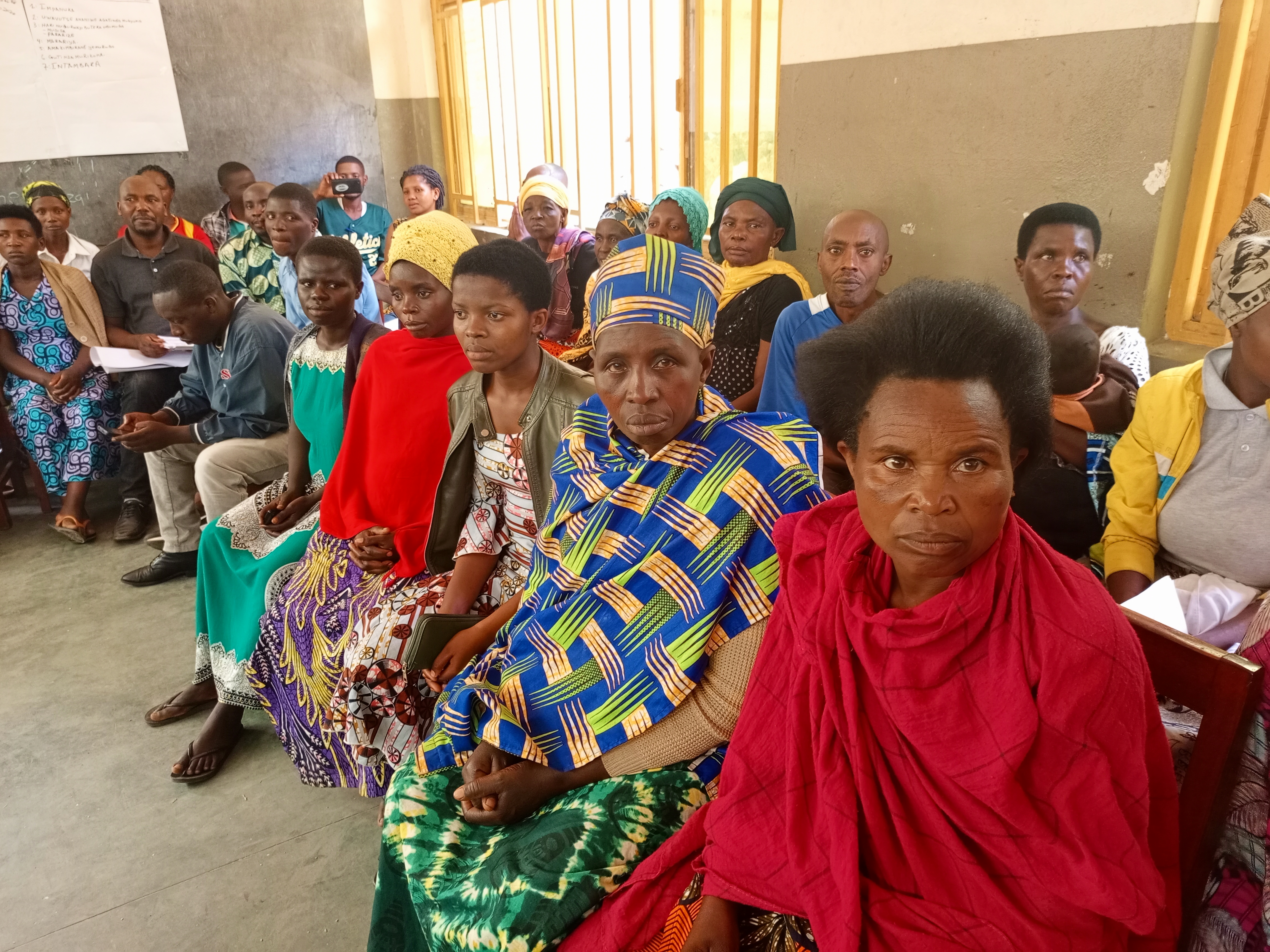
These parents will be educated and empowered
He said: “The first thing parents of disabled children should do is to show love to their children. The more love you give them, the more they will feel good about themselves. Keep them clean, give them a healthy diet, train them to do what they can do, whether it is walking or playing, talking, so that the child can show what he can do.”
Tuzahira said a disabled child needs someone close to him and he requested parents to stay close to the disabled child because when he is taken care of, he will be productive.
He said: “The way for parents to take care of a disabled child is to know how to recognize him, know what he needs, treat him and interact with him, and it requires the joint efforts of both parents to take good care of him.”
Habarugira Adrien, who lives in Cyanzarwe district, said their child required a lot of care, which made it necessary for the family to have someone to look after him.
He said: “Times are hard, but he is also our child, like now, in order to take care of him, he needs his mother to take care of him, to find a lifestyle, whether it is his mother going to be with him, it feels like a family with other children, we have not exhausted all our efforts to improve the family.”
Habarujila said he appreciated those who wanted to increase the knowledge of parents of children with disabilities because they build love and strength in the process of caring for their children, and asked them to get help and get equipment to help so that children with disabilities can have a better life. A better life.
Mukeshimana told Marie Claire magazine that her son has mixed disabilities, which requires her to clean him every time she is around him. She said life is difficult, but meeting other parents of children with disabilities makes her feel like she is not alone and that there are others with the same problems.
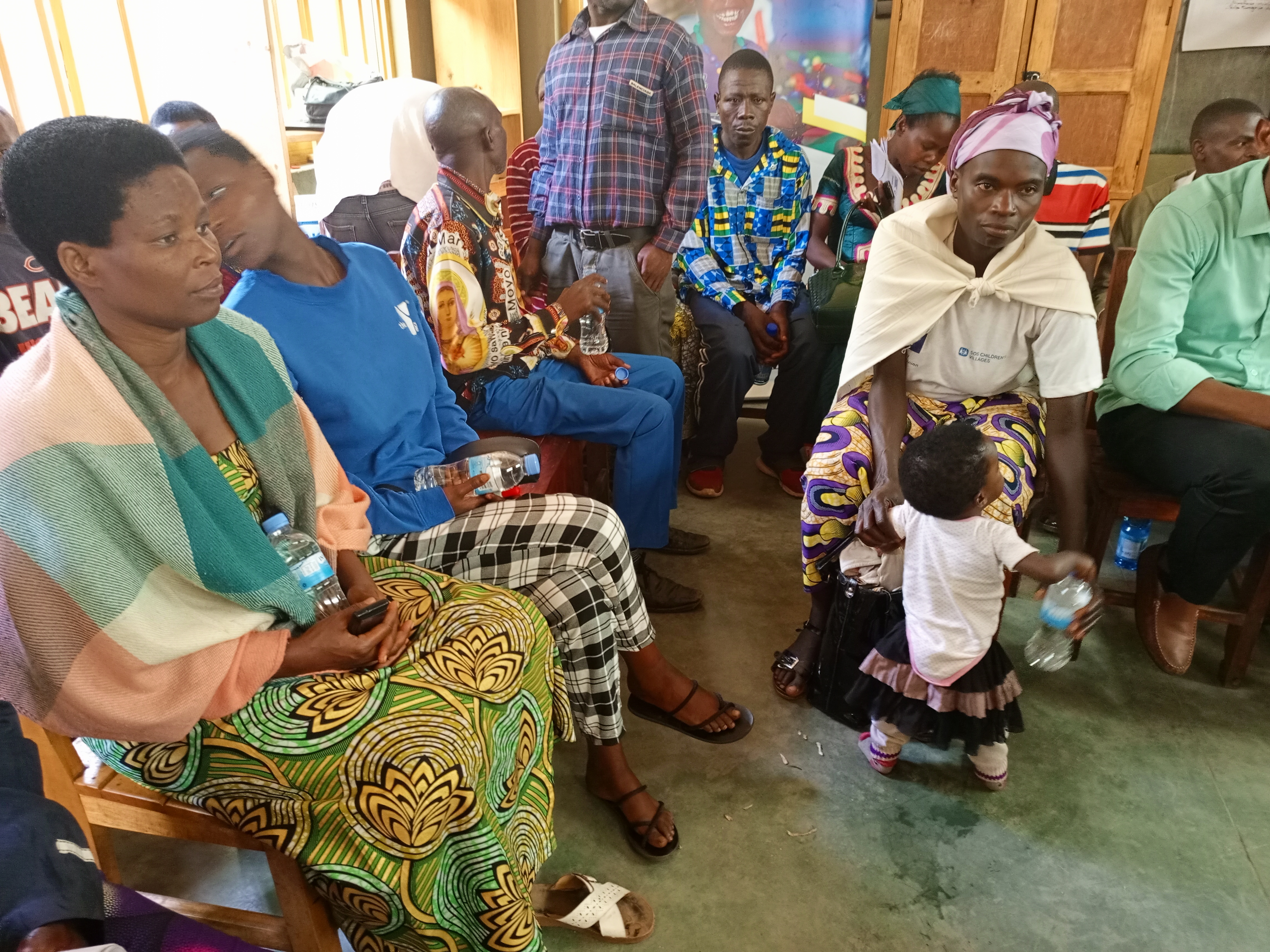
He said: “I stayed at home to take care of my child, but I saw there were other children with disabilities. I am glad that we were able to talk and we knew we should take care of them. I believe my child has changed.”
Mukeshimana said one of the things she needs to be able to take care of her children is to help run a business where she lives so she can continue to support her children without leaving her place.
Justin Nshimiyimana said over three years they will monitor 48 families of children with disabilities in Rubavu District and help them build capacity to bring about changes in the lives of the families and the lives of the children with disabilities.
The census conducted in 2022 showed that there were 391,775 people with disabilities in Rwanda, equivalent to 3.4% of Rwanda’s total population of 13.24 million.
Of these, 216,826 are females and 174,949 are males. The Eastern Province has the largest number of disabled people, at 109,405, while the Southern Province has 98,337.
There are 88,967 people with disabilities in the Western Province, 60,336 in the Northern Province and 34,730 in Kigali City.
[ad_2]
Source link

