


[ad_1]
As the epidemic situation stabilized, the cabinet relaxed some isolation measures, the hryvnia exchange rate rose by 18 kopeks, and the inflation rate rose to an annual rate of 9.5% – these were the main economic developments in the past week.
In the second week of summer, Ukrainians are pleased with some positive reports related to the coronavirus outbreak and quarantine. The number of daily cases remains relatively low, below 2,000.
Health Minister Viktor Liashko said the country’s COVID-19 incidence rate has fallen for the eighth consecutive week and hospital capacity has reached its lowest level this year.
“The number of daily hospitalizations continues to decline and has reached its lowest level in 2021. In addition to hospitalizations, the use of COVID resources in the healthcare system has also reached its lowest level in 2021. The occupancy rate of resuscitation beds is 29%, the occupancy rate of oxygen beds is 15%, and the occupancy rate of ventilator beds is 7%. The number of discharges is almost twice the number of new admissions,” the minister said.
According to him, the number of patients in the country’s COVID-19 hospitals has dropped by 30% over the past week. The Ministry of Health expects a similar situation next week and throughout the summer.
At present, the epidemic situation in various regions of Ukraine corresponds to the “green” level of epidemic threat.
Easing of quarantine restrictions
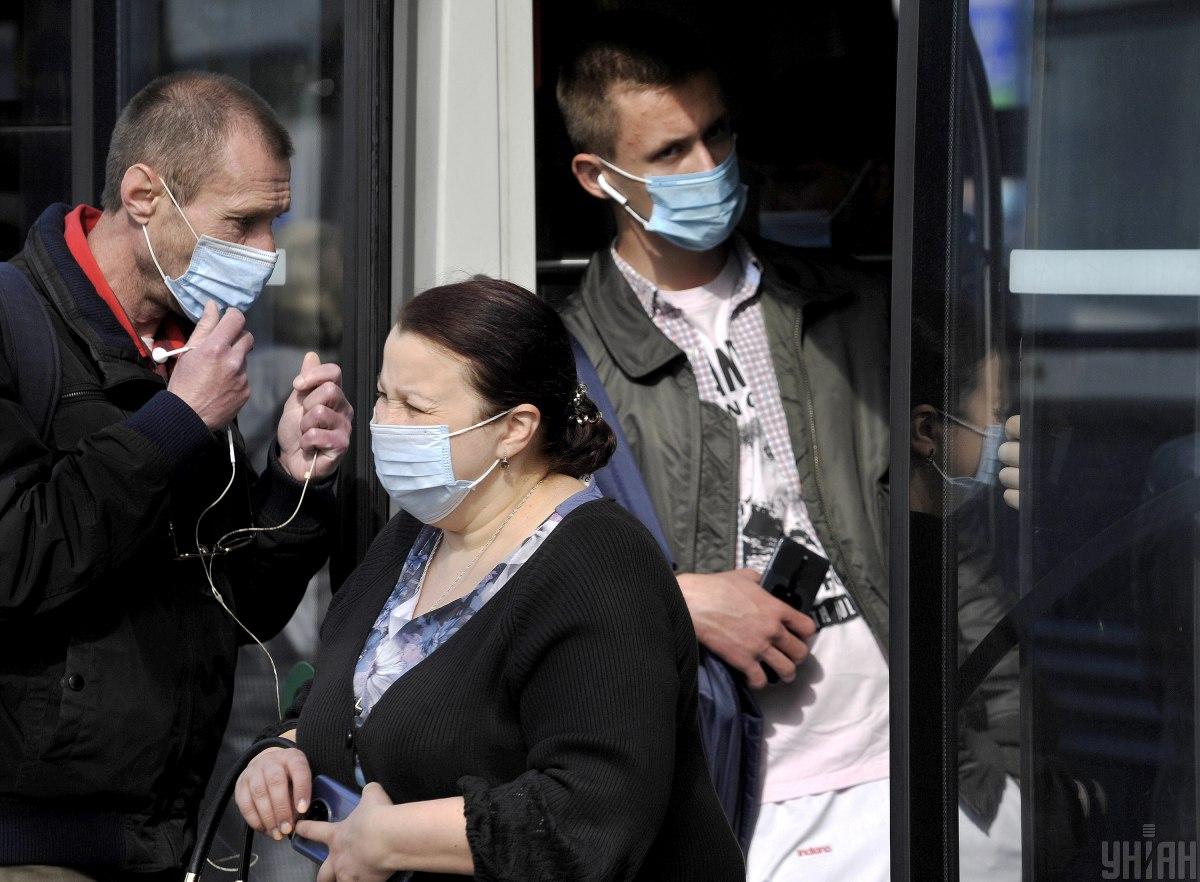
Image from UNIAN
Against this backdrop, the cabinet has continued to relax epidemic prevention restrictions.
In particular, the government relaxed regulations on large outdoor events, while noting that there would be no restrictions as long as all participants had a negative COVID-19 test result from 72 hours ago or provided documentation of completion of all vaccination procedures.
It is also now allowed to increase the maximum number of patrons in cinemas and other cultural institutions.
The government has also lifted a provision that prohibited cafes and restaurants from opening after midnight until 7 a.m.
Summer Isolation
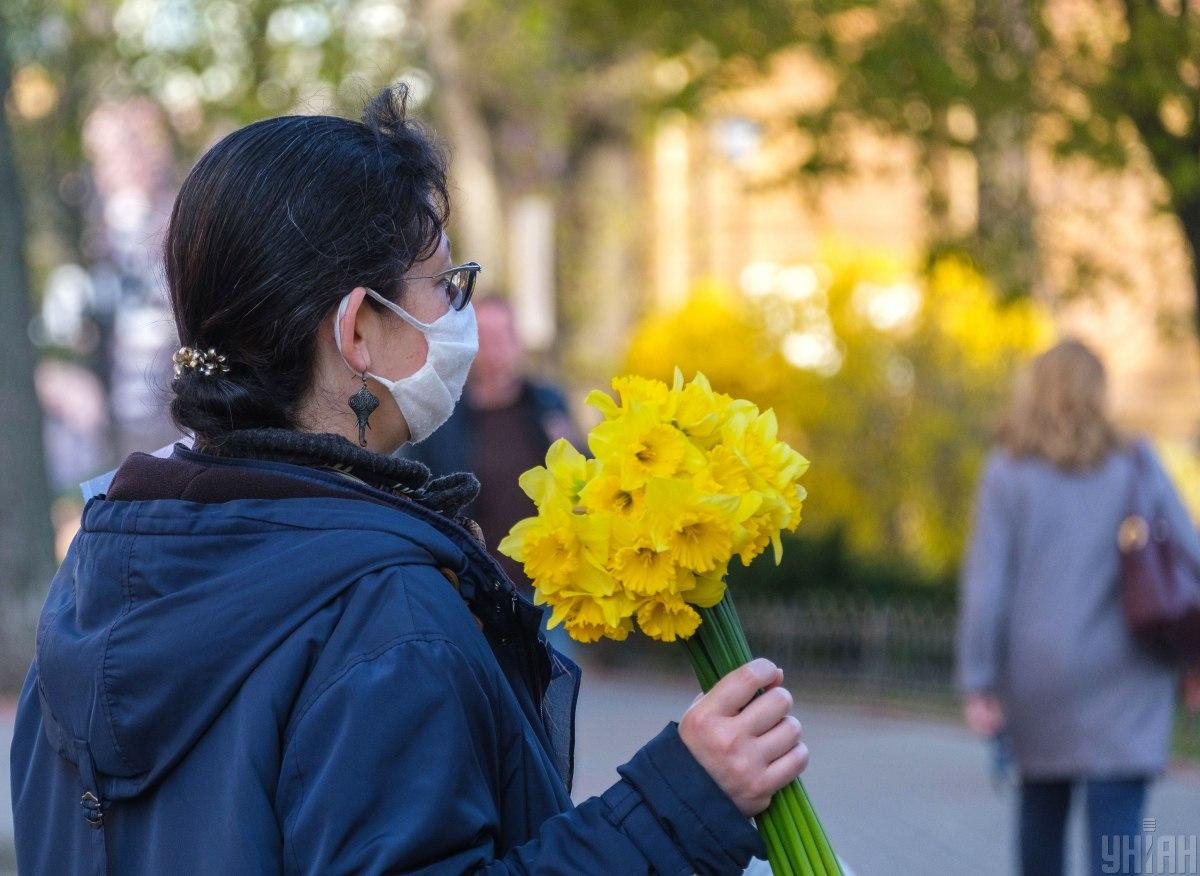
Image from UNIAN
Despite the positive developments in the COVID-19 epidemic, the Ministry of Health will ask the government to extend the existing quarantine period throughout the summer.
Viktor Liashko pointed out that the Ministry of Health has formulated a “green level” epidemic prevention and safety action plan, which will provide more opportunities for summer leisure, business, tourism, etc.
“Among other things, we plan to remove the cap on theatre occupancy, allow gyms to operate at full capacity and simplify border crossings for citizens returning from summer vacation. However, we will recommend that the government consider extending the summer quarantine period as the coronavirus is not yet under control,” the minister said.
At the same time, he stressed that the main epidemic prevention restrictions must continue to be implemented – wearing masks in public indoor places and on public transportation, maintaining social distance and observing hand hygiene rules.
Hopefully, this trend will continue and Ukraine, like the rest of the world, will return to normal and the national economy will once again function at full capacity.
Hryvnia strengthens
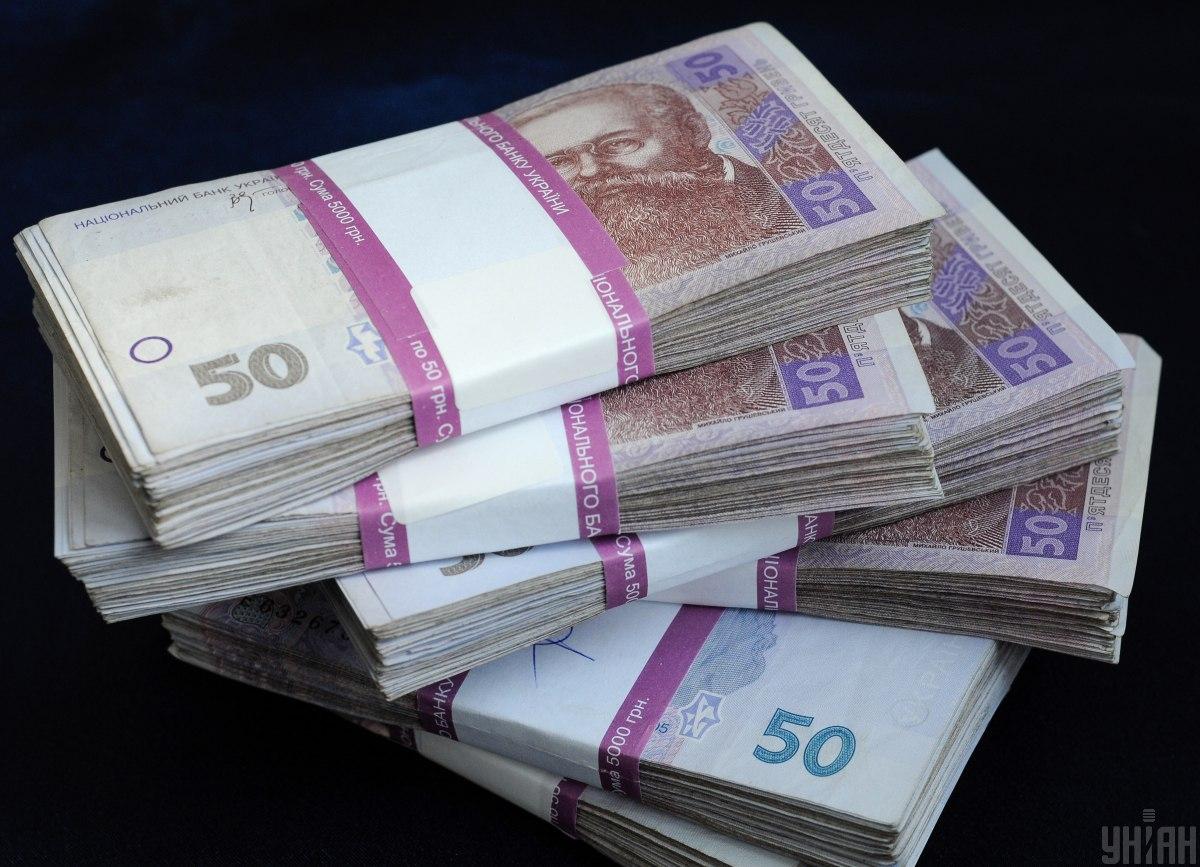
Image from UNIAN
The Ukrainian currency continued to strengthen last week. On Monday, the official exchange rate of the National Bank of Ukraine was 27.29 hryvnia per dollar, but by the weekend, the hryvnia was trading at 27.11 hryvnia per dollar.
In view of the strengthening of the national currency, the National Bank of Ukraine entered the foreign exchange market again after a three-month interval to redeem the remaining currency in its reserves.
Experts from the ICU Financial Group said that despite the intervention of regulators, the hryvnia exchange rate is likely to reach 27 hryvnia per dollar.
“The situation on the foreign exchange market is favorable for supply, so the hryvnia exchange rate has strengthened again, while the National Bank of Ukraine has resumed intervention, curbing the rise of the hryvnia exchange rate. In the future, despite the intervention measures of the National Bank of Ukraine, the hryvnia exchange rate may continue to rise to the level of 27 hryvnia to the dollar and eventually achieve this goal,” the expert said.
It is worth noting that the foreign exchange supply was clearly influenced by non-residents, who began to actively buy bonds denominated in Ukrainian hryvnia, while residents also sold the currency they received from the redemption of foreign currency government bonds last week.
“The general situation on the foreign exchange market continues to be favorable for the hryvnia exchange rate and could lead to further strengthening of the hryvnia exchange rate to 27 hryvnia/dollar. The National Bank of Ukraine can again buy foreign currency on the market, but most likely, the purchases will be in the amount of $20 million per day, which will only curb the strengthening of the hryvnia exchange rate,” ICU noted.
International reserves decline
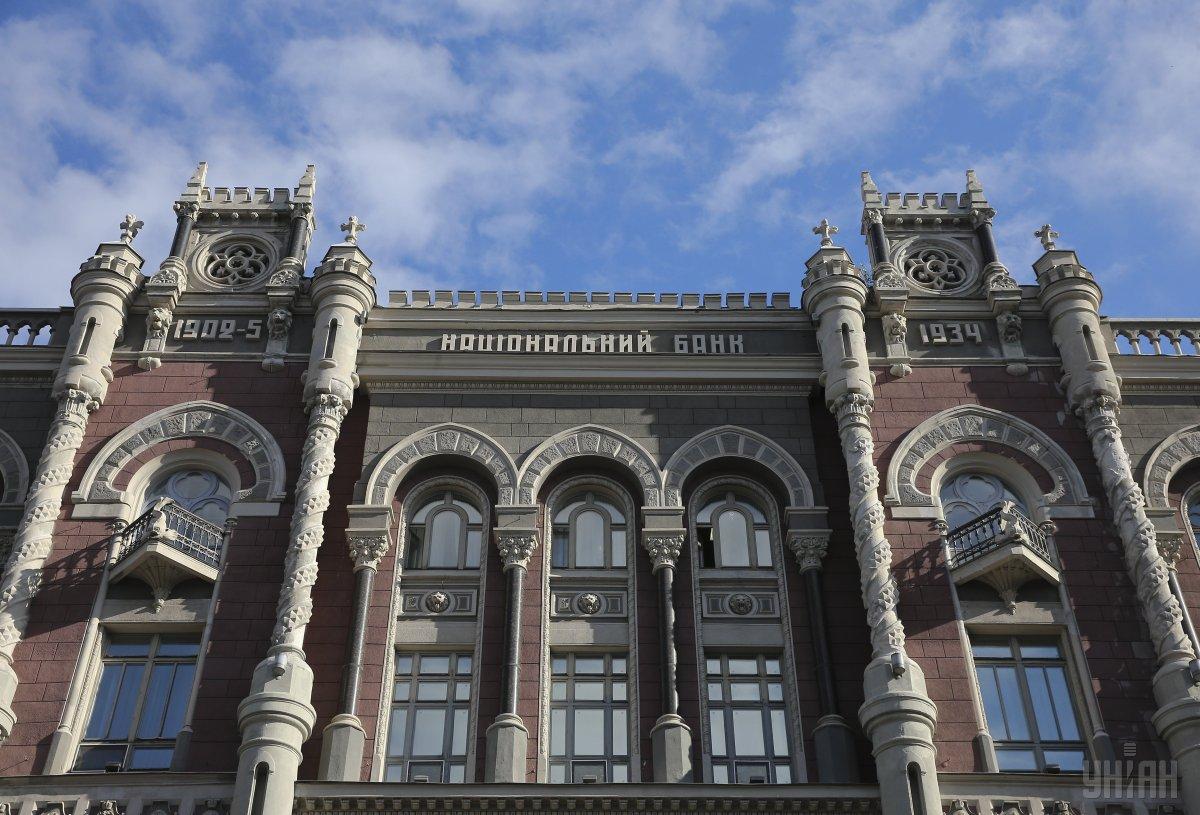
Image from UNIAN
Last week, the country’s central bank said foreign exchange reserves shrank slightly in May, falling 0.6% to $27.84 billion.
According to the regulator, the decline was due to the country’s spending on servicing domestic and foreign debts, which was partially offset by the government’s foreign exchange earnings.
“The current level of international reserves covers 4.2 months of imports for the next two years and is sufficient to meet Ukraine’s obligations and the current operations of the government and the National Bank,” the National Bank of Ukraine said.
Rising inflation
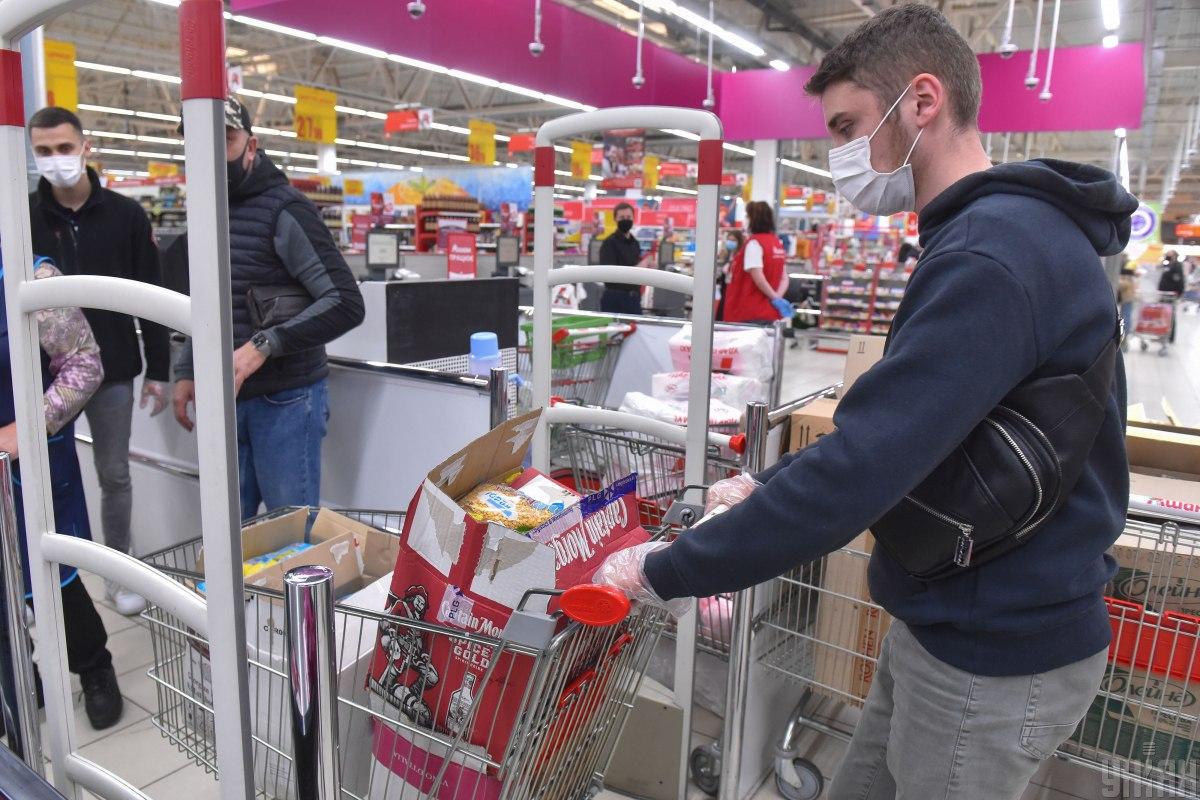
Image from UNIAN
The National Bureau of Statistics confirmed that consumer prices continued to rise. In May, the consumer inflation rate rose to 9.5% year-on-year, up from 8.4% in April.
Compared to April this year, prices rose 1.3%.
“In May, prices of food and non-alcoholic beverages rose by 9.9% year-on-year. The biggest increases were in sunflower oil, eggs, sugar and bread (75.2-13.4%). Meat, pasta, processed cereal products, butter and dairy products rose by 5.4-10.3%. At the same time, vegetable prices fell by 13.1% and fruit by 0.7%,” the National Statistics Office said.
It is worth noting that the prices of alcoholic and tobacco products rose by 9.3%.
The cost of housing, water, electricity, gas and other fuels has risen 35.3 per cent over the past 12 months, driven mainly by a 161.6 per cent increase in natural gas prices and a 36.6 per cent rise in electricity prices.
Transport prices rose 12.2%, mainly due to a 37.4% increase in fuel oil prices and a 12% increase in rail passenger traffic. Highway transport costs rose 7%.
Next week, the State Statistics Service of Ukraine will publish data on Ukraine’s population and foreign trade. The parliament will resume plenary session to consider a number of bills of vital importance to the country’s economy. In addition, although Ukrainians have become accustomed to rainfall this year, the weather in Ukraine will gradually approach summer temperature indicators. However, such weather gives reason to expect a good harvest and even record yields for some crops.
Katerina Day
[ad_2]
Source link

