

[ad_1]
July 13, 2024 at 10:51 AM
July 13, 2024 at 10:51 AM
Herpes zoster, commonly known as “shingles,” is a viral infection that causes great pain and leads to serious complications for patients.
The disease is caused by reactivation of the varicella zoster virus (VZV), the same virus that causes chickenpox. After primary varicella infection, the virus remains latent in the dorsal root sensory ganglia and can reactivate years later under certain conditions.
Griselda Vargas, director of the Unifranz medical degree at Franz Tamayo University, said reactivation of the varicella-zoster virus is associated with several risk factors, including immunosuppression, aging and stress.
“These factors weaken the immune system, allowing the virus to reactivate and cause inflammation of the peripheral nerves and skin along the affected nerve supply. This reactivation results in the characteristic rash and neuropathic pain associated with shingles,” the doctor says.
While the cause of chickenpox recurrences is unclear, not everyone who contracts chickenpox will develop shingles, according to the World Health Organization (WHO).
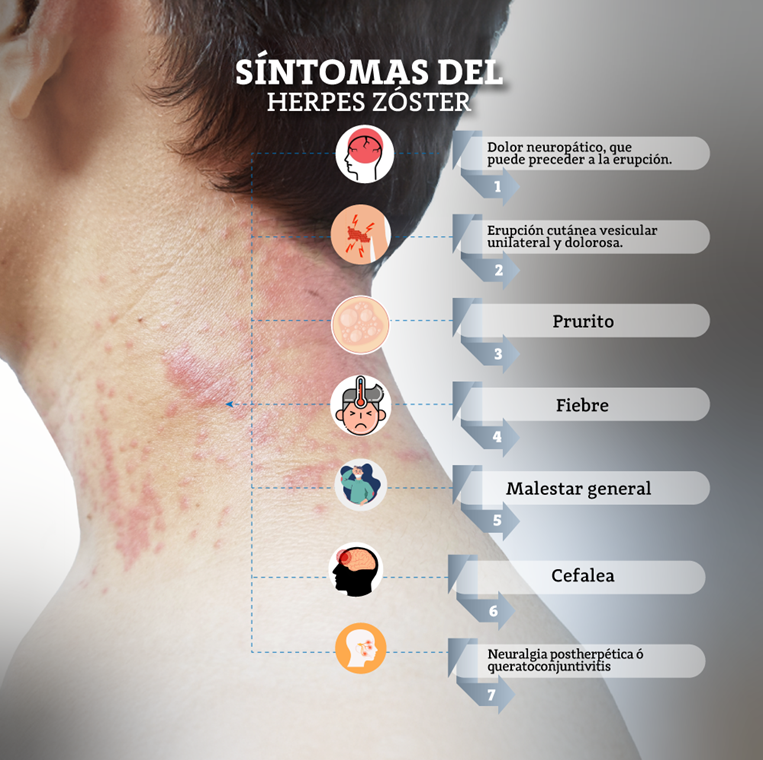
Symptoms and manifestations
Shingles can appear anywhere on the body, following the dermatomal distribution of the affected sensory nerves.
The most common sites are the chest and face. The rash develops along the path of peripheral nerves and begins as painful blisters that then develop into scabs. In addition to the pain and rash, patients may experience fever, malaise, burning, or itching in the affected area.
Vargas explained that the main symptoms of this viral illness include:
● Neuropathic pain may precede the rash.
● A painful blistering rash that is unilateral.
● Itching, fever, general malaise and headache.
● In severe cases, complications such as postherpetic neuralgia, keratoconjunctivitis, and visceral involvement may occur.
“The acute phase of the disease lasts about two to four weeks. In the case of postherpetic neuralgia, the pain can last longer, up to 90 days after the rash has subsided,” Vargas clarifies.
Although rarely fatal, shingles can lead to serious complications, especially in immunocompromised individuals.
Complications include secondary bacterial infections, encephalitis (inflammation of the brain), myelitis (inflammation of the spinal cord), and severe eye involvement that may lead to vision loss.
Proper early treatment is crucial to prevent these complications and relieve symptoms.
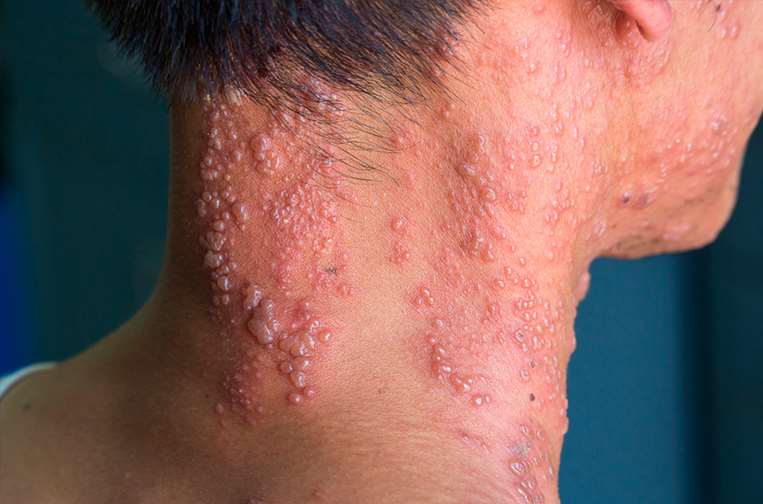
The most common sites are the chest and face.
Shingles treatment includes:
● Antiviral drugs (acyclovir, valacyclovir, famciclovir) are preferably administered within the first 72 hours after the onset of lesions to reduce the severity and duration of symptoms.
● Analgesics and anti-inflammatory drugs for pain control.
● Corticosteroids are used in some cases to reduce inflammation.
● Local measures to relieve itching and prevent secondary infection
Additionally, there are some home tips that can be applied to counteract its painful effects:
● Apply cool, wet compresses to the affected area to reduce pain and inflammation.
● Keep skin clean and dry.
● Use calamine lotion to relieve itching.
● Take a colloidal oatmeal bath to calm your skin.
● Wear loose-fitting cotton clothing to minimize skin irritation
Prevention and vaccination
Shingles can be prevented through vaccination. The shingles vaccine is strongly recommended for people over 50 and those with weakened immune systems.
Vaccination helps reduce the incidence and severity of diseases and their complications.
For Vargas, “vaccines help reduce the incidence and severity of the disease and its complications. “Consulting your doctor about vaccination can be an effective preventive measure.”
You can also boost your immune system at home by:
● Eat a balanced diet rich in fruits, vegetables and protein.
● Get regular physical exercise.
● Get enough rest and sleep.
● Reduce stress through relaxation techniques such as meditation and yoga.
● Avoid smoking and drinking.
Shingles is a viral disease that can cause severe pain and lead to serious complications, but with proper prevention and prompt medical management, its effects can be managed and the quality of life of those affected can be improved.
[ad_2]
Source link

