


[ad_1]
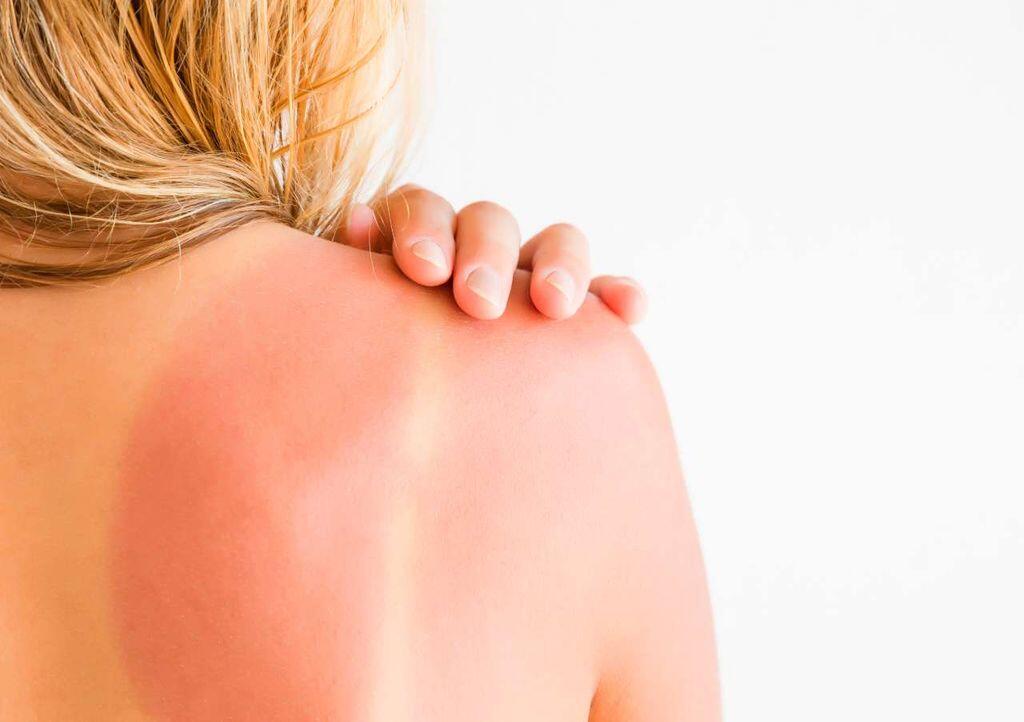
The most common heat burn in summer is sunburn. Sunburn is skin damage caused by overexposure to the sun’s ultraviolet (UV) rays. Children’s skin is thinner and more sensitive than adults’, so they are more susceptible to sunburn. Niso Odinaeva, chief pediatrician of the Moscow region and director of the Children’s Institute, reportedly tells what to know about sunburn and how to protect your skin from it in summer Japanese. Az refer to mosreg.ru.
Burns can range in severity from mild redness to severe damage with blisters and intense pain. The main symptom of a sunburn is redness of the affected area. The skin becomes sore and sensitive to the touch, and swelling may occur. In severe cases, fluid-filled blisters may develop. Severe burns may be accompanied by fever, chills, headache, and weakness.
“If you notice that your child is sunburned, you should immediately move him to a cool place or shade, apply cold compresses to the affected area and cool the skin several times for 10 minutes each time on the first day. If the pain is severe and if the temperature rises, you can give him antipyretics,” said Niso Odinaeva.
The doctor added that the child must drink plenty of water – this will help avoid dehydration.
“Once the acute pain subsides, apply a moisturizing cream, gel or lotion, preferably containing aloe vera, to the affected skin area to reduce inflammation and pain. Avoid products containing alcohol and hormones. Dress your child in loose, lightweight clothing to avoid irritation of the burned skin, and if blisters appear, do not puncture them to avoid infection,” advises the pediatrician.
If your child’s skin is severely burned and he or she becomes moody and lethargic, you should see a doctor right away.
The doctor also adds that it is better to go to the beach in the morning (before 12:00) or in the evening (after 17:00), and if this is not possible, then it is necessary to use a sunscreen with an SPF rating of at least 30, even in the shade, and renew it every two hours and after each bath, even if the product is waterproof. Sunscreen should also be applied 15-20 minutes before going out. Always wear sunglasses, a hat, and wear loose clothing that covers the arms and legs (long sleeves and legs) or clothes with UV protection. Sunbathing on the beach should only be done under a parasol, not in the open sun. Remember that being in the water increases the impact of the rays on the skin, so you should also take care to protect your skin before swimming.
[ad_2]
Source link
