

[ad_1]
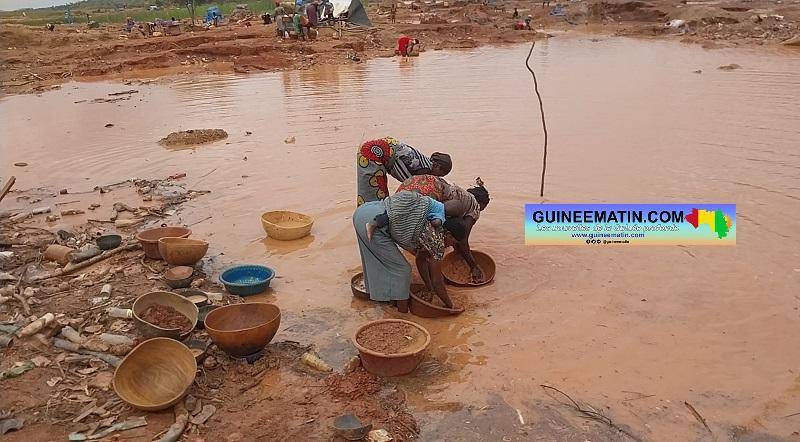
The Guinean government has suspended artisanal gold and diamond mining throughout the country. The decision, made by the transitional authorities through 3 ministerial departments, came into effect on Monday, July 1, 2024. The measure was not well received by the women that Guineematin.com special correspondent met in Kintinian, in the Siguiri prefecture.
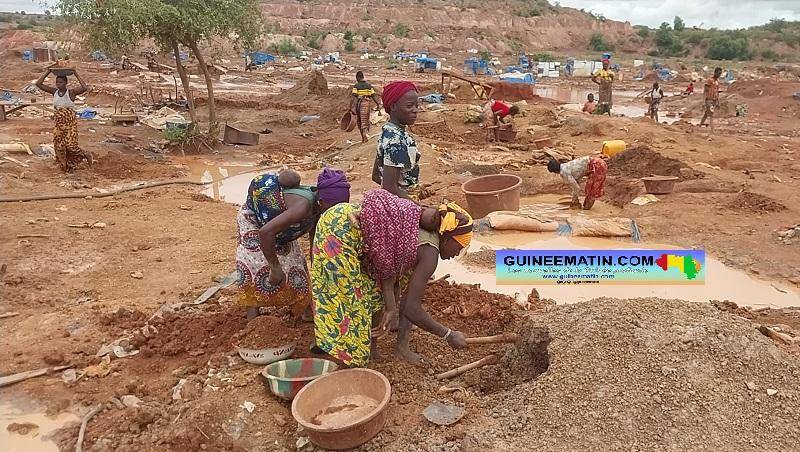
To justify the measure, the signatories cited current agricultural activities, ecological restoration and the risk of winter landslides.
The suspension of artisanal gold mining has raised many questions among the women we met at a gold mine in Kintinian district. They expressed regret over the measure before making a proposal to the transitional government.
“The president must have pity on us because many women have come from far away to come here. We are in debt everywhere. We are very concerned after this decision came into effect. We have many children but we have no food and our dealers are waiting for money at the end of the month. The authorities just need to help us so that we have food and a way to get home. We are really very worried and the president (during the transition) just needs to think of us,” said Ramata Cisse.
Sadan Sanoh from Dabola Regency (Falana District) has expressed condolences over the consequences of the government’s move.
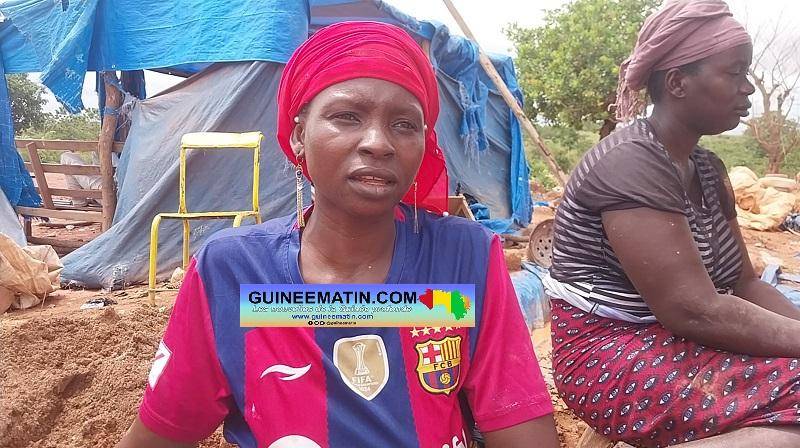
“We left Uradha (in Dabola county) to search for gold. Today we were told to stop activities related to gold mining which will have a big impact on us. We came to get the price of herbicides to go to the fields, but it has not won and the measures have come into effect. Because I have many children, I have no means of transportation to go home. To get there, we have to pay at least 500,000 Guinean francs, not including food along the way. It is in the mines that we get the money we need for the fields. We beg the government to let us work. The money we earn during the day is what we eat at night,” he said.
M’Bamagan Keïta, with a sly look on his face, wonders “how to live” without gold panning.
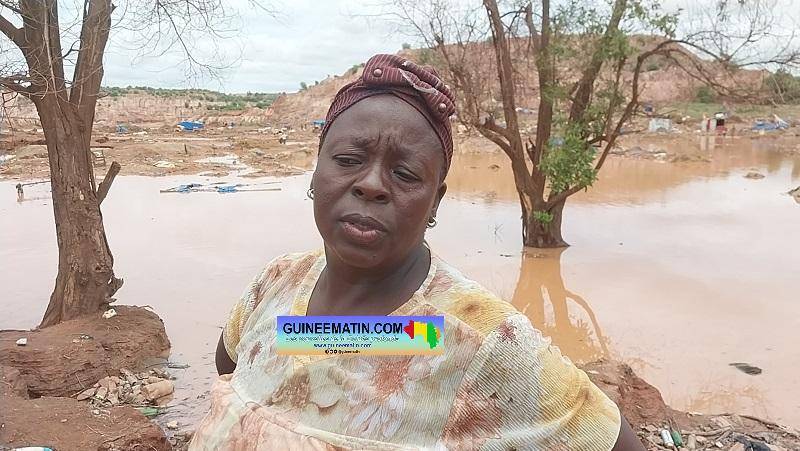
“This decision has left us in an unspeakable disappointment. Artisanal gold mining is all we know. We saw our parents there and we grew up there. It is in the gold mines that we fight for our children’s school fees. Here, the children’s school fees and clothes are paid for by women. We don’t know how to live if the government suspends artisanal gold mining. This is exhausting for us. We urge the government to review this decision or else women will suffer greatly. We have suffered a lot,” she said.
Likewise, Aïcha Condé implored the government to end this suspension.
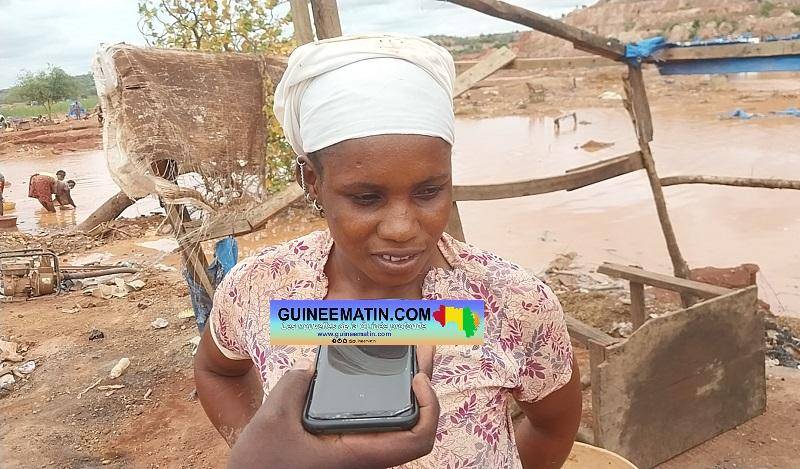
“This measure hurts us a lot. The Tabaski party just passed and if we stop them from working again, we are really tired. Before coming to the jungle here, I prepared some rice for the children for breakfast. I haven’t eaten anything since morning. We asked the president to let our husbands work because there are so many children. I myself have twins at home,” she explained.
Mahawa Sanoh, a Banankoro citizen, championed the cause of the gold miners.
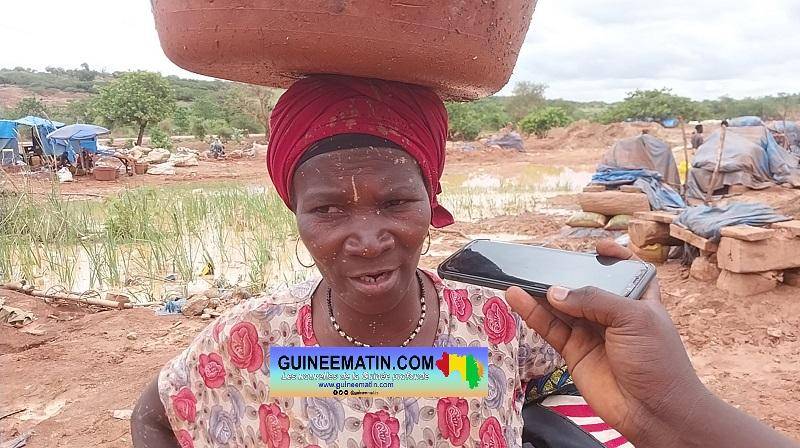
“We cannot work in the mines without people. If the government tells us to work without people, we will be tired. The suffering we endure today, only God knows. Our children are studying, there are pregnant women, women and men are poor. We ask the authorities to let these people work. I am from Banankoro, but transportation is expensive,” she said.
By Kintinian (Siguiri), Kaïn Naboun TRAORÉ Guineematin.com
[ad_2]
Source link

