


[ad_1]
In this world, every call could be a cherished memory, an important interview, or an upcoming podcast, and your Android device could be your producer. However, when it comes to recording a call, it might not cooperate as you expect.
For some lucky users, call recording is just a tap away, but even then, functionality varies depending on factors like your carrier, the type of Android device you own, and your geographic location.
If you don’t understand why your phone won’t record calls, we have some simple solutions. Let’s explore five quick and easy ways to record calls on Android.
Before recording a call on your Android device, consider the privacy and legal details
Did you know that recording a phone call without someone’s permission can be a violation of their privacy and could even be illegal? So before we go into detail on how to record a phone call on Android, let’s talk about the legality of recording a phone call and what you need to know before you hit that record button.
Tech companies take privacy very seriously, which is why some phones don’t let you record calls by default. It’s also why most call recording apps play a message when they record a call.
Since we are not lawyers, we will not discuss the details here. We simply encourage you to check your local laws and comply with them.
In the United States, for example, most places follow a simple rule: If one party on the call knows and consents to the recording, then it’s fine. But some states require everyone on the call to formally consent to the recording.
So be sure to record responsibly to respect everyone’s rights and to avoid getting into legal trouble.
5 Ways to Record Calls on Android
1. Enable call recording on your device
In the best case scenario, your Android device can record calls natively — but not everyone can do this due to privacy restrictions. For example, the phone we used for this article only allows automatic recording of unknown numbers. And Google Pixel phones don’t support native call recording at all.
To check your phone’s compatibility and turn on call recording, follow these steps:
- Go to Settings in the Phone app.
- Click Call Log, then toggle your preferences.
- Agree to any legal alerts you may see.
If you can turn on automatic call recording, keep in mind that all recordings will be stored on your phone, which can quickly eat up your memory. It can also leave you with a lot of unnecessary call logs to sort through.
If you can’t record calls automatically, you can still record individual calls. It’s a very simple process – you just have to remember to tap ‘record’ when you’re ready to start recording a call. To do this, you’ll find a ‘record’ button on your phone’s call screen, or hidden under the three-dot menu during a call; just tap this button during a call to start recording the conversation.
2. Download a call recording app
If your Android phone doesn’t support call recording out of the box, don’t worry because there are plenty of other ways.
The next best option is to download a call recording app from the Google Play Store — that is, if you can find one. Again, we’re dealing with privacy regulations, and Google’s policy changes in recent years have made it more difficult to find call recording apps in its store.
In 2022, Google introduced policy changes that restricted developer access to Android accessibility settings. This prevented many third-party apps from recording calls. Those that were still on the Google Play Store had to find workarounds, so you may need to “allow restricted access” in settings, which is a privacy issue for some people.
However, if you’re looking for a general call recording app, here are some trustworthy apps: Call Recorder – Cube ACR, Call Recorder by Lucky Mobile Apps and Automatic Call Recorder ProBasically, these apps allow you to record cellular calls and calls from Voice over Internet Protocol services like Skype and Messenger. Cube ACR also features privacy protection, geotagging, and cloud backup.
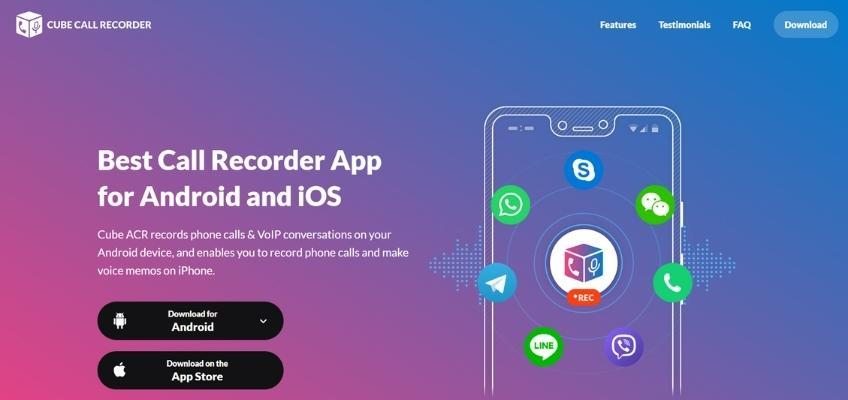
Most call recording apps are free to use, but they rely on ads and in-app purchases to make money.
Since these apps record your voice and access phone functions, you need to pay close attention to their privacy policies and local regulations.
If none of these apps meet your needs, you can still use some other methods to record phone calls.
3. Use a separate device
If you don’t have access to any of the above methods, or you just want a simple recording trick, you can always use a separate device to record the conversation. It may not be the most elegant method, but it works, and most of the time, the call recording quality is pretty good. It’s also probably the most discreet way to record a call.
Recording calls using a standalone device is simple. You simply put your Android call on speaker, then use a backup recorder (such as another phone or tablet) to capture the sound from the speaker.
On the bright side, you don’t have to listen to annoying recorded call messages. This means you will need to obtain the other party’s consent and disclose the recordings as required by the law in your area. Some other difficulties with this method may include speaker feedback, distortion, or other quality issues.
If you decide to opt for manual call recording, here are some tips for capturing clear audio:
- Choose a quiet environment to reduce background noise.
- Use high-quality auxiliary equipment for better recording results.
- Test your setup over an unimportant phone call to make sure everything works as expected.
It’s best to only use this method in emergencies and when you have no other options. We also recommend using this method only for one-off calls, as the chances of getting a low-quality recording are higher.
4. Use Google Voice
Google Voice is a built-in feature of Android devices that provides call recording directly from the phone app. However, while it is a convenient option, Google Voice also has some limitations.
First, your Google account type determines what you can do. On a personal account, you can only record incoming calls, not outgoing ones. This means this method won’t work for any calls you initiate. You also can’t automatically record the conversation and could miss important parts of the call.
Workspace users have more recording options, but you’ll also need a separate Google Voice license, and even then, recording capabilities vary by plan. For example, some plans don’t support automatic call recording. You can find out which features are supported on your plan by logging into Admin Settings or asking your Workspace admin.
To enable call recording on a personal Google Account, follow these instructions:
- On your Android device, open the Voice app.
- At the top left corner of the screen, tap the three-dot menu and select Settings.
- Under “Call options,” enable call recording.
- Select Record Calls to turn this feature on.
- If you need to record manually, tap 4 on the dial pad during a call to start and stop recording.
If your administrator enables this option, you can also click Record during a call in your Workspace account.
In short, Google Voice is convenient in certain situations, but it’s not the best choice for personal users or those who need more powerful features. If you’re looking for a full-featured call recorder, we recommend checking out business VoIP systems.
5. Use VoIP service
A dedicated VoIP service is the best way to record business calls; this way, you can capture both incoming and outgoing calls. And, depending on your provider and plan, you may be able to access features like automatic call recording, caller ID, chat, video, and rich contact analytics.
look: 10 VoIP Features That Can Benefit Your Small Business
Popular Internet VoIP apps like Skype, Zoom, and Teams have some of these features, but the following software offers more Nextiva or RingCentralare two of the best VoIP services for businesses. Even so, only some plans offer advanced call recording features.

Be sure to understand the service’s features and associated costs to ensure it meets your needs. Then, review the provider’s instructions for setting up call recording.
In what cases can Android not record phone calls?
Let’s explore some of the situations where you can’t record calls on your Android device, as well as the legal aspects of call recording that may limit your options.
Here are some situations where call recording may not work properly:
- Your phone does not support: Some Android devices don’t allow you to record audio out of the box. You may also encounter obstacles depending on your location or mobile carrier.
- Google’s policy changes: If Google updates its app store policies and privacy settings, recording calls with third-party apps may become more difficult or even impossible again. Privacy changes may also affect Google Voice settings in the future.
- VoIP Service Limitations: Your VoIP call recording capabilities are subject to the available features and plans of your service provider and any limitations set by your manager. In addition, network outages or unstable connections may result in poor recording quality and risk of dropped calls.
- Legal and Privacy Restrictions: Laws regarding recording phone calls vary from place to place, and recording, especially without consent, can violate privacy rights. Make sure you have legal permission to record to respect others and comply with the law.
All in all, recording calls on your Android phone is pretty simple, but you may want to do a little homework first. Read the terms and conditions of any third-party apps you use, and make sure you understand the privacy laws in your area.
Then, choose a method from this post and you can start recording calls.
[ad_2]
Source link

